





Post On Sunday Newspaper
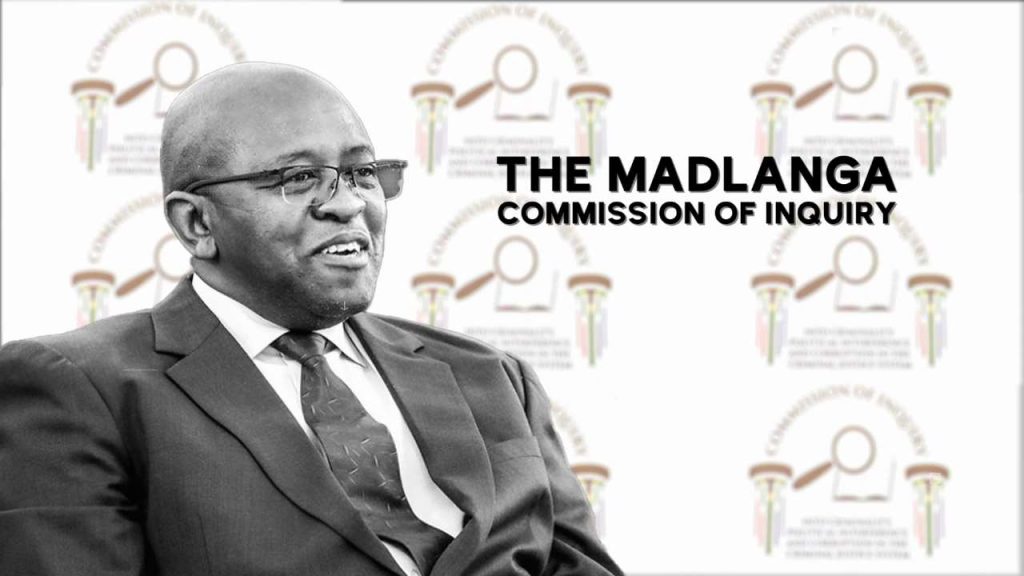
Across Southern Africa, the unfolding drama at the Madlanga Commission of Inquiry in South Africa has captured intense public attention and sparked both celebration and unease. For many in the region, South Africa’s confrontation with entrenched networks of corruption, organised crime, and state capture is not merely a domestic matter, it is a cautionary tale with striking parallels for neighbours like Zimbabwe, where decades-long political dominance by liberation parties has fostered similar vulnerabilities.
In Zimbabwe, this year’s spike in cross-border smuggling, including weapons and illicit goods, rising violent crime and increasing reports of former and serving members of the police and military implicated in criminal activity, underscores the urgency of strengthening governance and law enforcement systems. Observers have warned that crime does not respect borders, and the deterioration of state institutions in one country can have destabilising spill-over effects in the region.
At the centre of South Africa’s reckoning is the Madlanga Commission, which has exposed shocking layers of collusion and compromise within state institutions. The inquiry, established to investigate state capture, corruption and maladministration, this week revealed grotesque allegations involving senior officers of the South African Police Service (SAPS) and suspected crime boss Vusimuzi “Cat” Matlala. Commissioners heard that Brigadier Rachel Matjeng, head of quality management in the SAPS Forensic Services Division, and suspended Deputy National Commissioner Lieutenant-General Shadrack Sibiya were allegedly drawn into Matlala’s orbit, benefiting from gifts and influence while their conduct intersected with official police contracts and procurement.
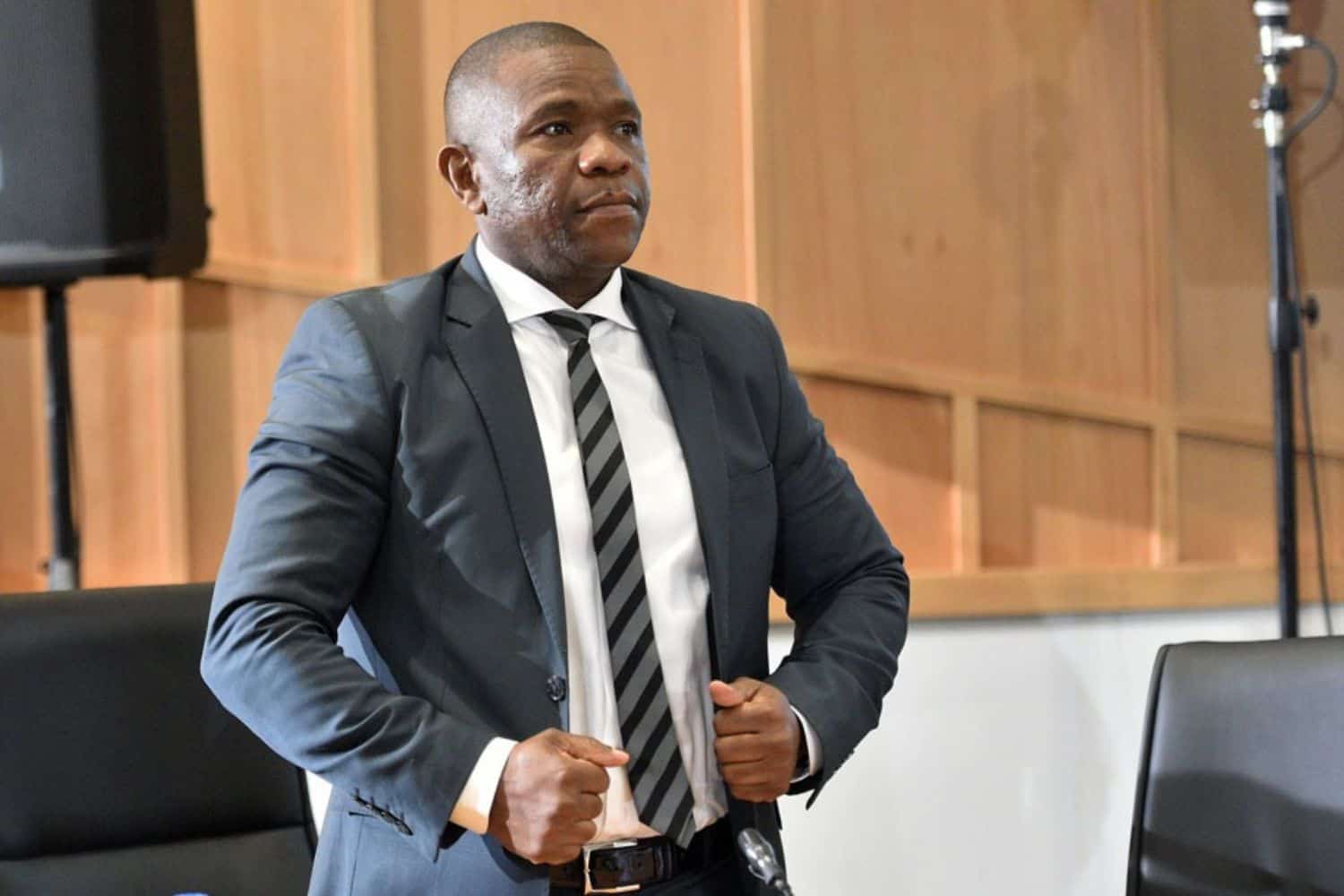
Most startling was Matjeng’s voluntary disclosure that she shared an “on-and-off” romantic relationship with Matlala, a tenderpreneur whose company benefited from a R360 million contract with SAPS before it was cancelled amid corruption allegations. While she claimed the money she received was a personal gift, evidence leaders in the commission challenged this narrative as an attempt to mask bribery connected with her official role.
Meanwhile, testimony before the commission has included electroshock allegations of police abduction to manipulate ballistic reports, and claims that political pressure was applied to track down a controversial blogger for comments critical of political leadership, underscoring deep institutional rot.
Amid these revelations, South Africa’s justice system is itself entering a moment of transformation. President Cyril Ramaphosa has appointed Advocate Andy Mothibi as the new National Director of Public Prosecutions (NDPP), effective 1 February 2026. Mothibi, until recently head of the Special Investigating Unit (SIU), is tasked with leading the National Prosecuting Authority (NPA) at a time when criminal accountability and prosecution capability are under intense scrutiny.
The position of NDPP is constitutionally significant, charged with directing prosecutions independently and without fear, favour or prejudice, a cornerstone for combating corruption and organised crime. Mothibi’s appointment comes after an advisory panel found none of the six shortlisted candidates suitable, a decision that triggered debate and mixed reactions across South African political and civil society circles.
Business groups and parliamentary leaders have cautiously welcomed his selection, citing his experience at the SIU and his track record in governance and compliance, but also stressing the need for sufficient resources and institutional reform to enable effective prosecutions.
Mothibi steps into the role as the NPA grapples with a backlog of corruption and state capture cases, pressure for justice reform, and public demands for accountability. Some critics have questioned the limited tenure he will have, barely thirty months before reaching retirement age, and emphasised that deeper structural reforms are needed if the NPA is to regain credibility and capacity.
For Zimbabwe and neighbouring countries, South Africa’s experience holds important lessons. When state institutions are weakened by corruption, collusion and compromised leadership, the rule of law erodes, and criminal networks exploit these gaps with impunity. The Madlanga Commission’s disclosures, the SAPS probe into implicated members, and the appointment of a new NDPP signal both the extent of the problem and the difficult path ahead for institutional reform.
As the commission prepares to resume its work, the eyes of the region remain fixed on Pretoria. The test will be whether prosecutions follow exposure, whether reforms take root, and whether justice institutions can withstand the very forces that once undermined them. For Zimbabweans watching from Harare to Bulawayo, and across borders where crime and corruption know no lines on a map, the developments in South Africa are both a warning and a call to action.



More Stories
Marital Feud Escalates Into Gun Drama in Rusape
Zimbabwe’s Export Engine Fires Up
Southern Africa Rethinks Energy Security as Zimbabwe Pushes Regional Power Integration