





By Staff Reporter
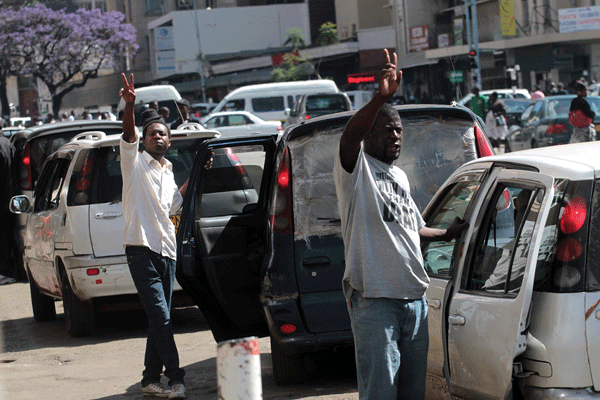
The growing menace of unregulated and often violent rank marshals across Zimbabwe’s urban transport system has evolved into what many now describe as a deeply entrenched and coordinated network operating with apparent impunity.
Across major cities and towns, including Harare and Mutare, commuters and transport operators alike are increasingly falling victim to a chaotic system dominated by informal structures that have effectively taken control of commuter ranks.
What was once dismissed as disorderly conduct by unemployed youths and even older individuals, has, according to investigations by this publication, transformed into a well-oiled operation involving rank marshals, transport operators and, controversially, elements within law enforcement agencies.
Rank marshals, who control loading points and passenger flows at commuter ranks, have become a powerful force within the transport sector. Their influence stretches beyond simply directing vehicles, they are now key players in a parallel economy that thrives on daily and weekly payments extracted from commuter omnibus operators.
Operators are reportedly forced to pay loading fees for every trip, regardless of rising operational costs such as fuel, which has seen frequent increases in recent months. These costs, in turn, are passed on to already burdened commuters.
Investigations reveal that rank marshals not only collect money from operators but also allegedly make routine payments to police officers, ZANU PF and councils to ensure uninterrupted operations.
“We pay every week to police officers,” admitted on condition of anonymity, one rank marshal in Mutare, speaking on condition of anonymity. “Vakomana vema bhasikoro, vanoona isu, tisu tinovapa mari,” he said, suggesting a system where those controlling the ranks act as intermediaries in a broader chain of informal payments.
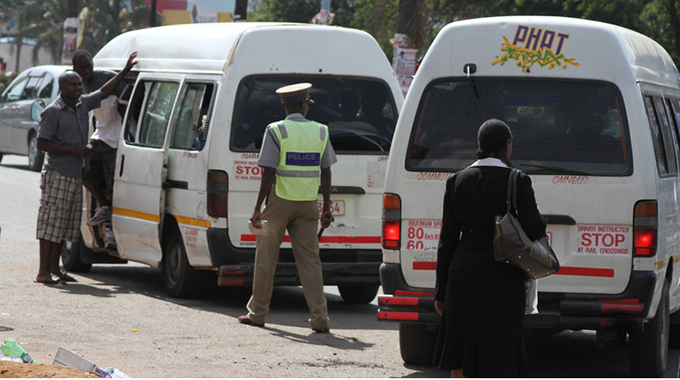
The financial burden of this system ultimately falls on ordinary Zimbabweans, who are already grappling with economic hardship. Transport fares continue to rise, not only due to fuel hikes but also because of the additional costs imposed by rank marshals and associated informal fees.
Commuters have also reported widespread harassment, intimidation and, in some cases, violence at the hands of rank marshals, who operate without visible regulation or accountability.
Motorists, too, have not been spared, with many reporting extortion and threats when navigating through rank-controlled zones.
Despite the scale of the problem, there has been growing concern over what many perceive as government inaction.
Observers argue that the continued existence of these informal structures points to a level of tolerance, or even tacit cooperation, within authorities, particularly given Zimbabwe’s otherwise tight security environment.
Parliamentarians and civic groups have repeatedly raised alarm over the situation, warning that commuter ranks have effectively become “cash cows” benefiting local authorities, law enforcement and groups of unemployed youths operating outside formal systems.
Earlier interventions by government officials have so far yielded little change.
Minister of State for Provincial Affairs and Devolution, Misheck Mugadza, previously issued a stern warning against the activities of rank marshals, indicating that corrective measures would be implemented to restore order in the transport sector.
However, on the ground, the situation remains largely unchanged.
Rank marshals continue to operate with confidence, enforcing their own rules, collecting fees and, in many instances, instilling fear among both operators and commuters.
The persistence of this system highlights deeper structural challenges within Zimbabwe’s transport sector — from weak regulation and enforcement gaps to the growing influence of the informal economy.
As long as these issues remain unresolved, the dream of a safe, efficient and affordable public transport system may remain elusive.



More Stories
Retrenchment Axe Hangs Over TelOne
Marital Feud Escalates Into Gun Drama in Rusape
Printflow Showcases Total Printing And ICT Solutions At Sanganai/Hlanganani Expo