





By Evans Jona
HARARE — Public transport fares are now under intense scrutiny following a recent downward adjustment in fuel prices, with commuters across the capital demanding an immediate reduction in kombi charges that have remained high since earlier fuel increases.
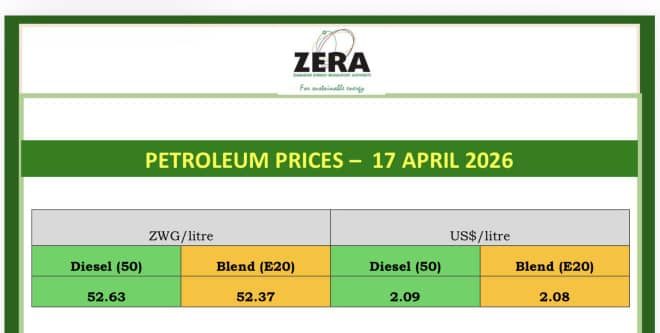
The Zimbabwe Energy Regulatory Authority (ZERA) recently reviewed fuel prices, bringing diesel down from US$2.33 to US$2.09 per litre, while petrol blend (E20) dropped from US$2.17 to US$2.08. The adjustment comes after fluctuations in global oil markets influenced by geopolitical tensions involving Iran, Israel and the United States.
While the fuel price reduction has been welcomed as a stabilizing factor for transport operators, it is the ripple effect on commuter fares that has become the central public concern.
Across Harare, kombi fares had surged sharply in recent weeks, with commuters on routes such as Glen View, Dzivarasekwa and Kuwadzana paying between US$1.50 and US$2 for distances previously charged at US$1. Longer routes to Chitungwiza and Norton rose to between US$2 and US$2.50, with peak-hour fares in some cases reaching US$3.
Commuters say the reductions in fuel prices should now translate into fairer transport charges.
“They increased fares very quickly when fuel went up. Now we are expecting the same speed in reducing them,” said Rumbidzai Simbizi of Glen View. “Our incomes have not changed, so transport must also adjust.”
From Norton, Elton Kanda said the current fares remain unsustainable for many workers.
“At times we pay up to US$3 just to get home. If fuel has gone down, transport costs should also come down. That is the fair thing to do,” he said.
However, kombi operators argue that fuel is only one component of their operating costs.
Tawanda Chikozho, who operates along the Kuwadzana route, said while the fuel reduction offers some relief, it does not automatically justify immediate fare cuts.
“Fuel is important, yes, but we also have to deal with maintenance, tyres and spare parts, which are still expensive. We are reviewing our position, but it is not as simple as just reducing fares overnight,” he said.
Another operator, Simbarashe Sedze of the Chitungwiza route, said fare adjustments may only follow sustained price stability.
“If the current trend continues, then fares may gradually come down. But we need consistency in fuel prices first,” he said.
Transport analysts note that while fuel price movements strongly influence fare structures, commuter relief ultimately depends on how quickly operators adjust and whether competition forces price corrections.
Despite these concerns, pressure is mounting on the commuter transport sector to respond in line with the latest economic shift.
ZERA has urged stability in the market, noting that fuel supply remains adequate and that pricing will continue to reflect global trends.



More Stories
Retrenchment Axe Hangs Over TelOne
Zimbabwe’s Export Engine Fires Up
Southern Africa Rethinks Energy Security as Zimbabwe Pushes Regional Power Integration