




Workers threaten strike as “increment” turns into currency reshuffle with no real gain…
By Shingirai Vambe
What initially appeared to be a milestone intervention by government, presented as a step toward restoring order, stability, and improved governance within the public sector, has rapidly unraveled into yet another source of frustration and disillusionment among civil servants.
The widely publicised salary review, which set earnings from a minimum of US$375 for the lowest-paid grades to a ceiling of around US$900 for senior government employees, had been anticipated as a long-overdue relief measure. For many, it carried the promise of easing the financial burden faced by workers who have endured years of stagnant wages against a rising cost of living.
However, in the days following its implementation, the reality on the ground has painted a different picture.
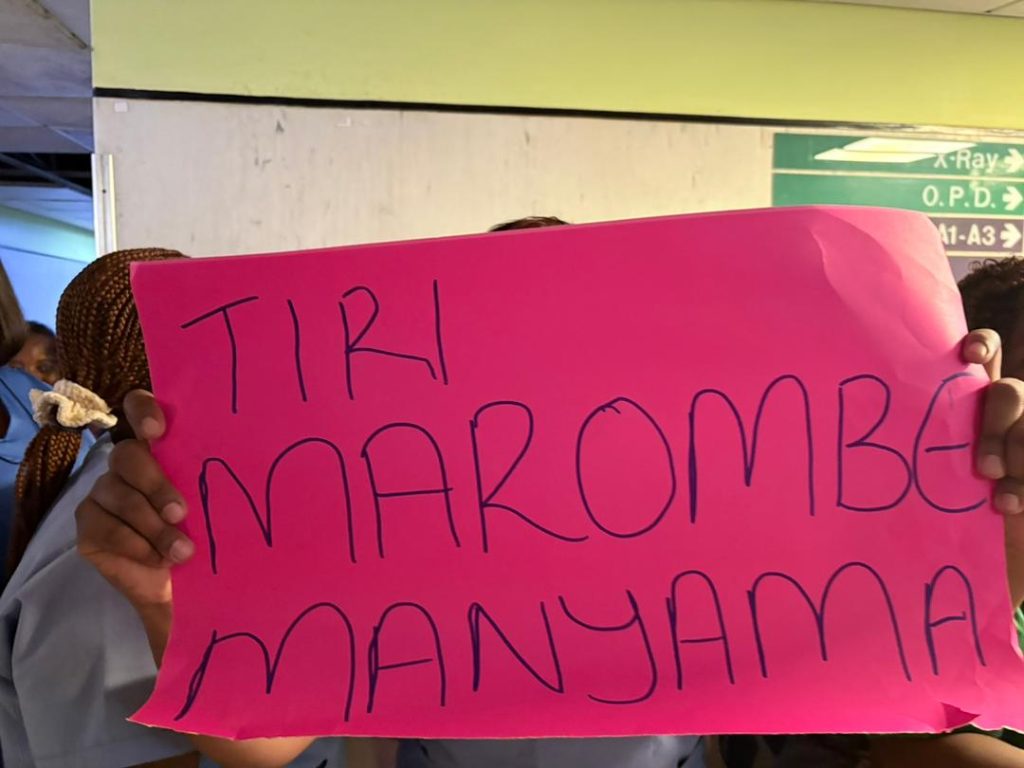
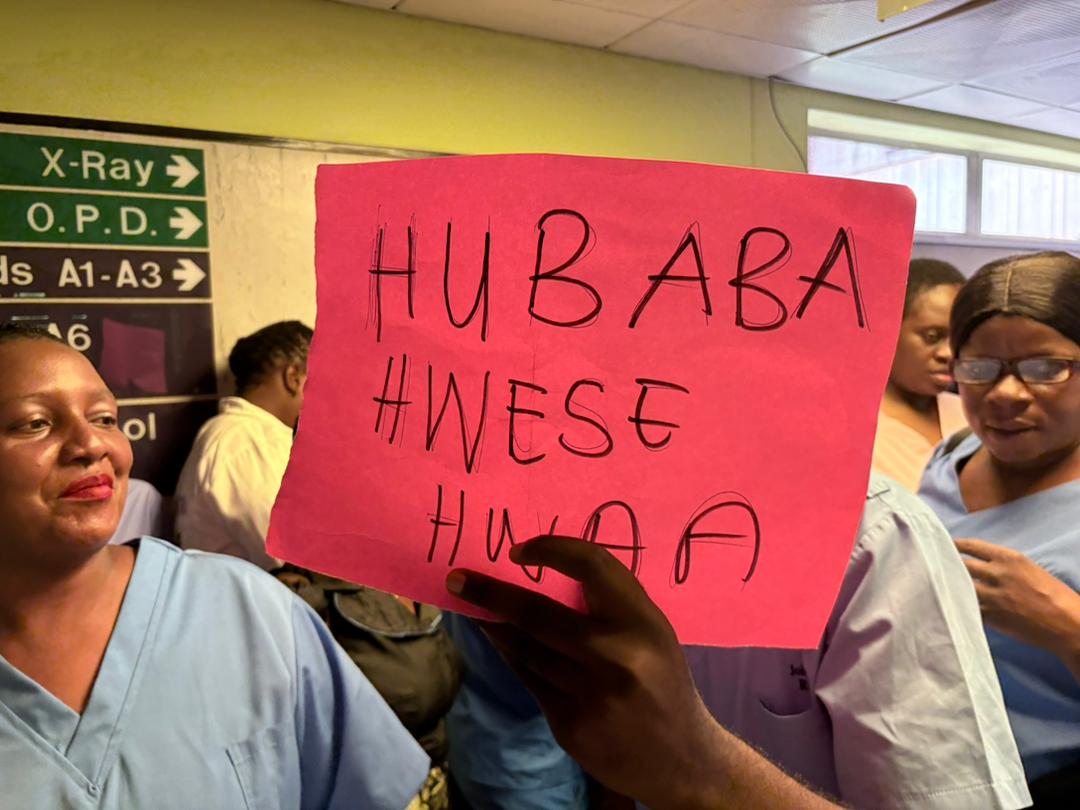
Instead of relief, the adjustment has left many civil servants feeling short-changed and misled, with some describing the outcome as cosmetic rather than substantive. The government, as the paymaster, now finds itself under mounting pressure, with workers expressing anger and signalling intentions to down tools and take to the streets in protest.
The healthcare sector has already taken the lead in escalating the matter. Practitioners have formally notified their superiors of their intention to engage in industrial action beginning Monday, April 20, 2026. The move underscores the growing sense of urgency and frustration within one of the country’s most critical service sectors.
Interviews conducted by The Post On Sunday reveal widespread confusion and dissatisfaction over how the salary adjustments were structured and implemented. Several civil servants indicated that what was presented as an increment was, in practice, a reconfiguration of existing earnings. In some cases, portions of salaries previously paid in local Zimbabwe Gold (ZiG) currency were reduced and shifted into the US dollar component. In other instances, the reverse occurred.
The end result, according to those affected, was that take-home pay remained largely unchanged.
“There is no real increment,” one civil servant said. “It is just a rearrangement of what we were already getting.”
This perception has deepened resentment across the public sector, with many workers arguing that the adjustment fails to address the fundamental issue of inadequate remuneration.
The developments come at a particularly difficult time for Zimbabwean households, as global economic pressures continue to filter into the domestic market. Ongoing conflict in the Middle East has driven up international fuel prices, with local costs reportedly increasing by more than 50 percent. In response, transport operators have hiked fares by as much as 100 percent, triggering a ripple effect across the economy.
The cost of basic goods and services has surged, placing additional strain on already stretched incomes. For many civil servants, the gap between earnings and living expenses continues to widen, eroding purchasing power and deepening economic vulnerability.
Against this backdrop, calls are intensifying for government to adopt a more people-centred approach in addressing wage concerns. Workers argue that salaries must reflect not just job grades, but the real cost of sustaining a household, covering rent, food, transport, education, and healthcare.
Obert Masaraure, president of the Amalgamated Rural Teachers Union of Zimbabwe (ARTUZ), told The Post On Sunday that teachers across the country are now incapacitated and may fail to report for duty when schools open for the second term.
“We have shared our message clearly with Treasury,” Masaraure said. “Teachers must be paid a salary that reflects the dignity of a government employee, one that allows them to feed their families, pay rent, cover school fees, buy clothing, and afford transport to and from work.”
His remarks echo a broader sentiment among labour representatives and economic analysts, who warn that Zimbabwe is witnessing a structural shift marked by a widening income gap and the continued erosion of the public sector’s status.
Economists argue that poor remuneration has not only weakened morale within government institutions but has also stripped public service professions of the dignity they once commanded. The long-term implications, they caution, include declining service delivery, reduced workforce motivation, corruption and a growing exodus of skilled professionals into informal or external opportunities.
What was intended as a corrective measure has, for now, become another flashpoint in Zimbabwe’s ongoing struggle to balance fiscal policy with the lived realities of its workforce, leaving a restless public sector on the brink of renewed confrontation with its employer.


More Stories
Retrenchment Axe Hangs Over TelOne
Marital Feud Escalates Into Gun Drama in Rusape
Zimbabwe’s Export Engine Fires Up