





From Airports to Conference Halls, Zimbabwe’s Hospitality Impresses Africa…
By Shingirai Vambe
Zimbabwe has once again stamped its presence on the continental map, not through mineral wealth, political rhetoric, or economic statistics, but through something delegates at the recently held 3rd National Data Privacy Symposium in Bulawayo described as priceless, the country’s unmatched hospitality, warmth, and human connection.
For many of the more than 500 delegates who gathered in the City of Kings and Queens for the high-level data governance and cybersecurity conference hosted by the Postal and Telecommunications Regulatory Authority of Zimbabwe, the symposium became more than just a professional engagement on digital transformation, privacy protection, and artificial intelligence. It became an emotional encounter with the spirit of Zimbabwe and its people.
Delegates from eight African countries, including representatives from Malawi, Botswana, Zambia, Mozambique, Nigeria and the Democratic Republic of the Congo, left Zimbabwe speaking not only about policy discussions and regulatory frameworks, but about the kindness they encountered from the moment they landed at the airport to the final day of the symposium.
“Our stay has come very short,” one delegate remarked with visible emotion. “The hospitality we got from the sons and daughters of this country is overwhelming. Zimbabweans are warm, welcoming, and genuinely engaging people.”

For many foreign visitors, the conference became an opportunity to reconnect with Zimbabwe’s long-standing identity as a regional home away from home, a nation that has, for decades, accommodated and integrated people from across Southern and Central Africa.
Despite its economic challenges and political turbulence over the years, Zimbabwe remains home to thousands of foreign nationals, many of whom migrated from neighboring countries and built permanent lives within the country’s borders. Across mining towns, agricultural estates, industrial zones, and urban communities, citizens from neighboring states have become part of Zimbabwe’s social and economic fabric.
A delegate from Malawi said Zimbabwe had become a second home for many Malawians, particularly those settled in older high-density suburbs such as Mufakose.
“Many Malawians grew up here, worked here, and raised families here. Zimbabwe is no longer foreign to us,” she said. “There is a sense of belonging and peace that people experience here.”
Cross-border trade and regional interaction also continue to define Zimbabwe’s relationship with neighboring countries. Mozambicans and Zambians continue to flow into Zimbabwe for commerce and trade, while recent discussions between Zimbabwe and Botswana around relaxed border movement and visa-free regional access have been welcomed as progressive steps toward deeper regional integration.
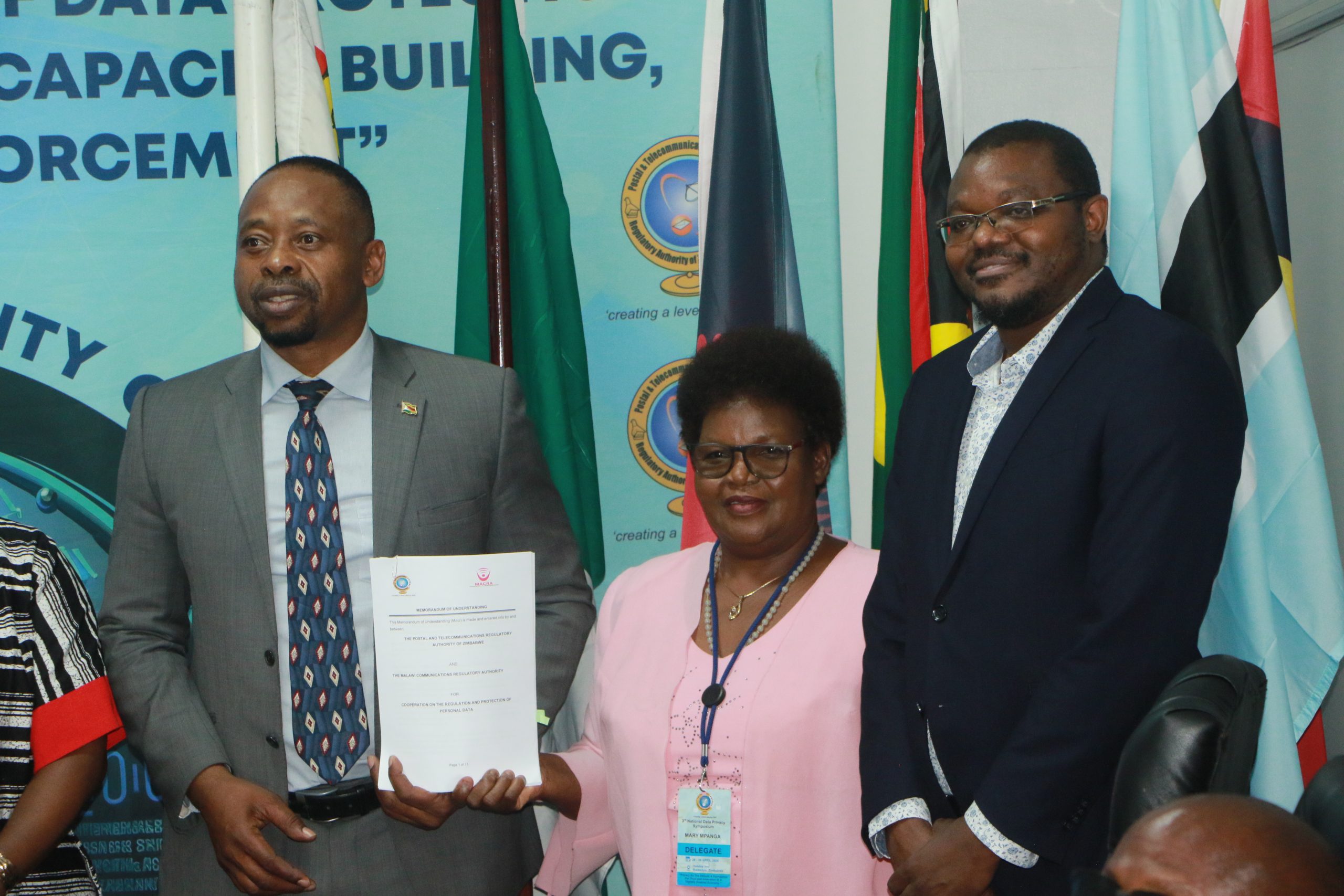
Chairperson of the Parliamentary Portfolio Committee on Information Communication Technology, Vusumuzi Moyo, said the positive testimonies from international delegates reflected the true identity of Zimbabweans.
“I’m really proud of the testimonies that we have heard with regards to our hospitality right from the airport,” Moyo told The Post on Sunday Newspaper.
“We have been told about where our guests are staying and how they have been treated by the host, which is our regulator. I think it speaks to our nature as Zimbabweans naturally. We are people who are very accommodating. We are people with big hearts.”
Moyo said Zimbabwe’s identity had always been shaped by regional integration dating back to colonial times, when people from across Southern Africa migrated into the country and became part of the nation’s development story.
“If you look at how Zimbabwe, even during the colonial times, integrated people from Malawi, Botswana and many others, we all became part of this Zimbabwe that we know today,” he said.
“People from virtually every region are represented in our society. It also speaks to our cosmopolitan nature as a country with 16 officially recognized languages, yet we continue to exist in tolerance, peace, and harmony.”
The legislator also welcomed growing calls for easier movement between African countries, particularly following engagements between Zimbabwe and Botswana over border access and passport-free travel arrangements.
“The counterpart from Botswana actually alluded to the fact that there should be an open passage between Zimbabwe and Botswana, something that His Excellency President Emmerson Mnangagwa and the Botswana President have discussed,” he said.
“Zimbabwe is a landlocked country surrounded by neighbors. I think regional integration is long overdue. If you look at Europe, people can move freely within an entire bloc using simplified systems. Africa must also move toward that direction.”
Moyo said, “improved movement across borders would not only strengthen economic cooperation but would also accelerate the growth of Africa’s digital economy and data ecosystem”.
“It will escalate our economic cooperation and even strengthen the data ecosystem itself. This is the basis for a more consolidated approach to working together economically, socially, and technologically,” he said.
On the symposium itself, Moyo described the gathering as a “resounding success” and an important eye-opener for policymakers and legislators.
“It has been a resounding success,” he said.
“For me personally, it has opened my eyes. Last year, as a parliamentary committee, we had discussions around introducing taxes on big technology companies operating in our markets. During this symposium, I witnessed how regulators from neighboring countries are directly engaging companies tech on issues of data breaches and accountability.”
The legislator said the discussions had shown Zimbabwe that African countries could indeed negotiate and regulate powerful global technology firms.
“It makes it easier for us now because we know it is possible to engage these big tech companies. Other countries are already doing it. Our neighboring countries are talking to them, and we must also move in that direction,” he added.
As delegates departed Bulawayo carrying conference materials, graduation certificates, policy frameworks, and digital governance strategies, many also carried something more enduring, a renewed appreciation of Zimbabwe’s people.
In an era where countries often compete through infrastructure, technology, and economic rankings, Zimbabwe’s greatest export at the symposium may have been something far simpler but deeply powerful, humanity, warmth, and the ability to make strangers feel at home.



More Stories
AHF calls for African countries to unite against debt crisis
Pensioners Left Waiting As Billions Sit In Zimbabwe’s Pension Funds
Printflow Showcases Total Printing And ICT Solutions At Sanganai/Hlanganani Expo