






Workers Demand Dignity, After Years of Outcry…
By Shingirai Vambe
For decades, Zimbabwe’s insurance and pension sector has struggled under the heavy burden of mistrust, controversy, and painful memories of lost savings, leaving many citizens deeply skeptical about institutions meant to secure their future after retirement.
From allegations of corruption, abuse of pension contributions, embezzlement of funds, weak corporate governance, to the erosion of pension values through inflation and currency instability, confidence in pension and insurance schemes has steadily deteriorated over the years. For many workers, the dream of retiring with dignity has become a nightmare marked by meagre payouts that can barely sustain a family for a few weeks.
As a result, a growing number of Zimbabweans have abandoned formal insurance and pension systems altogether, opting instead for informal savings schemes, out-of-pocket healthcare arrangements, burial societies, and personal investments. Others, desperate to preserve value, have turned to livestock, property, cross-border trading, or foreign currency savings rather than trust pension institutions whose credibility has repeatedly come under scrutiny.
Yet even those alternative survival strategies have not always guaranteed security, with some citizens losing money through unregulated schemes, economic instability, or failed investment arrangements.
Against this backdrop of lingering public frustration and declining confidence, Government has taken what many believe to be a major regulatory shift aimed at restoring accountability and rebuilding trust within the country’s pension and insurance sector.

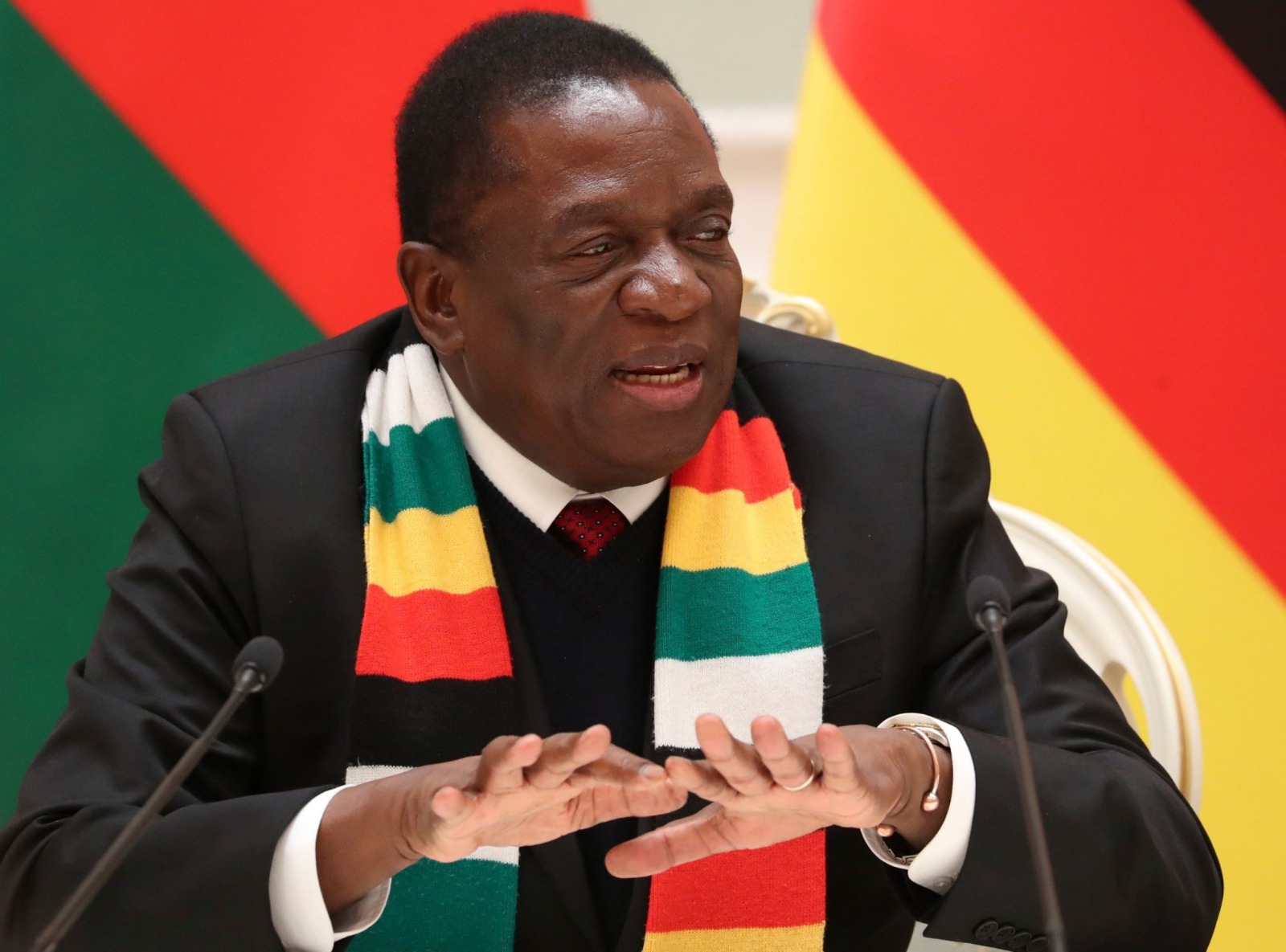
The National Social Security Authority (NSSA), Zimbabwe’s largest statutory pension fund, will now officially fall under the oversight of the Insurance and Pensions Commission following the signing into law of the IPEC Amendment Act by His Excellence the President, Emmerson Mnangagwa.
The announcement of the President’s assent to the law was made by Chief Secretary to the Office of the President and Cabinet, Martin Rushwaya, through General Notice 555 of 2026 published in an Extraordinary Government Gazette.
“The following law, which was assented to by His Excellency the President, is published in terms of subsection 6(a) of section 131 of the Constitution of Zimbabwe, Insurance and Pensions Commission Amendment Act 2026 (No 2),” said Dr Rushwaya.
The development marks a significant turning point in Zimbabwe’s social security landscape, with authorities arguing that the move is necessary to tighten supervision, improve transparency, and curb persistent governance failures that have haunted NSSA over the years.
Under Section 4(a) of the new legislation, IPEC will now have the authority to register, supervise, regulate, and monitor insurers, medical aid societies, pension and provident funds, including NSSA itself, to ensure compliance with national insurance and pension laws.
NSSA, which operates under a statutory mandate to provide social insurance protection for workers, had previously fallen under the Ministry of Public Service, Labour and Social Welfare. However, repeated concerns over accountability, questionable investments, and allegations of abuse of contributors’ funds intensified calls for stronger oversight mechanisms.
For years, many pensioners have openly expressed dissatisfaction with NSSA payouts, arguing that monthly benefits often fail to match the realities of Zimbabwe’s harsh economic conditions. Critics say pensioners who dedicated decades of service to the nation are frequently left surviving on allowances that are inadequate to cover basic necessities such as food, rent, transport, healthcare, and utilities.
The frustration has driven many employers and private institutions to establish independent pension schemes for their employees. While private pension funds have also faced challenges linked to inflation and economic volatility, many workers still view them as relatively better alternatives compared to NSSA.
The passage of the new law did not come without resistance.
Before President Mnangagwa signed the amendment into law, several stakeholders reportedly lobbied against the move, arguing that placing NSSA under IPEC’s supervision could create institutional complications and threaten workers’ savings.
Among those opposed to the changes were NSSA itself and the Tripartite Negotiating Forum, the country’s main social dialogue platform that brings together Government, labour unions, and business representatives.
The TNF reportedly argued that the transfer of oversight responsibilities posed what it described as a “structural risk” to contributors’ funds, while also raising concerns about whether IPEC possessed sufficient institutional capacity to regulate a large state-run social security entity like NSSA.
Critics of the amendment maintained that IPEC had traditionally focused on private insurance and pension entities and may not yet be adequately equipped to handle the scale and complexity of NSSA operations.
However, Government defended the reforms, insisting the changes were necessary to protect pension contributors and enforce greater discipline within the sector.
The amendment was spearheaded in Parliament by Mthuli Ncube, Minister of Finance, Economic Development and Investment Promotion, who argued that the reforms were intended to strengthen accountability following repeated reports of poor corporate governance and abuse of funds within the State-run pension authority.
Authorities say the broader objective of the new legislation is to create a fair, safe, transparent, and stable insurance and pensions environment that protects policyholders and pension contributors.
The law also introduces the establishment of a Policyholder and Pensions and Provident Fund Members Protection Fund, a mechanism designed to cushion beneficiaries against losses in the event that pension or insurance contributors become insolvent.
The protection fund will be administered by a Board appointed by the Minister of Finance and will be responsible for compensating affected beneficiaries where losses occur.
Economic analyst, Gift mugano told the Post on Sunday that the reforms come at a critical time when Zimbabwe is battling to rebuild public confidence in financial institutions following years of economic turbulence, hyperinflation, currency changes, and shrinking pension values that wiped out the life savings of many retirees.
“For ordinary Zimbabweans, however, the ultimate test will not lie in legislation alone, but in whether the reforms translate into meaningful change on the ground, improved payouts, transparent management of contributions, protection of pension value, and the restoration of dignity to pensioners who have long felt abandoned by systems meant to protect them in old age,” said Mugano.




More Stories
AHF calls for African countries to unite against debt crisis
Pensioners Left Waiting As Billions Sit In Zimbabwe’s Pension Funds
Printflow Showcases Total Printing And ICT Solutions At Sanganai/Hlanganani Expo