




Ramaphosa’s Farmgate Drama Gets Another Season…
By The Post On Sunday
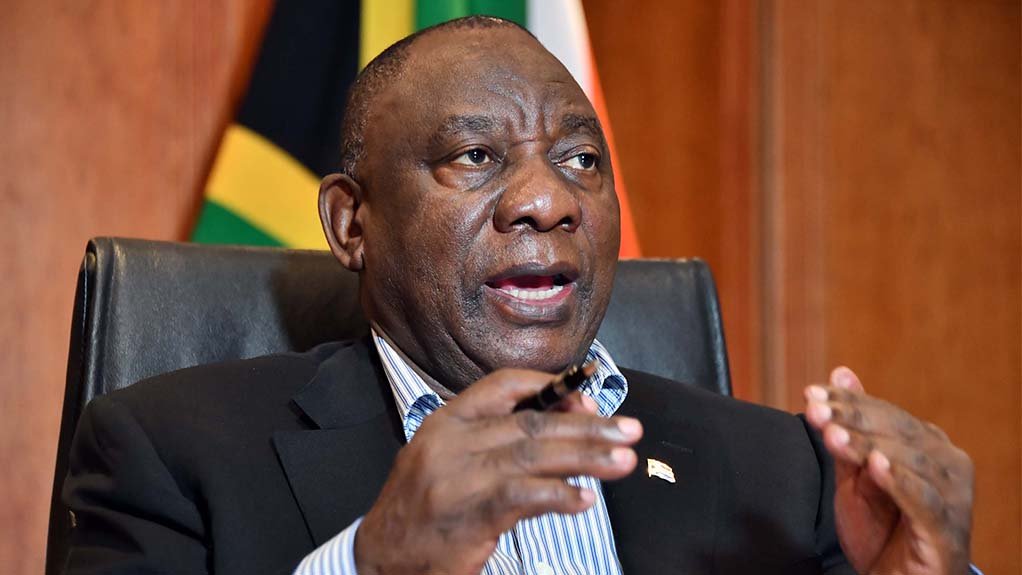
In a landmark judgment delivered on Friday, the apex court ordered South Africa’s National Assembly to reconsider the impeachment process after finding that lawmakers acted inconsistently with the Constitution when they voted to halt proceedings against the president in December 2022.
The ruling stems from allegations surrounding the theft of a large amount of foreign currency allegedly hidden inside furniture at Ramaphosa’s private Phala Phala game farm in Limpopo Province. The controversy, widely dubbed “Farmgate” by South African media, emerged after former intelligence boss Arthur Fraser accused the president of concealing the theft and improperly handling the matter.
At the centre of the scandal is approximately US$580,000 in cash, which Ramaphosa says was proceeds from the sale of buffaloes to a Sudanese businessman. Critics, however, questioned why such a large amount of foreign currency was allegedly stored in a sofa at a private residence rather than deposited through formal banking channels.
Delivering the judgment, Chief Justice Mandisa Maya declared Parliament’s earlier decision invalid.
“It is declared that the vote of the National Assembly taken on 13 December 2022 is inconsistent with the Constitution, invalid, and it is set aside,” Maya ruled.
Importantly, the Constitutional Court did not determine whether Ramaphosa committed wrongdoing. Instead, the judges focused on whether Parliament acted lawfully when it rejected recommendations from an independent panel that had advised lawmakers to establish an impeachment inquiry.
The legal challenge was brought before the court by opposition parties, the Economic Freedom Fighters (EFF) and the African Transformation Movement (ATM), both of which argued that Parliament irrationally dismissed serious constitutional concerns raised by the independent panel.

The independent panel, chaired by former Chief Justice Sandile Ngcobo, had concluded in 2022 that there was preliminary evidence suggesting Ramaphosa may have violated the Constitution and had a case to answer. The panel subsequently recommended that Parliament establish a formal impeachment committee to investigate the allegations further.
However, Ramaphosa’s ruling African National Congress (ANC), which still held a parliamentary majority at the time, voted against the establishment of the committee, effectively blocking the impeachment process.
Friday’s Constitutional Court ruling now reverses that outcome and compels Parliament to revisit the process in line with constitutional provisions.
The judgment marks a significant political setback for Ramaphosa, who has consistently fought to contain the fallout from the scandal while maintaining his innocence. Since the allegations first surfaced, the South African president has repeatedly denied any criminal conduct and insisted that the funds were legitimate proceeds from his farming business.
Ramaphosa has also survived several investigations related to the matter. South Africa’s Reserve Bank, the Revenue Service, and the Public Protector separately cleared him of wrongdoing in investigations linked to the Phala Phala affair.
Responding to the latest court ruling, presidential spokesperson Vincent Magwenya said Ramaphosa respected the judgment and remained committed to constitutional governance and judicial independence.
“The Presidency has noted the judgment of the Constitutional Court in the case brought by the Economic Freedom Fighters challenging the National Assembly’s decision with respect to Section 89 proceedings against the President,” Magwenya said.
“President Ramaphosa respects the Constitutional Court’s judgment and reaffirms his commitment to the Constitution, the independence of the judiciary and the rule of law.”
He added that the president had cooperated fully with all investigations into the matter and maintained that no individual should be above the law.
South Africa’s Parliament also acknowledged the judgment, describing it as a significant ruling requiring careful legal and procedural consideration. Parliamentary spokesperson Moloto Mothapo said lawmakers would first study the implications of the judgment before deciding on the next steps.
Political analysts say the ruling has reopened one of the most damaging controversies of Ramaphosa’s presidency, but they caution that the impeachment process remains far from complete.
An impeachment vote in South Africa requires a two-thirds majority in Parliament, a threshold considered difficult to achieve despite the ANC losing its outright parliamentary majority in the 2024 elections. The ANC still retains more than one-third of seats in the National Assembly, effectively giving the party enough leverage to shield Ramaphosa from removal.
Analysts also argue that Ramaphosa continues to enjoy significant backing within the ANC and among coalition allies, including the Democratic Alliance.
Political commentator Oscar van Heerden said the matter was unlikely to result in Ramaphosa’s removal from office, noting that key political players were unlikely to destabilise the current coalition arrangement.
“I don’t think the report is going any further towards impeachment,” Van Heerden said, arguing that Ramaphosa still commands majority support within his party.
Meanwhile, the EFF has already written to the Speaker of Parliament demanding the immediate establishment of the impeachment committee in compliance with the Constitutional Court ruling.
The scandal itself has remained politically explosive because it touches on broader concerns about transparency, accountability, and elite privilege within South Africa’s governing structures. Questions surrounding the origin of the money, whether it was properly declared, and the handling of the theft have fuelled persistent criticism from opposition parties and civil society groups.
For Ramaphosa, who came into office in 2018 promising ethical leadership and anti-corruption reforms after the scandal-ridden era of former president Jacob Zuma, the Phala Phala controversy has become one of the biggest tests of his credibility and political survival.
While the Constitutional Court ruling does not immediately threaten his presidency, it has once again thrust the “Farmgate” scandal back into the national spotlight, setting the stage for another prolonged political and legal battle that could define the remainder of Ramaphosa’s administration.


More Stories
AHF calls for African countries to unite against debt crisis
Zimbabwe’s Second Bid to Remove Vendors from Harare Streets Triggers Fresh Livelihoods, Law and Order Clash
Traffickers exploiting job seekers and vulnerable Zimbabweans, official warns