




By Shingirai Vambe
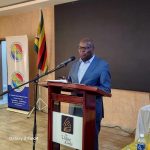
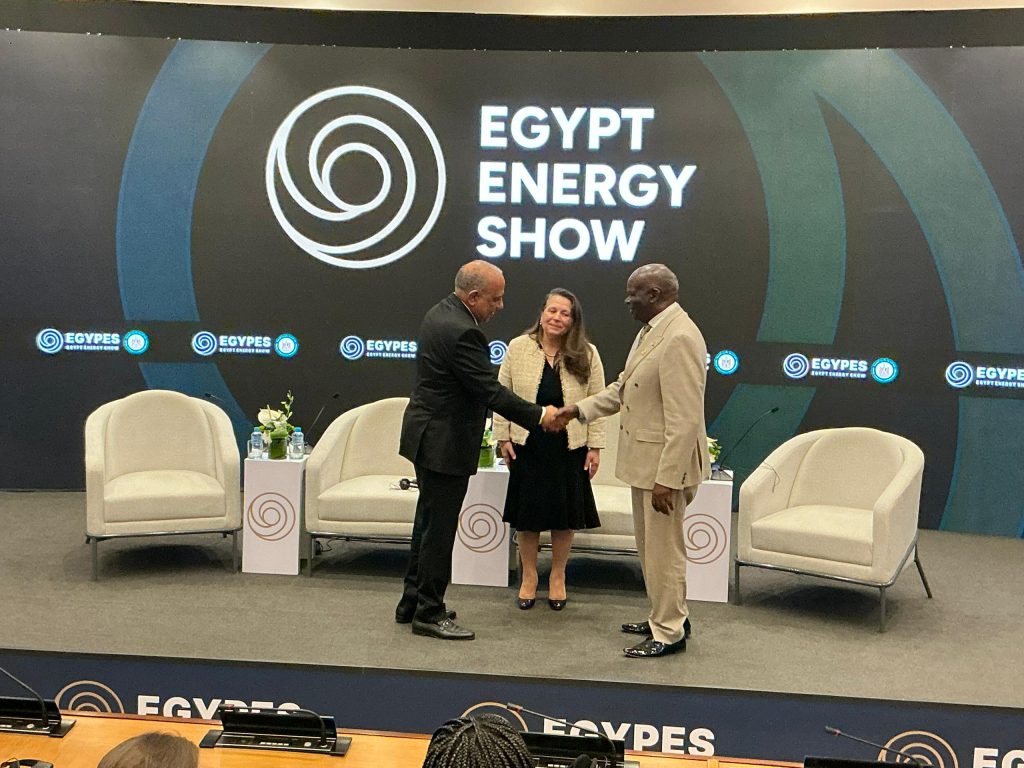
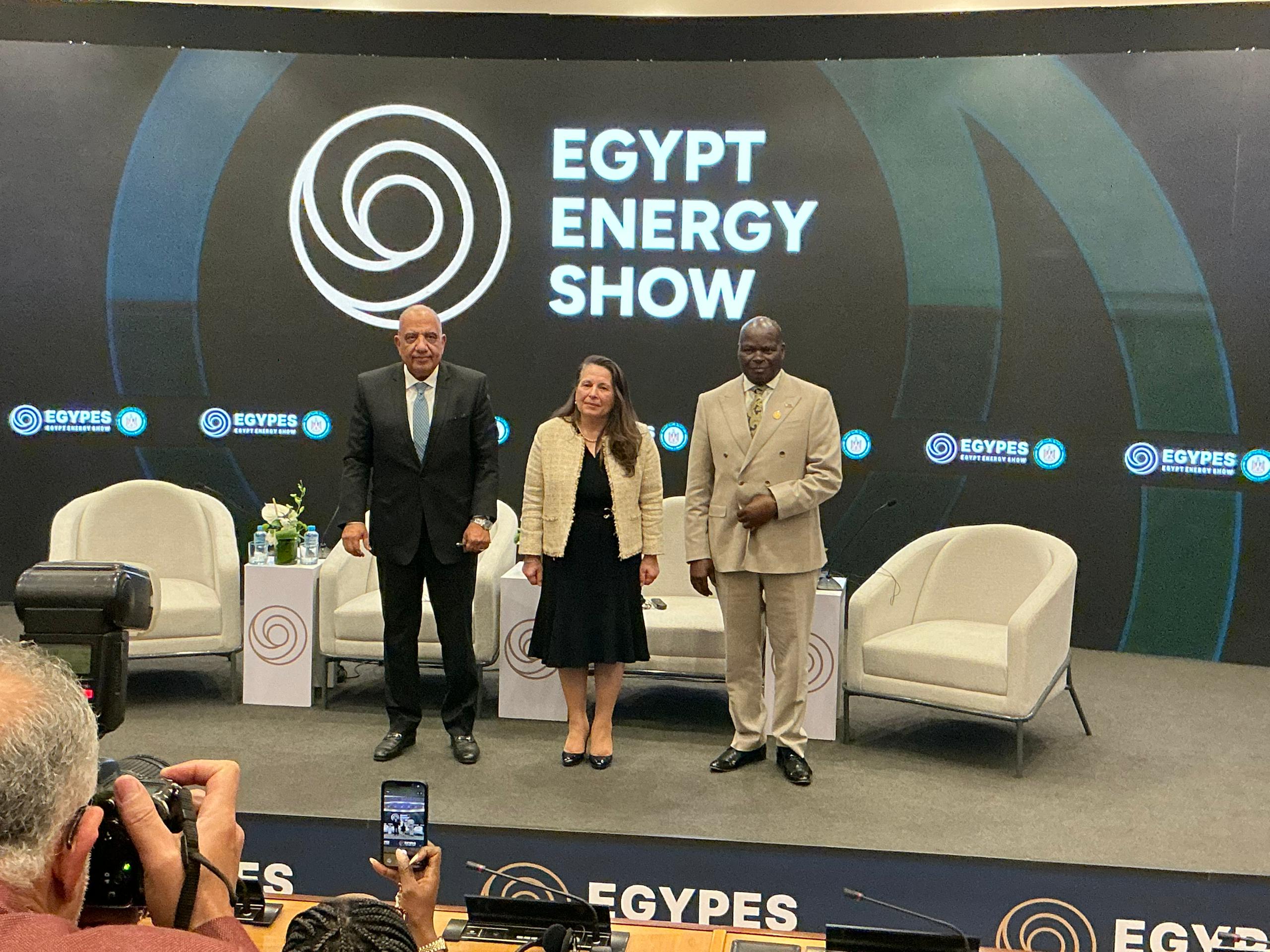
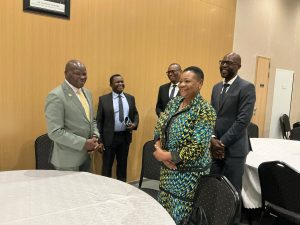
Zimbabwe’s Minister of Energy and Power Development, July G. Moyo, is in Cairo, Egypt, where he is participating in the high-level Egypt Energy Show (EGYPES) 2026, a flagship annual gathering that convenes governments, industry leaders and private sector players from across Africa, Europe and Asia.
Running from March 30 to April 2, the conference has once again positioned Egypt as a critical hub for global energy dialogue, bringing together key stakeholders to explore synergies, exchange ideas and unlock investment opportunities within the continent and beyond. For Zimbabwe, the platform presents a strategic opportunity to articulate its energy ambitions at a time when the global power sector is undergoing rapid transformation.
Minister Moyo is among a select group of speakers invited to contribute to a ministerial panel discussion themed “A New Era of Interconnected Electricity.” The session places Africa at the centre of a shifting global energy landscape, where rising demand, digitalization and decentralization are redefining how electricity is generated, transmitted and consumed.
In his address, Moyo is expected to underscore Zimbabwe’s position that energy is not merely infrastructure, but the backbone of economic transformation. He highlights that access to reliable and affordable electricity remains one of the country’s top national priorities, particularly as demand continues to rise, driven by mining expansion, industrial recovery and rapid urbanization.
Zimbabwe’s power sector, with an installed capacity of approximately 2,800 megawatts, is largely anchored by hydropower and coal. Key assets include the Kariba South Hydropower Station and the Hwange Thermal Power Station, which has recently been expanded with Units 7 and 8. However, the sector faces persistent challenges, including supply deficits during peak periods, fluctuating water levels affecting hydropower generation, ageing thermal infrastructure and transmission bottlenecks.
Against this backdrop, Moyo is expected to emphasise the critical importance of regional integration. Zimbabwe is an active member of the Southern African Power Pool (SAPP), one of Africa’s most advanced electricity markets. Through this platform, the country has been able to import power during shortages and export surplus energy, contributing to improved system stability.
He argues that no single African nation can meet future energy demand in isolation, calling instead for deeper interconnectivity across the continent. This includes the development of high-capacity transmission corridors and cross-border “super grids” that would allow electricity to flow seamlessly between regions.
Zimbabwe, he notes, is strategically positioned as a potential energy transit and trading hub linking Southern, Central and Eastern Africa. Priority projects include strengthening interconnections with Zambia and Mozambique, upgrading transmission infrastructure and aligning policies and tariffs to facilitate cross-border electricity trade.
Central to this vision is the proposed Batoka Gorge Hydropower Scheme, a joint venture between Zimbabwe and Zambia with a potential generation capacity of 2,400 megawatts. The project is regarded as a cornerstone for regional power integration and a major investment opportunity capable of significantly boosting electricity supply within the SAPP network.
Beyond traditional energy sources, Zimbabwe is also pursuing a transition towards renewable energy, particularly solar power, leveraging its high solar irradiation levels. Hybrid systems combining solar, hydropower and storage are being explored as a means to ensure reliability while reducing dependence on fossil fuels.
Moyo is also expected to make a strong case for increased private sector participation. Through its National Energy Compact, Zimbabwe is seeking to mobilise over US$19 billion in investment, focusing on generation expansion, transmission infrastructure and grid modernization. The government is promoting Independent Power Producers and public-private partnerships, while working to address investor concerns around currency risks, policy consistency and tariff structures.
Speaking to the media on the sidelines of the conference, Moyo also addressed broader geopolitical concerns, including the ongoing tensions in the Middle East. From an African perspective, he noted that conflicts in the region have far-reaching ripple effects, particularly on energy markets and fuel prices, which directly impact economies across the continent.
He acknowledged Egypt’s growing diplomatic role, especially following appeals by its leadership for de-escalation, stressing that stability in the Middle East remains critical for global economic balance.
As the conference progresses, Moyo’s message is clear, Africa’s energy future must be interconnected, investment-driven and resilient. He called on global partners to move beyond dialogue and commit to actionable investments that will power the continent’s development.
“Electricity must flow across borders as easily as information flows across networks,” he said, urging stakeholders to transform shared ambitions into bankable projects, connected grids and thriving economies.
With Zimbabwe positioning itself at the heart of regional energy integration, its presence at EGYPES 2026 signals both ambition and urgency in shaping a sustainable and inclusive energy future for Africa.


More Stories
Retrenchment Axe Hangs Over TelOne
Marital Feud Escalates Into Gun Drama in Rusape
Zimbabwe’s Export Engine Fires Up