



By Senior Reporter
The deepening political tensions surrounding Zimbabwe’s proposed Constitutional Amendment Bill No. 3 (CAB3) took a decisive turn this week, as opposition parties formally withdrew from the ongoing parliamentary consultation process, citing violence, intimidation and what they describe as a fundamentally flawed and predetermined exercise.
Leader of Transform Zimbabwe, Jacob Ngarivhume, told The Post On Sunday in an interview, Wednesday morning that opposition parties had collectively resolved to disengage from what he termed a “sham process” that has increasingly become a hostile environment for dissenting voices.
According to Ngarivhume, the consultations have degenerated into “violent zones,” where alleged ruling party activists are targeting opposition supporters and critics of the controversial 2030 agenda. He said the joint decision by opposition groups to withdraw should not be viewed as an end in itself, but rather the beginning of a new phase of political resistance.
“This is not the end, it is the start of another era,” Ngarivhume said. “We are now moving towards building a united front against a system that is showing traits of the Smith regime. Zimbabweans fought for one man, one vote, and what we are seeing now is a reversal of those gains.”
He warned that the proposed amendments risk concentrating excessive power in the executive at a time when ordinary citizens continue to endure economic hardship and what he described as political persecution.
The opposition’s withdrawal follows a joint announcement by senior political figures, including Tendai Biti, Jameson Timba and Lovemore Madhuku, who declared a boycott of the public hearings. The trio accused authorities of presiding over a process marred by orchestrated disruptions and systematic exclusion of alternative views.
Addressing journalists at a press conference, Timba described scenes witnessed during the hearings, particularly in Harare, as incompatible with any genuine democratic consultation.
“What we witnessed cannot be described as a consultative process,” he said. “Citizens were denied the opportunity to speak, dissenting voices were drowned out, and in some instances violence and intimidation were deployed, even against journalists and legal practitioners.”
He added that the hearings had effectively been reduced to a scripted exercise aimed at manufacturing legitimacy for a predetermined outcome.
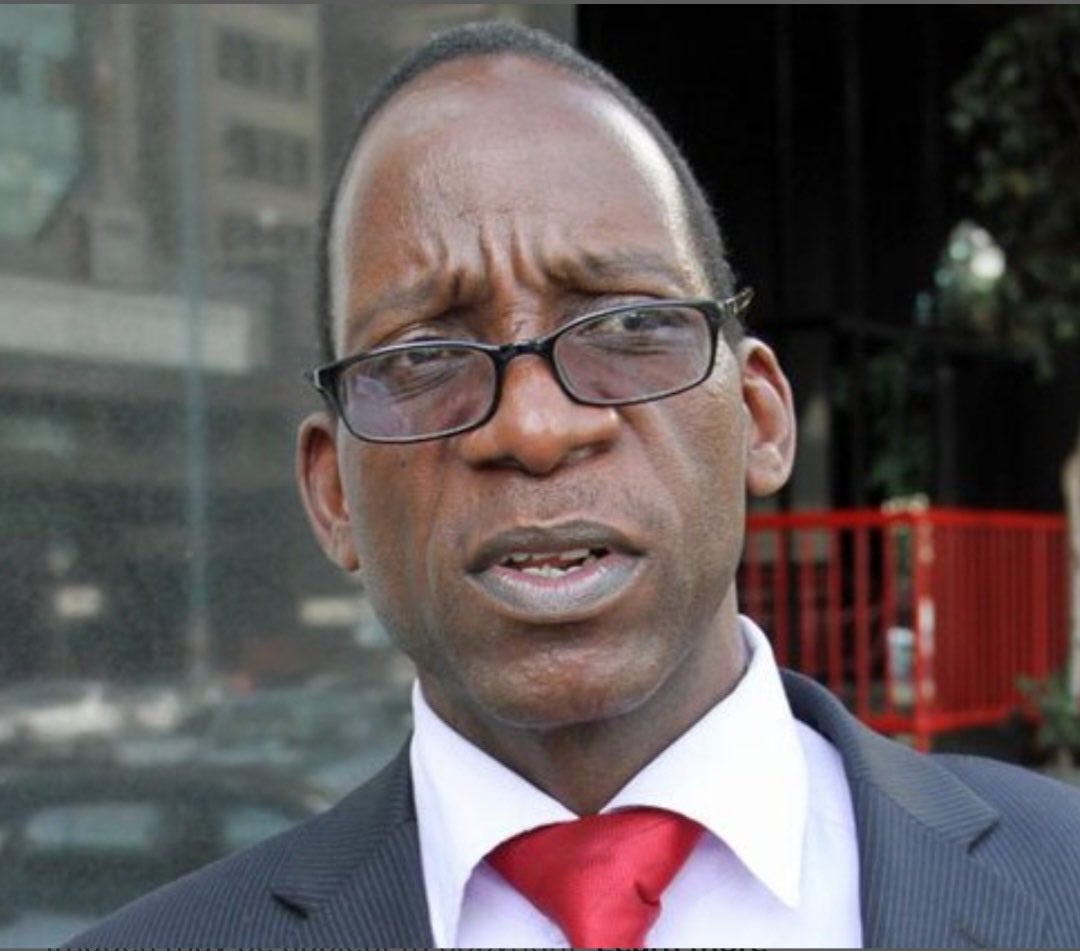
“This is not consultation, this is orchestration,” Timba said, announcing that opposition parties, in coordination with civic organisations, had taken a “principled decision” to disengage entirely from the process.
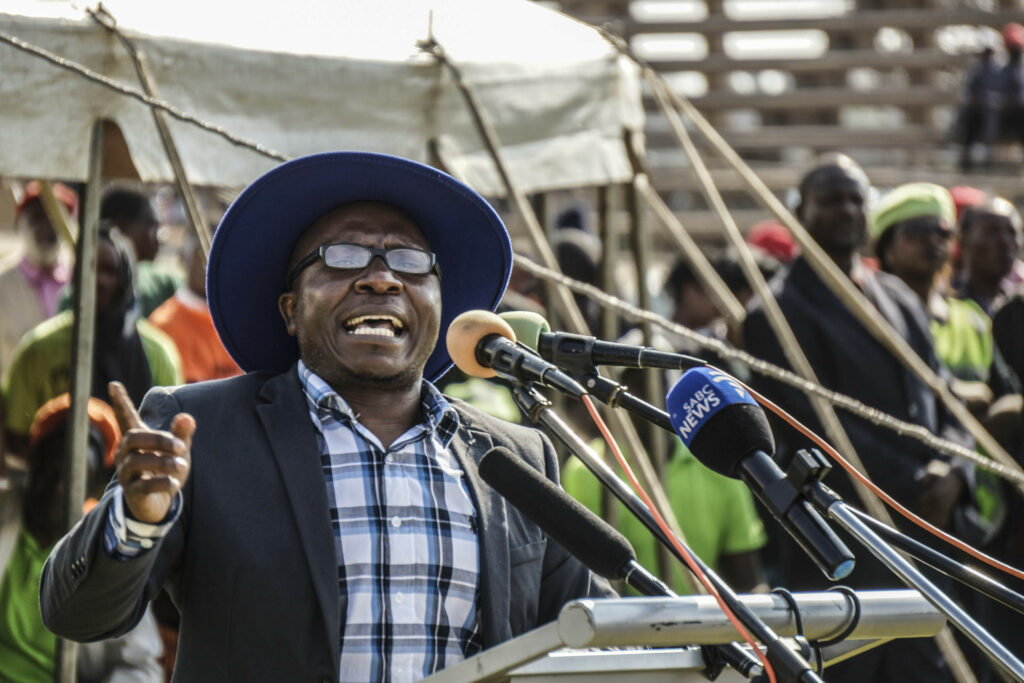
Their decision follows chaotic scenes at the City Sports Centre earlier this week, where proceedings were abruptly halted after groups of rowdy youths disrupted the hearings, reportedly preventing perceived critics of the Bill from contributing. Witnesses described an atmosphere of fear and disorder, with some alleging that participants were selectively mobilised to dominate proceedings in favour of the proposed amendments.
Prominent human rights lawyer Douglas Coltart was reportedly assaulted during the disturbances and claimed that his cellphone was stolen in the process. Journalists covering the event were also targeted, with some allegedly blocked from leaving the venue and forced to delete footage captured during the chaos.
Civil society organisations have echoed concerns raised by opposition leaders, arguing that the integrity of the consultation process has been severely compromised. Critics maintain that Parliament has allowed predominantly pro-Bill submissions to dominate, while dissenting voices are suppressed through intimidation and, in some cases, violence.
At the centre of the controversy is a provision within CAB3 that seeks to extend the term of office of President Emmerson Mnangagwa by two years, a proposal that opponents argue undermines constitutionalism and erodes democratic norms.
The Amalgamated Rural Teachers Union of Zimbabwe (ARTUZ) has also announced its “total withdrawal and disengagement” from the hearings, describing the process as having been “captured by partisan interests.”
In a strongly worded statement, the union said the consultations had “degenerated into a theatre of coercion, fear, repression, ruling party rallies, violence and intimidation,” adding that participants were being transported to venues to manufacture consent rather than to freely express public opinion.
ARTUZ noted that its initial participation had been driven by a sense of civic duty, but concluded that the process no longer met basic standards of legality, transparency or democratic credibility.
The latest developments add to a growing pattern of unrest surrounding the CAB3 consultations, with previous reports documenting similar disruptions at multiple venues across the country. In a separate incident, officials linked to the National Constitutional Assembly were reportedly attacked ahead of the hearings, further highlighting what critics describe as an increasingly hostile political climate.


More Stories
Marital Feud Escalates Into Gun Drama in Rusape
AHF calls for African countries to unite against debt crisis
Pensioners Left Waiting As Billions Sit In Zimbabwe’s Pension Funds