





Heavy Rains, Dry Spells Expose Zimbabwe’s Climate Vulnerability…
By Shingirai Vambe
Climate change is no longer a distant threat but a lived reality across Zimbabwe, where shifting weather patterns over the past decade have fundamentally altered the agricultural landscape. For years, farmers have battled erratic rainfall, prolonged dry spells and unpredictable seasons, forcing a gradual shift towards adaptation strategies. Yet the 2025–2026 summer season has underscored just how volatile and uneven these changes have become.
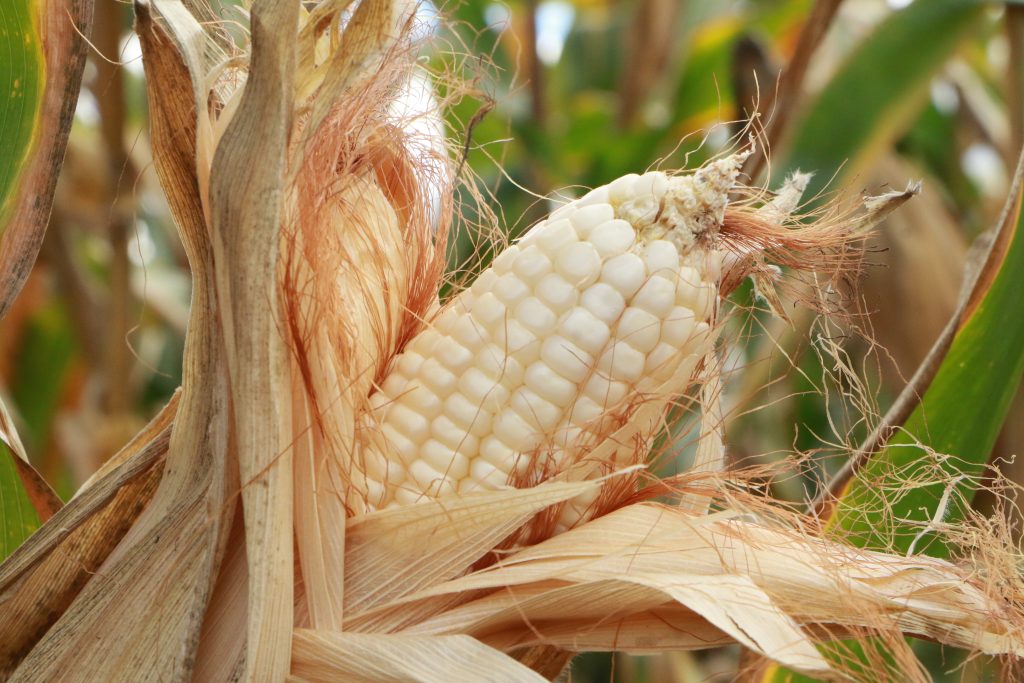
Across the country, heavy rains have poured relentlessly in some regions, while others have endured punishing dry spells within the same season. This uneven distribution of rainfall has left a trail of destruction, highlighting the fragile balance that defines Zimbabwe’s largely rain-fed agriculture. In Makoni District, farmers are counting heavy losses, with more than 7,000 tonnes of tobacco reportedly destroyed. Maize crops, the staple for most households, have not been spared either, battered by excessive rainfall in some areas and scorched by sudden heatwaves and dry spells in others.
The consequences are far-reaching. As yields decline and uncertainty deepens, fears of hunger are once again looming over vulnerable rural communities. For many farmers, the season has reinforced a hard truth, traditional farming calendars and crop choices are no longer reliable in the face of climate change.
Agricultural experts and development practitioners are increasingly urging a shift towards climate-resilient crops, particularly small grains such as sorghum and millet, which are better suited to withstand erratic weather conditions and shorter growing seasons. These crops, often overlooked in the past, are now being repositioned as a critical buffer against food insecurity in an unpredictable climate.

Amid these challenges, however, pockets of resilience are emerging. Seventy-six kilometres outside Rusape, in the Headlands area, Mupururu Village recently became a focal point of hope and innovation. Farmers, extension officers and development partners gathered for a field day that showcased how adaptation and sustainable practices can turn adversity into opportunity.
Among the standout examples are Mr and Mrs Chitisike, who have defied the odds through training, partnerships and the adoption of climate-smart agriculture. On their 6 plots, of 0.0625ha, the couple is expecting to harvest up to six tonnes of produce, a remarkable achievement in a season marked by extremes.
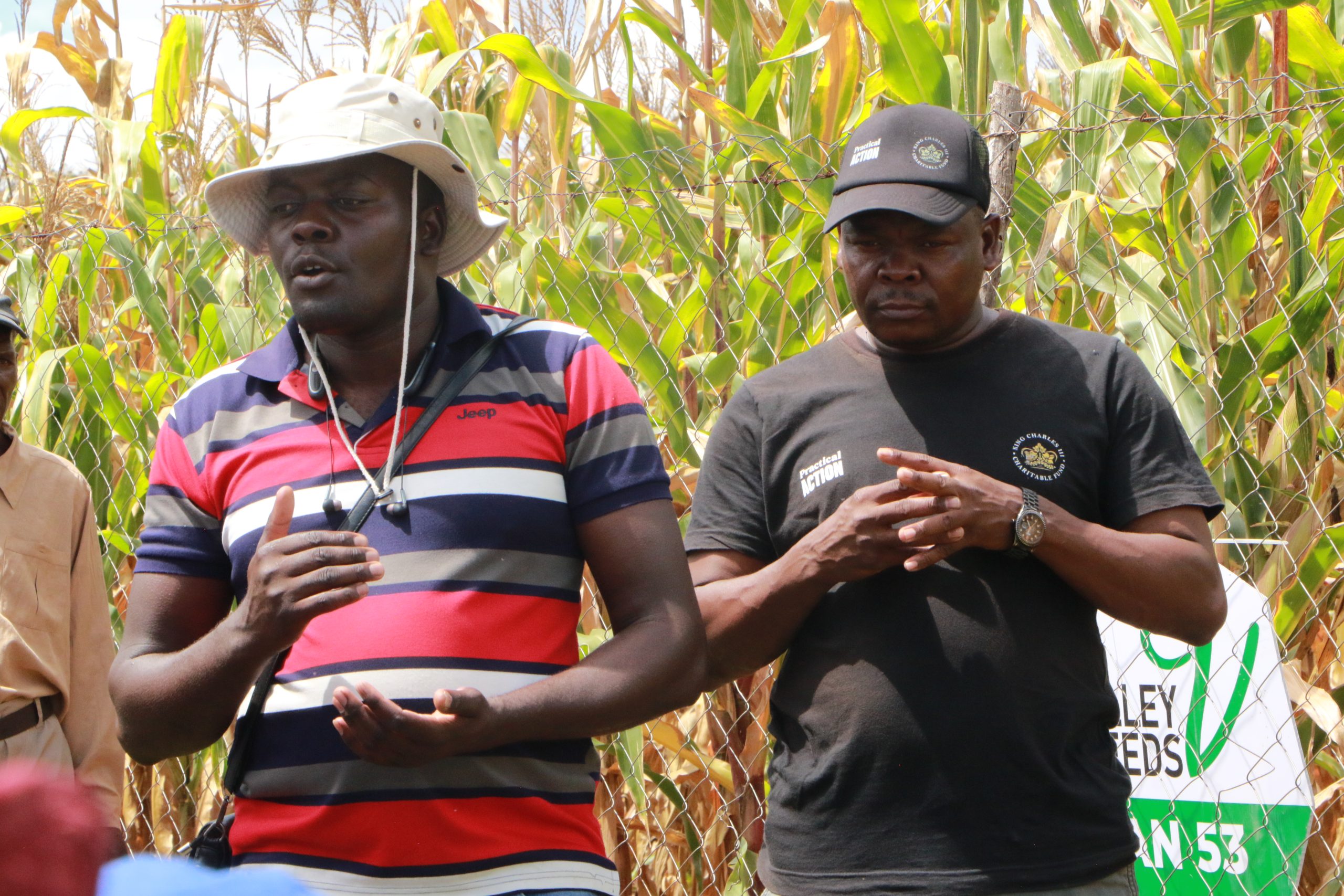
Their success mirrors that of other farmers who undertook the same programme, with Mr Chitsike’s commitment to the Pfumvudza/Intwasa conservation farming model earned him top honours as the overall winner of the 2025–2026 summer season. His work forms part of a broader regenerative agriculture programme led by Practical Action in partnership with Africa University, with support from private sector players including Organic Enriched Fertilizers, Valley Seeds and Genesis Fertilizers Global Solutions.

The field day in Mupururu Village offered more than a celebration of individual achievements, it provided a glimpse into the future of farming in Zimbabwe. Demonstrations of intercropping, soil conservation and efficient water use reflected a growing shift towards regenerative agriculture, an approach that seeks not only to increase productivity but also to restore soil health and ecological balance.
Globally, agriculture is undergoing a transformation. While the Green Revolution once boosted food production to meet rising demand, it also contributed to soil degradation, biodiversity loss and increased vulnerability to climate change. Today, regenerative agriculture is gaining ground as a sustainable alternative, blending modern innovation with traditional knowledge to rebuild ecosystems and enhance resilience.
Speaking to The Post On Sunday, Practical Action field officer John Muusha said the programme is designed to address food insecurity at its roots while empowering farmers with knowledge and tools.
“This initiative is meant to alleviate hunger and rebuild our soils,” Muusha said. “Working with Africa University, we are conducting soil testing so that farmers understand what their land needs, the right type and quantity of fertilizers, lime and organic inputs. This is a shift from the old system where farmers would exhaust the land and move on.”
He added that beyond improving yields, the programme is transforming how farmers think about their land.

“The goal is to revitalize the soil and restore its value, while ensuring farmers produce high-quality crops. When the soil is healthy, everything else follows.”
AU lecturer, Dr Tony Tauro said soils are different and handled differently, and the most important thing is to understand the soil. “We accept soil sample from farmers and analyze them, and give you a detailed report on the status and what is required to produce adequate results,” said Dr Tauro
As the season draws to a close, the contrast between loss and resilience is severe. While some farmers grapple with destroyed crops and uncertain futures, others are demonstrating that with the right support, knowledge and adaptive practices, it is possible to withstand the shocks of climate change.
In Mupururu Village, the message from the land is, the future of Zimbabwean agriculture will depend not on resisting change, but on embracing it, by adopting resilient crops, restoring soils and rethinking how farming is done in an increasingly unpredictable climate.
Students from nearby Tsvaira Secondary School, who are studying agriculture, were given a valuable opportunity to engage with experts and gain hands-on insights into modern conservation and regenerative farming practices, equipping them to embrace change while inspiring a new generation towards a more sustainable and promising future.
Zimbabwe’s development trajectory is increasingly being shaped by a bold national vision, to attain an upper middle-income economy by 2030. At the heart of this ambition lies agriculture, a sector that has long been the backbone of the country’s economy and a lifeline for millions of rural households.
In a nation where the majority of communities depend on the land for survival, agriculture is more than just an economic activity; it is a critical pathway to eradicating poverty, ensuring food security and building resilience against the growing threat of climate change. From communal farmers in remote districts to emerging commercial producers, the sector continues to anchor livelihoods while offering opportunities for inclusive growth.
Guided by the government’s development mantra of “leaving no place and no one behind,” efforts are being made to ensure that even the most marginalized communities are integrated into the national growth agenda. This vision recognises that sustainable transformation cannot be achieved if rural populations, who form the backbone of agricultural production, remain excluded from innovation, resources and markets.
Against the backdrop of increasingly erratic weather patterns, the country is placing greater emphasis on climate-smart and regenerative agricultural practices. These approaches are not only improving productivity, but also strengthening the capacity of farmers to adapt to shocks such as droughts, floods and shifting rainfall seasons.
As Zimbabwe pushes forward, agriculture stands as both a symbol of resilience and a vehicle for transformation. By empowering farmers, restoring the health of the land and embracing sustainable practices, the country is laying the foundation for a future where economic growth is inclusive, food systems are secure, and no community is left behind.




More Stories
Worse Before It Gets Better In Zimbabwe
Clean Water, Bright Futures: AHF Calls for Urgent Action on Children’s Rights
ZFU Launches Inaugural Village Business Unit Competition to Drive Rural Industrialisation