




By Shingirai Vambe
Zimbabwe’s post-millennium transformation brought with it a dramatic shift in demographics, urban expansion, industrial growth and rising energy demand, exposing both the ambition and limitations of the country’s infrastructure development trajectory.
As the population expanded and rural electrification programmes intensified through the Rural Electrification Agency (REA), government moved aggressively to bridge the long-standing urban-rural divide by extending electricity to remote and marginalized communities that had for decades remained outside the national grid.
The push to connect previously neglected areas was widely celebrated as a major milestone in national development and social inclusion. Schools, clinics, business centres and households in distant rural districts gradually began accessing electricity, creating new opportunities for economic activity, communication and improved living standards.
Yet the rapid expansion in electricity demand simultaneously exposed deeper structural weaknesses within Zimbabwe’s energy generation and supply systems.
For years, the country struggled under severe power shortages, ageing infrastructure, declining generation capacity and recurrent load shedding that disrupted households, industries and public institutions alike. Long hours without electricity became part of daily life for millions of Zimbabweans, forcing citizens and businesses to adapt through alternative energy sources.
While Zimbabwe has in recent months enjoyed relative stability in electricity supply, with authorities highlighting that the country has gone for more than 18 months without significant nationwide power cuts, the behavioral shift among consumers appears to have already become permanent.
Many households, businesses and communities that once depended heavily on electricity have increasingly embraced Liquefied Petroleum Gas (LPG) as a cheaper, more efficient and more reliable alternative for cooking and heating.
From affluent urban suburbs to densely populated townships and even rural communities, gas cylinders have become a common feature in homes, tuckshops and restaurants.
In many households, LPG is now preferred not only for cooking but also for winter heating, despite fluctuations in global energy markets caused by geopolitical tensions, including ongoing instability in the Middle East.
The growing adoption of gas has also produced environmental benefits.
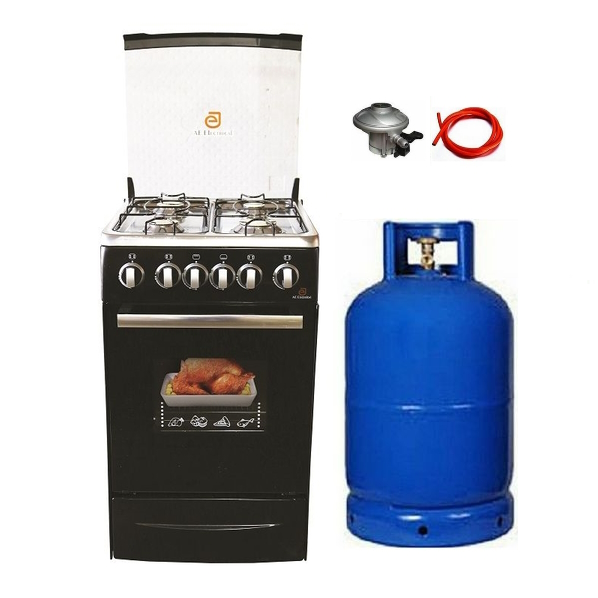
In rural areas where firewood cutting traditionally dominated household energy use, the gradual shift toward LPG has contributed to reducing pressure on forests and curbing deforestation in some communities.
Energy experts say the increased use of gas reflects changing consumer behavior, urbanization and the growing need for efficient domestic energy alternatives.
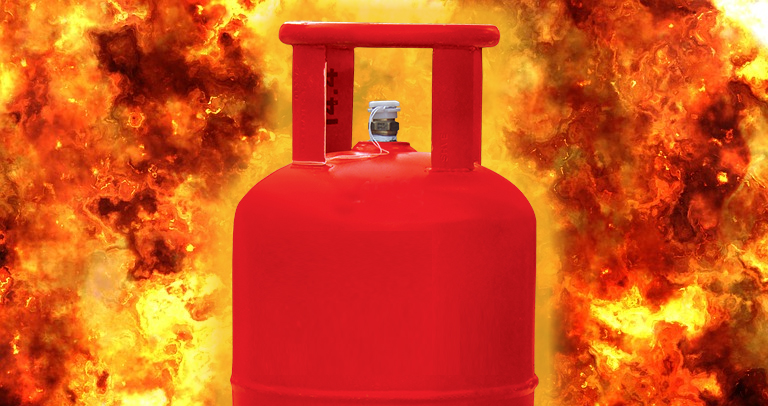
However, while LPG has become a symbol of convenience and energy resilience, its widespread use has also introduced a growing public safety concern.
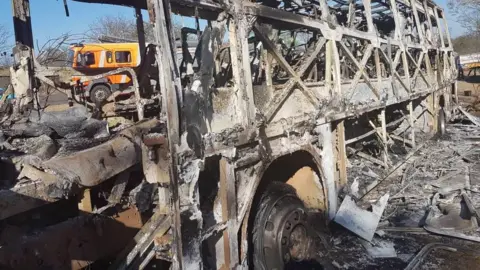
Across the country, reports of gas leaks, cylinder explosions, fires and unsafe handling practices are increasingly leaving families traumatized, businesses destroyed and communities counting losses.
The dangers associated with faulty cylinders, illegal refilling operations, poor installations and unsafe consumer practices have become impossible to ignore.
The issue once again came into focus following a recent inferno in Harare’s central business district where a shop was reduced to ashes, leaving property owners and tenants counting heavy losses.
Authorities believe many more incidents remain unreported, particularly in residential areas and informal settlements where illegal gas refilling activities continue to thrive.
In response to growing public concern, The Post On Sunday contacted the Zimbabwe Energy Regulatory Authority (ZERA) seeking clarity on LPG-related incidents, public safety campaigns and measures being implemented to protect citizens.
In its official response, ZERA revealed alarming statistics showing that LPG accidents continue to rise across the country.
According to the authority, several LPG-related accidents were investigated over the past 24 months across multiple provinces, including Harare, Manicaland, Bulawayo, Mashonaland East, Mashonaland West and Masvingo.
Harare recorded the highest number of incidents, followed by Manicaland.
The authority confirmed that the accidents resulted in injuries, fatalities and significant property damage.
Most concerning, however, was the revelation that the majority of incidents occurred within ordinary households.
ZERA said 53 percent of reported LPG accidents happened in domestic settings during normal household use by consumers.
Another 32 percent occurred at illegal LPG refilling sites, while 11 percent were recorded at licensed retail facilities and four percent at licensed wholesale sites.
The authority identified poor handling and unsafe operation of LPG cylinders and stoves in homes as some of the major causes of accidents.
Illegal refilling practices conducted by unlicensed operators were also singled out as a major danger to public safety.
“The Authority conducts routine and pre-licensing inspections of LPG retail facilities countrywide,” ZERA said in its response.
According to the regulator, 652 LPG retail site inspections were conducted in 2025, compared to 622 inspections in 2024.
The crackdown on illegal operators has also intensified.
ZERA confirmed that 68 illegal LPG retail operators were prosecuted in 2025, compared to 127 prosecutions recorded in 2024.
Authorities say the reduction may indicate improved enforcement efforts, although illegal operations remain widespread in high-density suburbs and informal trading zones.
The energy regulator also highlighted ongoing nationwide consumer awareness campaigns aimed at educating citizens on the safe and efficient use of LPG products.
In 2025 alone, ZERA conducted 113 public awareness campaigns compared to 83 in 2024.
The campaigns focus on safe storage, correct handling of cylinders, emergency response procedures and the dangers associated with illegal refilling activities.
Despite these efforts, the regulator admitted that gaps still exist within the country’s current LPG safety regulations.
“There are a few gaps in the current LPG regulations, and the regulations are being reviewed to close the gaps,” ZERA acknowledged.
Authorities did not provide specific details on the proposed amendments but indicated that regulatory reforms were underway.
ZERA also outlined emergency procedures that members of the public should follow in the event of gas leaks, fires or explosions.
Citizens are advised not to panic, evacuate affected areas immediately, close the gas source if safe to do so, avoid attempting to extinguish fires without proper training, and contact local authority fire departments and relevant emergency agencies.
The authority further encouraged the public to report illegal LPG dealers, particularly those operating from homes or refilling unsafe cylinders.
Reports can be made directly to ZERA or the Zimbabwe Republic Police through official reporting platforms and hotlines.
The growing use of LPG reflects Zimbabwe’s evolving energy landscape and the resilience of consumers who adapted during years of electricity instability.
Yet the rapid expansion of the sector is also exposing the urgent need for stronger regulation, public education, tighter enforcement and safer infrastructure.
As Zimbabwe continues modernizing its energy systems and expanding access to alternative fuel sources, the balance between accessibility, affordability and public safety is increasingly becoming one of the country’s most pressing policy challenges. For many households already burdened by economic hardship, LPG remains a necessity, but behind the convenience of the blue flame lies a growing national concern, one that authorities, businesses and communities can no longer afford to ignore.


More Stories
AHF calls for African countries to unite against debt crisis
Pensioners Left Waiting As Billions Sit In Zimbabwe’s Pension Funds
Tax, Trust and Financial Literacy- Zimbabwe’s Long Struggle With the Obligations of a Modern Economy