




By Evans Jona
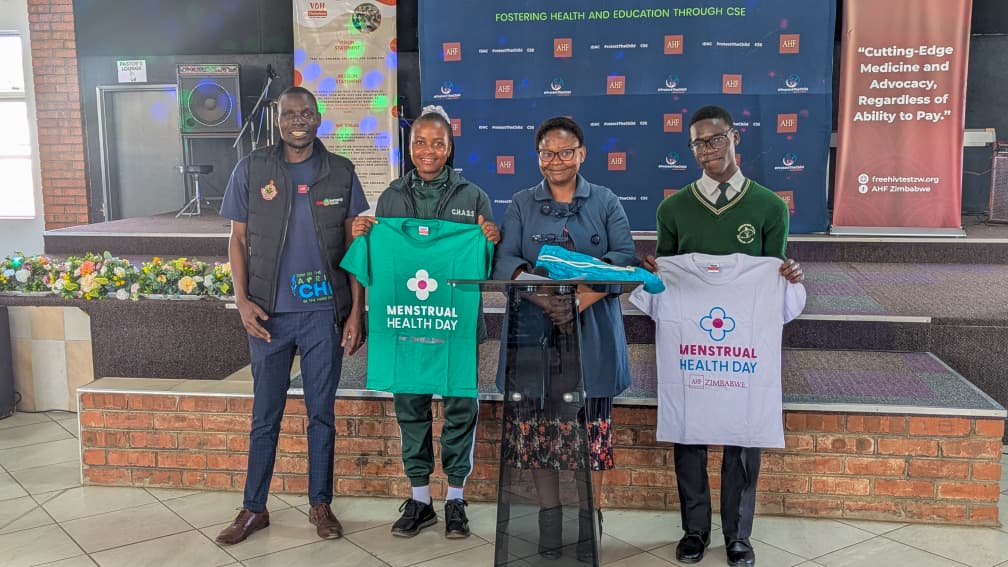
HARARE — The AIDS Healthcare Foundation (AHF) Zimbabwe partnered with the Village of Hope’s Cornelius Hope Academy Primary and Secondary Schools in Westgate, Harare, on June 16, 2026, to commemorate the Day of the African Child by launching an urgent, multi-sectoral call to action under the continental theme, “Ensuring Universal Access to Water, Sanitation, and Hygiene for Every Child in Africa,” a developmental mobilization strategy specifically designed to address the critical infrastructural gaps in clean water and proper sanitation that continuously compromise the health, dignity, educational attainment, and overall well-being of millions of vulnerable children across the African continent.
This high-profile developmental commemoration, which brought together primary and secondary students and public health experts, served as a strategic platform to highlight how the lack of fundamental water, sanitation, and hygiene (WASH) infrastructure directly correlates with high school dropout rates, recurrent outbreaks of preventable waterborne diseases, and the systemic erosion of childhood dignity, thereby necessitating an immediate, coordinated policy shift among regional stakeholders to safeguard the fundamental rights of the African child.
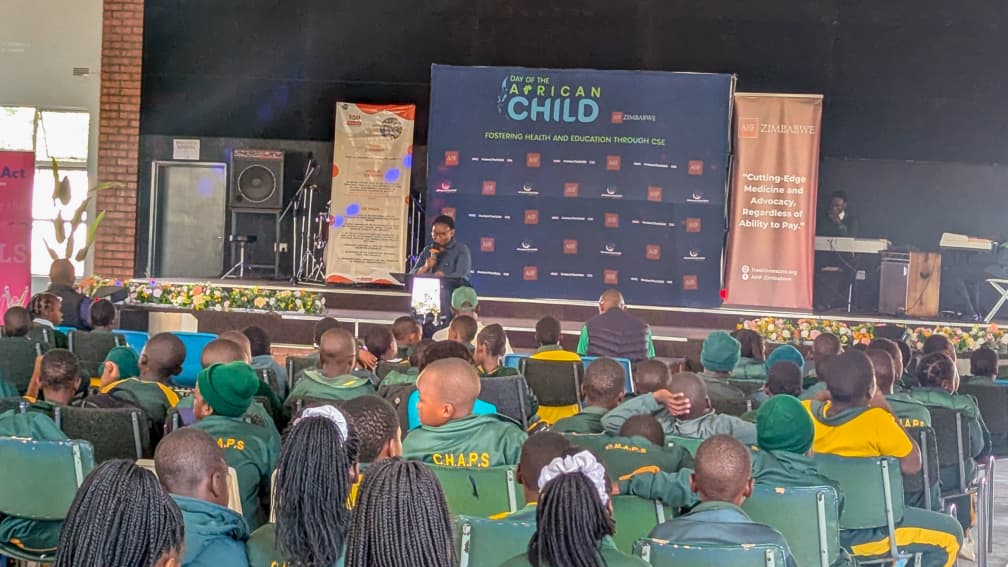
Addressing the gathered delegates and students in the main auditorium of the Cornelius Hope Academy, AHF Zimbabwe Nurse Mentor Fungai Dube delivered a poignant reflection on the intersection of public health and early childhood development, emphasizing that the creation of safe, sanitary, and structurally healthy environments is an absolute prerequisite for enabling children to thrive academically, maintain physical well-being, and ultimately reach their full potential within an increasingly competitive global landscape.
Nurse Mentor Dube further expounded on the medical realities faced by young learners in underfunded educational ecosystems, noting that when basic human rights such as clean running water and private, functional sanitation facilities are absent, children, particularly young girls who face unique menstrual hygiene management challenges, are stripped of their inherent dignity and forced into absenteeism, which significantly derails their long-term socio-economic trajectories.
Amplifying this urgent appeal for structural accountability, AHF National Youth Coordinator Knowledge Nyanhungo challenged the audience and policymakers to move beyond the symbolic platitudes often associated with annual commemorations, demanding instead that the Day of the African Child 2026 serve as an active, legally binding catalyst for community-led infrastructure development, rigorous policy enforcement, and substantial fiscal allocation toward sustainable water security.
Coordinator Nyanhungo underscored that dismantling the historical and systemic barriers keeping African children from accessing clean water requires breaking down institutional silos, fostering transparency in municipal development funds, and establishing robust, cross-sector partnerships between non-governmental organizations, local government authorities, and the private sector to guarantee that no child is left behind due to geographical or economic marginalization.
The strategic objectives outlined during the Westgate symposium directly mirrored the core developmental frameworks intended for the regional advocacy campaign, drawing heavily from the foundational data, youth testimonies, and policy recommendations encapsulated within the comprehensive “DAC Speech.pdf” document, which served as the official literary backbone for the day’s proceedings and guided the drafting of the event’s final resolutions.
The collaborative event concluded with the ratification of a unified community declaration, a formal pledge that positioned universal WASH access not as an idealist milestone or a flexible charitable luxury, but as an enforceable, non-negotiable human right essential to preserving public health, fostering gender equity in classrooms, and unlocking the vast, untapped human capital of Africa’s next generation.



More Stories
Retrenchment Axe Hangs Over TelOne
Printflow Showcases Total Printing And ICT Solutions At Sanganai/Hlanganani Expo
Youth Take Lead in Fight Against Gender-Based Violence