




By Shingirai Vambe
The road to freedom has never been an easy one. Throughout history, humanity’s struggle for liberty has often travelled along a narrow and uncertain path, marked by oppression, exploitation and the constant contest for power. While colonialism may have formally ended across Africa decades ago, many scholars argue that the systems used to dominate people have merely evolved rather than disappeared.
Centuries ago, exploitation was institutionalized through the transatlantic slave trade, where millions of Africans were forcibly removed from their homeland to build economies elsewhere. The physical chains may have been broken, but critics contend that new forms of economic dependency, geopolitical competition and externally fueled conflicts have continued to shape the continent’s destiny.
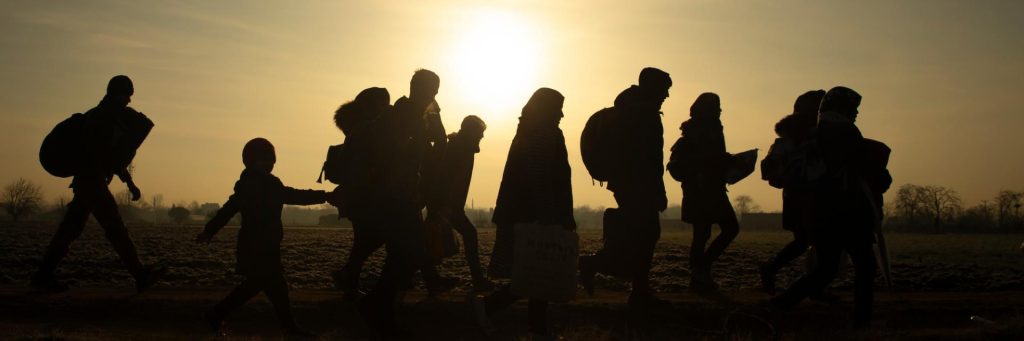
Rather than direct conquest, Africa today has increasingly become a battleground for proxy conflicts, political instability, competition over natural resources and ideological influence. In many instances, these conflicts have displaced millions of ordinary citizens who find themselves trapped between governments, rebel movements and foreign interests.
The consequence has been one of the largest refugee movements in modern African history.
Across the continent, refugee camps have become permanent settlements rather than temporary sanctuaries. Countries such as Uganda, Kenya, Tanzania, Zambia and Zimbabwe have, for decades, hosted thousands of people fleeing violence in neighbouring states.
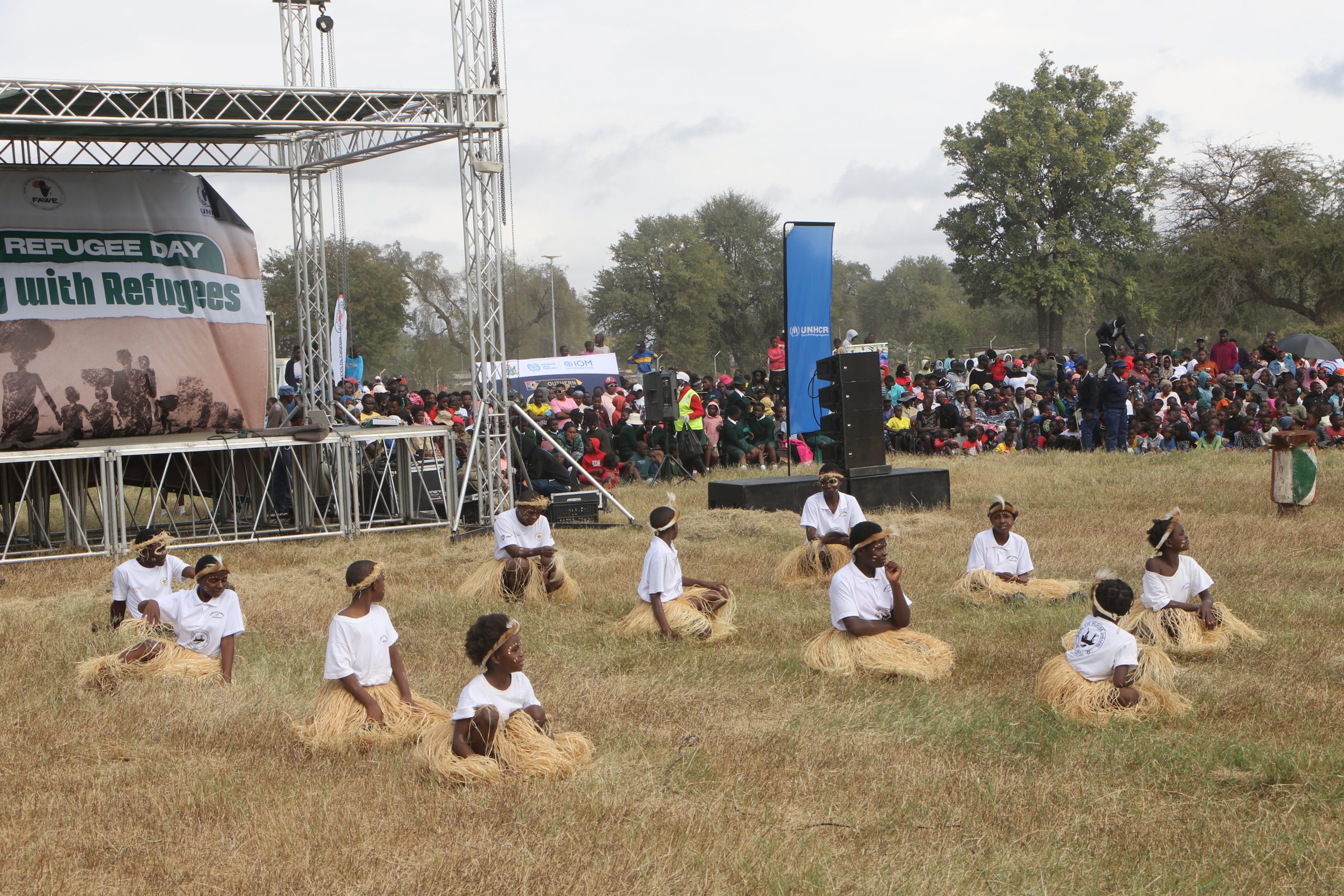
On June 20, Zimbabwe joined the rest of the international community in commemorating World Refugee Day, an occasion dedicated to recognizing the courage and resilience of people forced to flee war, persecution and conflict.
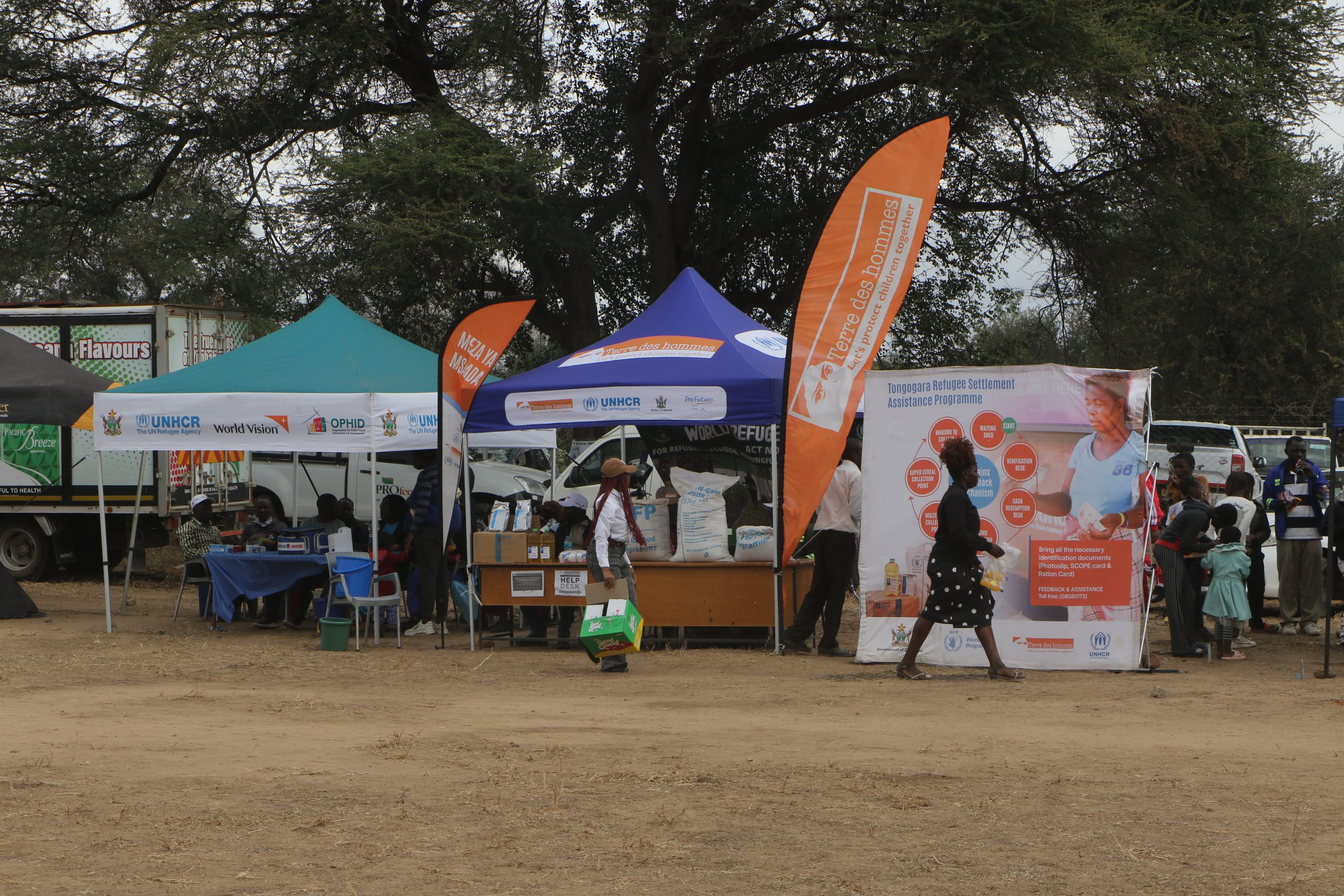
During commemorations held at Tongogara Refugee Settlement in Chipinge, The Post On Sunday had an opportunity to engage refugees, humanitarian organizations, government officials and development partners to better understand life inside one of Southern Africa’s oldest refugee settlements.
While Tongogara is often portrayed simply as a humanitarian centre providing food aid and shelter to displaced populations, conversations with several residents revealed a far more complex reality.
Behind every refugee status lies a different story.
Some continue to depend entirely on humanitarian assistance after losing everything during conflict.
Others have transformed displacement into an opportunity to rebuild businesses, educate their children and establish entirely new lives.
Several refugees from the Democratic Republic of Congo spoke of journeys that stretched across multiple countries before finally reaching Zimbabwe.
One refugee, who requested anonymity because of the sensitivity of the subject, described how migration pathways have changed dramatically over the years.
According to the source, previous refugee resettlement programmes offered by third countries, particularly the United States, once presented what many refugees considered the ultimate opportunity for permanent resettlement.
The source alleged that a significant number of Congolese refugees who initially passed through African refugee camps were eventually resettled in the United States under humanitarian programmes, receiving permanent residence opportunities and, in some cases, eventual citizenship after meeting immigration requirements.
The same source further claimed that these opportunities created a perception among some displaced families that refugee camps could become stepping stones toward resettlement abroad.
According to the refugee, some individuals accepted under resettlement programmes would initially spend several years working to repay travel-related and administrative obligations before fully establishing themselves economically.
The Post On Sunday could not independently verify the operational arrangements described by the source, and refugee resettlement programmes are administered under strict international procedures involving host governments, the United Nations High Commissioner for Refugees (UNHCR) and receiving countries.
However, several refugees acknowledged that international resettlement opportunities have significantly declined in recent years.
Many attributed this to changing immigration policies in traditional resettlement countries, particularly the United States, where refugee admissions have fluctuated depending on successive administrations and broader immigration reforms.
As a result, thousands who may once have anticipated relocation abroad are increasingly choosing to establish long-term lives within Zimbabwe itself.
For many Congolese refugees, survival has shifted from waiting for resettlement to building livelihoods.
Interviews conducted by this publication suggest that a significant number have established themselves as entrepreneurs, particularly within Harare’s bustling informal trading sector.
Areas commonly referred to as “Kuma Tuckshops” in the capital have become home to numerous small businesses operated by Congolese traders dealing in groceries, clothing, electronics, household goods and general merchandise.
Several traders explained that while they remain officially registered residents of Tongogara Refugee Settlement, much of their economic activity now takes place hundreds of kilometres away in Harare.
According to individuals familiar with operations inside the settlement, many refugees periodically return to Tongogara during official registration, verification or census exercises before resuming their businesses in the capital.
One businessman, Serge Mukendi, shared his remarkable journey with The Post On Sunday.
Mukendi said he fled the Democratic Republic of Congo by road after conflict disrupted his life.
Upon arriving in Zimbabwe, he relied on a handful of diamonds he had managed to bring with him.
After selling them, he raised enough capital to establish a small grocery business.
Years later, that modest investment has enabled him to build a sustainable livelihood far removed from the violence that forced him to leave home.
His story reflects the entrepreneurial resilience demonstrated by many refugees who refuse to be defined solely by humanitarian dependence.
Walking through Tongogara Refugee Settlement presents two contrasting realities.
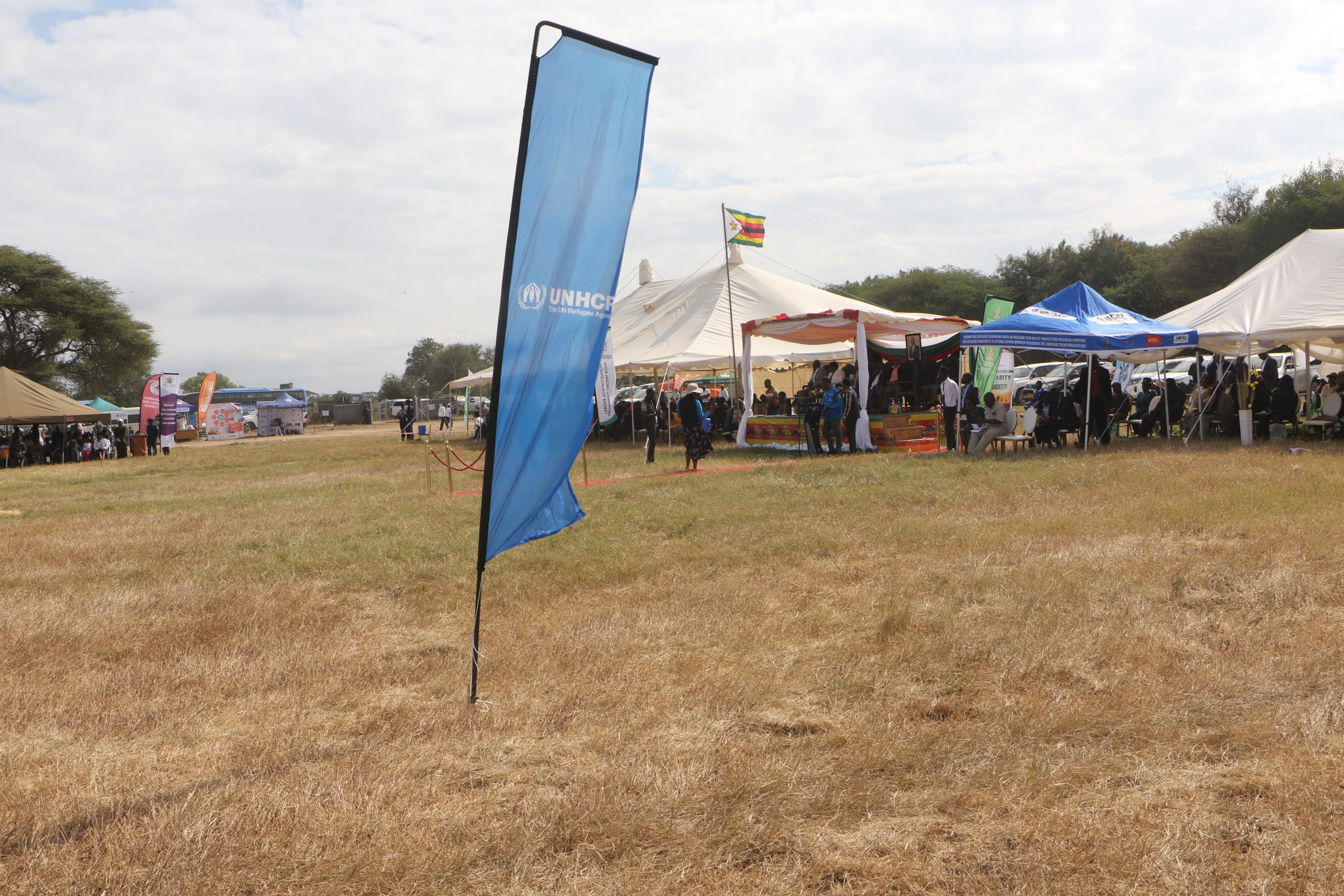
At first glance, visitors encounter families living in modest accommodation, humanitarian food distribution centres and vulnerable people who continue to depend on international assistance for survival.
Yet beneath that humanitarian image exists another community filled with skilled artisans, teachers, mechanics, traders, farmers and entrepreneurs who are quietly rebuilding their futures.
For many refugees, displacement has become not only a struggle for survival but also an opportunity to begin again.
Development partners have played an indispensable role in making that transformation possible.
International organisations continue to fund food assistance programmes, healthcare, education, infrastructure development, renewable energy projects and livelihood initiatives designed to promote self-reliance.
Private sector companies have also partnered with humanitarian agencies to construct schools, support agricultural production, develop irrigation schemes and finance income-generating projects benefiting both refugees and host communities.
These investments have gradually shifted refugee assistance away from perpetual dependency towards sustainable economic empowerment.
Nonetheless, humanitarian organisations acknowledge that significant needs remain.
Many refugees continue to require food assistance, psychosocial support, healthcare services and educational opportunities, particularly vulnerable children, women, the elderly and persons living with disabilities.
The challenge for Zimbabwe, like many refugee-hosting nations across Africa, lies in balancing humanitarian obligations with limited national resources while simultaneously promoting social cohesion between refugees and surrounding communities.
The experience of Tongogara Refugee Settlement ultimately illustrates a broader truth about forced displacement.
Not every refugee remains trapped in dependency.
Some arrive with professional skills, business experience and remarkable determination. Others rebuild their lives from virtually nothing. While conflict strips people of their homes, it does not necessarily strip them of their ambition.
For many of Tongogara’s residents, Zimbabwe has become more than a place of asylum.
It has become a place of second chances, a country where survival has gradually given way to entrepreneurship, resilience and hope, even as the dream of one day returning home remains alive for some and increasingly distant for others.


More Stories
Marital Feud Escalates Into Gun Drama in Rusape
Zimbabwe’s Export Engine Fires Up
Southern Africa Rethinks Energy Security as Zimbabwe Pushes Regional Power Integration