





Is Farming Becoming a Gamble?
By Shingirai Vambe
Zimbabwe’s agriculture sector, long celebrated as the backbone of the country’s economy and a critical source of export earnings, is once again facing a harsh reality. From maize fields devastated by erratic weather patterns to tobacco auction floors overwhelmed by delays, low prices and mounting farmer frustrations, the 2026 agricultural season is increasingly becoming a symbol of a sector under immense pressure.
Speculative activity in commodity markets has been blamed by some analysts for contributing to food price volatility, making staple foods more expensive for ordinary consumers while exposing producers to unpredictable market swings.
While policymakers continue to promote agriculture as a pillar of economic growth, thousands of farmers across the country are questioning whether farming remains a viable business or has become little more than a gamble with nature, markets and policy uncertainty.
The unfolding crisis at tobacco auction floors has become the most visible manifestation of these concerns.
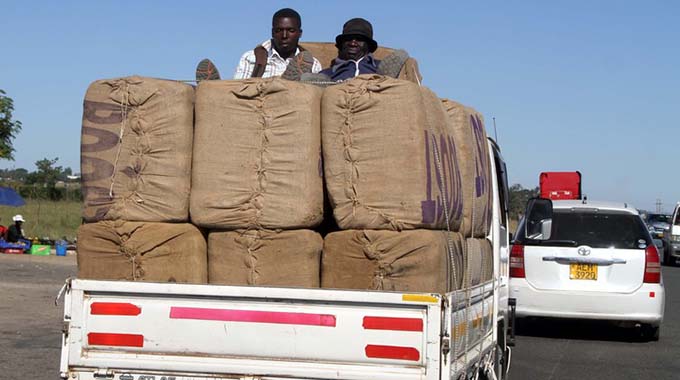
Across major tobacco-selling centres, particularly in Karoi and other farming hubs, transporters are stranded for days and sometimes weeks as queues stretch endlessly. Farmers who invested heavily in producing the country’s prized golden leaf are watching helplessly as bales remain unsold while operational costs continue to accumulate.
Industry players describe a market system that is grinding to a halt.
Floors that reportedly handled as many as 3 500 bales per day are now processing as few as 500, creating severe bottlenecks throughout the value chain. The slowdown has coincided with collapsing prices, with some farmers reportedly receiving as little as 60 United States cents per kilogramme for tobacco that cost significantly more to produce.
Yet behind the visible chaos at the auction floors lies a deeper structural problem.
An estimated 89 percent of Zimbabwe’s more than 106 000 small-scale tobacco farmers operate under contract farming arrangements. While the model has significantly increased production over the years, many growers argue that it has also trapped them in cycles of debt.
By the time deductions for seed, fertiliser, chemicals, transport, financing costs and various service charges are made, many farmers say little remains from the proceeds of their tobacco sales.
“Once debts are paid, very little is left,” one grower explained.
“We borrow to plant and then spend months working in the fields only to discover that the loan consumes nearly everything when we sell.”
The crisis is unfolding against the backdrop of broader concerns about the country’s agricultural performance following the 2025/26 summer cropping season.
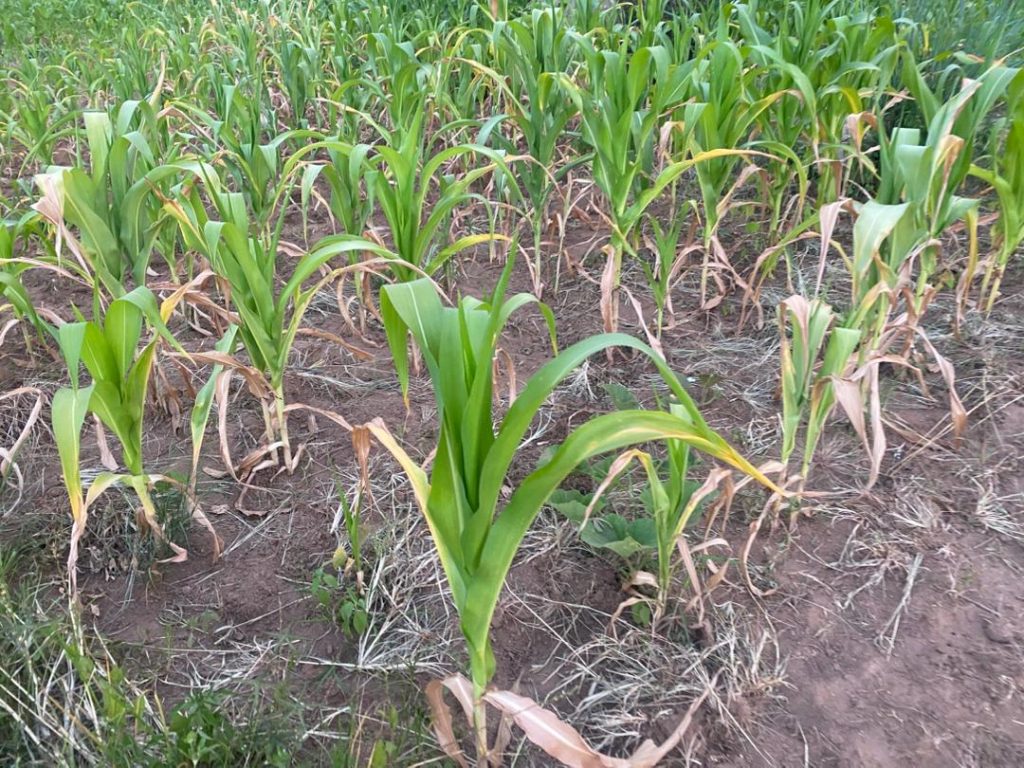
Zimbabwe received generally favourable rains at the beginning of the season, raising hopes for a bumper harvest. However, those hopes were gradually dashed as excessive rainfall during critical crop growth stages was followed by prolonged dry spells that affected both food and cash crops.
Many maize farmers suffered significant losses, while tobacco growers reported quality challenges linked to changing weather patterns.
The developments have prompted renewed questions about the country’s preparedness for climate change and food security.
The Ministry of Agriculture has yet to provide comprehensive answers to concerns raised by farmers and stakeholders regarding the expected national grain harvest and the possibility of food shortages in vulnerable communities.
Questions also remain over what contingency measures government is putting in place should maize production fall short of national requirements.
Beyond the immediate challenges, there are growing calls for government to explain what long-term investments are being made in irrigation development, climate-smart agriculture, drought-resistant seed varieties and early warning systems.
With floods, droughts and erratic rainfall increasingly becoming regular features of Zimbabwe’s agricultural landscape, many experts argue that dependence on rain-fed agriculture is becoming unsustainable.
The tobacco sector itself presents another layer of complexity.
Government officials, including Agriculture Minister Anxious Masuka, have acknowledged concerns over low prices and delays at auction floors. During a recent visit to tobacco selling centres, the minister reportedly described the situation as unacceptable and pledged engagement with stakeholders.
However, farmers and industry observers argue that broader questions remain unanswered.
Chief among them is why tobacco producers continue to receive prices that many consider unsustainable despite rising production costs.
Growers argue that the gap between what it costs to produce tobacco and what they ultimately receive has widened significantly over recent seasons.
There are also increasing demands for transparency within the tobacco industry.
Persistent allegations and public perceptions continue to circulate regarding the ownership structures of tobacco auction floors, contracting companies and other businesses operating within the tobacco value chain.
Although no evidence has been publicly produced to substantiate claims that politically connected individuals or senior government officials have interests in some of these entities, the rumours have become widespread enough to generate public concern.
Farmers and stakeholders are now calling on authorities to clarify ownership structures, strengthen transparency mechanisms and ensure that the tobacco marketing system operates fairly and competitively.
The debate extends beyond pricing and ownership.
Zimbabwe remains one of the world’s leading tobacco producers and continues to earn significant foreign currency from tobacco exports. Yet many growers argue that they remain trapped at the lowest end of the value chain while substantial profits are realized through processing, manufacturing and international trade.
Questions are therefore being raised about what concrete measures government is taking to promote local beneficiation, value addition and greater farmer participation in higher-value segments of the tobacco industry.
Many farmers believe that unless they gain access to processing and manufacturing opportunities, they will continue to bear the risks of production while others reap the rewards further along the chain.
The crisis has also revived a broader philosophical debate about the nature of farming itself.
Year after year, farmers are encouraged to increase production in support of national food security and export earnings. Yet many producers say they are trapped in a cycle characterized by climate-related losses, fluctuating commodity prices, mounting debt and policy uncertainty.
The question increasingly being asked in farming communities is whether agriculture remains a business or has become a gamble.
The comparison is not entirely misplaced.
Farmers invest substantial resources at the beginning of every season without any guarantee of success. Their fortunes depend on rainfall patterns, pest outbreaks, disease pressure, input availability, market conditions and global commodity prices, many of which are beyond their control.
A season can begin with optimism and end in disaster due to factors that no individual farmer can influence, adding another dimension to the debate is the growing role of financial markets in agriculture globally.
Internationally, critics argue that food, land and water are increasingly being treated as financial assets rather than essential human needs.
Global events such as climate change, geopolitical conflicts, supply chain disruptions and economic shocks continue to influence agricultural commodity prices in ways that often leave farmers vulnerable.
Zimbabwe’s tobacco growers now find themselves caught at the intersection of these local and global pressures. As the 2026 marketing season continues, the questions facing policymakers are becoming more urgent, can government restore confidence in the tobacco sector?
Can farmers receive fair returns for their labour and investment?
Can climate resilience measures protect future harvests?
Can transparency be guaranteed within the agricultural value chain?
And perhaps most importantly, can Zimbabwe create an agricultural system where farmers are not merely surviving from one season to the next but are able to build sustainable and profitable businesses?




More Stories
AHF calls for African countries to unite against debt crisis
Pensioners Left Waiting As Billions Sit In Zimbabwe’s Pension Funds
Tax, Trust and Financial Literacy- Zimbabwe’s Long Struggle With the Obligations of a Modern Economy