





The Post On Sunday
In the bustling city of Maputo, what once seemed like petty crime has spiralled into a full-blown urban crisis. Across the capital, manhole and drainage covers are vanishing from streets at an alarming rate, leaving gaping holes that endanger motorists, cyclists, and pedestrians alike. But beneath what appears to be simple vandalism lies a complex web of economic desperation, industrial greed, and international demand that is quietly reshaping Mozambique’s scrap-metal industry.
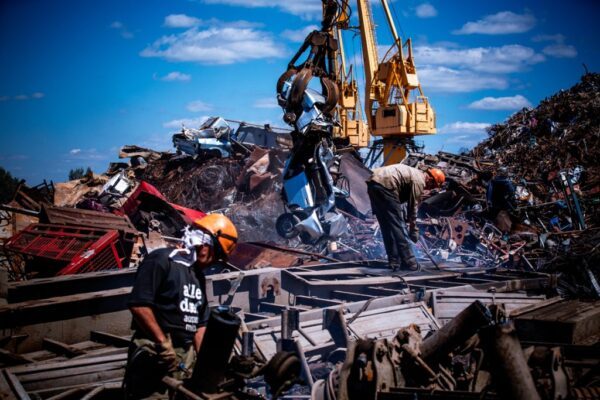
Over the past year, the theft of metal infrastructure has surged dramatically, driven by the lucrative scrap-metal trade that has become one of the fastest-growing informal businesses in the country. Authorities believe that much of the stolen material ultimately ends up in local scrap yards before being exported — often to supply the insatiable appetite of Chinese foundries and manufacturing industries hungry for cheap raw materials such as iron and steel.
In response, the Maputo City Council has launched a coordinated crackdown. A multi-sector task force composed of officers from the Municipal Police (PM) and the Municipal Sanitation and Drainage Company (EMSD) has begun sweeping inspections of scrap yards, recycling centres, and metal-sales depots across the city. Their mission is twofold: to trace stolen drainage covers and other public infrastructure components, and to dismantle the chain of illicit trade that fuels this growing underground economy.
“Our inspections are not merely punitive — they are preventive,” said a senior municipal official involved in the operation. “We are targeting those who knowingly buy stolen metal, while also educating scrap-yard owners about the consequences of their participation in this criminal economy.”
A Trade Born of Necessity — and Exploited by Demand
What began as small-scale scavenging by unemployed youth has evolved into a thriving black-market trade. With Mozambique’s sluggish economy, limited formal employment opportunities, and persistent inflation, the scrap-metal business offers fast cash, sometimes the only source of income for thousands of informal workers.
But what many see as a survival strategy has become a national liability. Metal theft is no longer limited to manhole covers. Public lighting poles, railway fittings, water pipes, and even telecommunications cables are being stripped and sold by the kilogram. Each theft not only disrupts critical infrastructure but also forces the government to divert scarce public funds to repair and replacement projects.
Economists warn that this underground industry, though superficially profitable, is hollowing out the formal economy. The more local scrap is exported, the less domestic industry benefits, as manufacturers and construction firms struggle to source affordable materials.
“The issue is not just theft, it’s that Mozambique’s metal resources are being extracted informally and sold abroad at the expense of local development,” explained a Maputo-based economic analyst. “China’s industrial demand is shaping local criminal economies across Africa, and Mozambique is no exception.”
The consequences of this trade are visible on nearly every street corner. Open drainage channels have become deadly traps, especially during the rainy season, when flash floods conceal missing covers. Municipal records show a sharp rise in accidents involving pedestrians and vehicles, some of them fatal.
For the EMSD, which manages the city’s sanitation and drainage network, the losses are staggering. Replacing a single cast-iron cover can cost up to US$400, excluding labour and transport. With more than 190 covers stolen in just a few months, the economic damage quickly multiplies.
Last month, city authorities announced a project to replace 193 stolen drainage covers, beginning with 30 tonnes of new fittings. But officials admit that replacement alone cannot solve the problem as long as the underlying black market remains profitable.
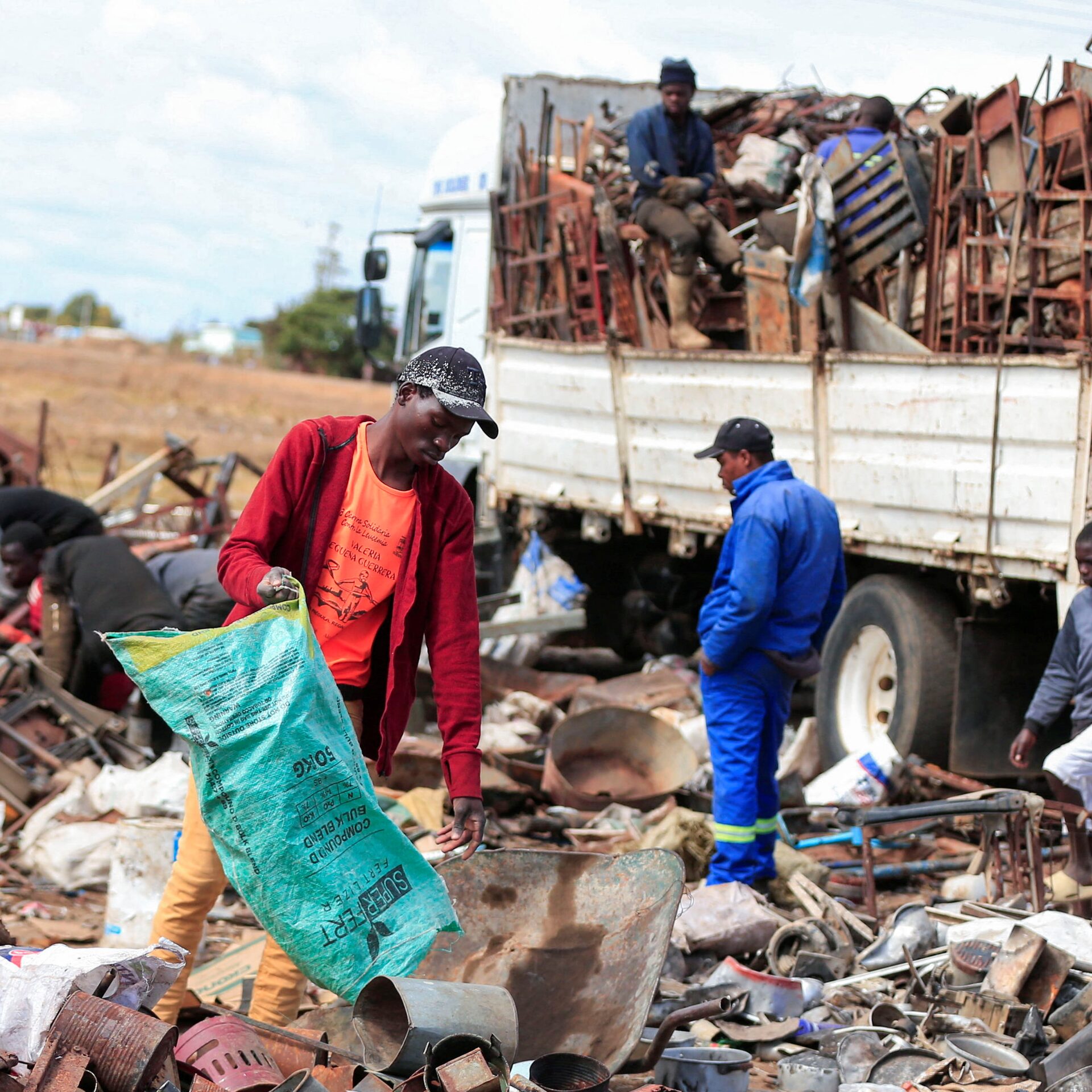
The ongoing inspections at scrap-yards have already yielded some results, with several operators reportedly found in possession of suspicious materials matching the dimensions of municipal covers. However, enforcement is complicated by the informal nature of the trade. Many transactions are conducted in cash, without records, making it nearly impossible to trace stolen goods once they enter the scrap supply chain.
To counter this, authorities are not only conducting raids but also running awareness campaigns. Scrap-yard owners are being urged to verify the source of metals they purchase and to report sellers unable to provide proof of ownership.
“We are appealing to the conscience of business owners,” said one Municipal Police officer. “If they stop buying stolen metal, this trade will collapse.”
While law enforcement focuses on curbing the illicit side of the trade, the Maputo Municipal Council is also looking inward, strengthening local governance and public-service management. In parallel with the inspection operations, the Council recently trained over 100 public restroom managers operating in municipal markets and along public roads.
According to Councilor for Economic Activities and Tourism, Alexandre Muianga, the aim is to professionalize service delivery and improve hygiene standards in public facilities. “Good management in basic services builds trust between citizens and the municipality,” he said, emphasizing that civic responsibility begins with small, visible acts of order and accountability.
Mozambique’s growing scrap-metal trade reflects a global paradox. On one hand, recycling metal is environmentally beneficial and economically efficient. On the other, when poorly regulated, it becomes a magnet for theft and corruption, eroding the very infrastructure that supports urban life.
Unless the trade is properly monitored and formalized, experts warn, Mozambique risks losing control of an industry that could otherwise generate legitimate revenue and jobs.




More Stories
Zimbabwe’s Export Engine Fires Up
Southern Africa Rethinks Energy Security as Zimbabwe Pushes Regional Power Integration
AHF calls for African countries to unite against debt crisis