






While Trump said they have militarily overpowered Iran…
The Post On Sunday
The fragile ceasefire in the Middle East, which had raised cautious global optimism for a possible breakthrough, has instead descended into a tense deadlock, exposing deep divisions between the United States and Iran, and raising fears of a renewed escalation in conflict with far-reaching global consequences.
High-stakes peace talks held in Islamabad, Pakistan, stretching late into the night, ultimately failed to produce a consensus, with both sides standing firm on their positions. The United States delegation, led by Vice President JD Vance, entered the negotiations with expectations that Iran, weakened by sustained military pressure, would be more amenable to compromise. However, Iranian officials refused to concede to what they described as “excessive demands,” underscoring the widening trust deficit between the two nations.
At the heart of the impasse lies the strategic Strait of Hormuz, a critical global oil artery through which nearly 20 percent of the world’s oil and liquefied natural gas supplies pass. Iran has asserted firm control over the waterway, with senior officials declaring it a “red line” and insisting that any passage through the strait would now come at a cost. The stance has sent shockwaves across global energy markets, contributing to a sharp rise in fuel prices and intensifying economic pressures worldwide.
The geopolitical tensions have been further inflamed by direct military confrontations involving the United States and Israel against Iran, with Tehran accusing Washington of being the principal aggressor in the conflict. Reports that Iran’s top leadership figure was killed in an initial wave of attacks have only deepened hostilities, hardening Iran’s negotiating posture and reinforcing its resistance to external pressure.
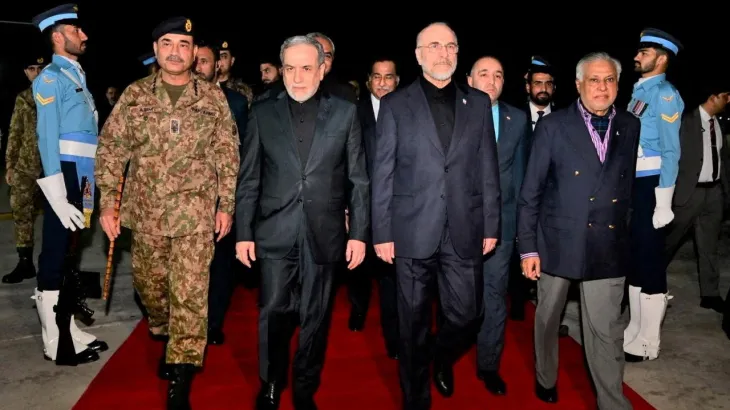
Despite claims by the United States that efforts are underway to secure safe navigation through the Strait of Hormuz, Iran has rejected such assertions, warning that any unauthorized military passage would be met with force. The situation remains volatile, with both sides accusing each other of violating ceasefire conditions even before a formal agreement could be reached.
Compounding the crisis is an ongoing internet blackout in Iran, now stretching beyond six weeks, which has severely limited the flow of information and heightened concerns over transparency, human rights, and economic disruption within the country.
Analysts say the breakdown in talks reflects not just immediate disagreements, but a deeper structural conflict shaped by years of mistrust, competing geopolitical interests, and unresolved issues surrounding Iran’s nuclear ambitions. The United States continues to push for firm assurances that Iran will not pursue nuclear weapons capabilities, while Tehran maintains that its programme is strictly peaceful.
Meanwhile, the broader Middle East remains on edge. Attacks on critical oil infrastructure, including facilities in Saudi Arabia, have disrupted supply chains and forced key producers to reroute exports, further straining already fragile global energy systems. In Lebanon, ongoing hostilities continue to displace populations and raise concerns over potential war crimes, adding another layer of complexity to an already volatile region.
The collapse of the Islamabad talks now places the United States at a strategic crossroads: whether to escalate military pressure or return to the negotiating table in pursuit of a longer-term diplomatic solution. For Iran, the outcome reinforces its position that it still holds significant leverage, particularly through its control of vital energy routes.
While both sides have indicated that diplomacy is not entirely off the table, the current stalemate signals that any meaningful resolution is likely to be prolonged and fraught with setbacks. As global markets react and tensions simmer, the world watches closely, aware that the outcome of this confrontation could reshape not only the Middle East, but the broader international order.




More Stories
Zimbabwe’s Export Engine Fires Up
Southern Africa Rethinks Energy Security as Zimbabwe Pushes Regional Power Integration
AHF calls for African countries to unite against debt crisis