






By Post Reporter
Farmers in Chiredzi have raised concern over escalating production costs, limited access to affordable financing, and inconsistent input supply, warning that the sugarcane subsector is operating under mounting pressure.
Speaking during and after the recently concluded workshop hosted by the National Employment Council for the Agricultural Industry in Zimbabwe (NEC Agriculture) at Palm Tree Place in Chiredzi, several growers said the sector must urgently rethink its approach to sourcing inputs and funding operations.
Participants noted that the high cost of fertilisers and herbicides has significantly eroded profitability, with some farmers urging their peers to explore alternative suppliers and innovative procurement models.
“We need to start thinking outside the box,” one farmer said during deliberations. “If traditional supply chains are no longer affordable, we must explore better options collectively.”
The call comes amid growing frustration over input pricing structures, which farmers say are no longer aligned with the realities of cane production margins.
Delivering closing remarks at the workshop, Mrs Bernadette Chipembere Tamba commended NEC Agriculture for initiating direct engagement with farmers, describing it as a progressive step toward strengthening industrial relations in the sector.
She urged other institutions, including the National Social Security Authority (NSSA), to adopt a similar approach.
“Contributors need to understand why they are contributing and how they benefit,” she said, stressing that greater transparency and dialogue would help bridge knowledge gaps between institutions and stakeholders.
Mrs Tamba acknowledged that the sugarcane industry is grappling with significant structural challenges and appealed for collaborative support mechanisms, including subsidised fertilisers and herbicides, to ease the burden on producers.
Another farmer, Mrs Trish Huni, echoed the concerns, describing the business environment as increasingly unsustainable.
“This is no longer as viable as it used to be,” she said. “Bank funding has become too expensive and inaccessible for many of us. Interest rates are simply prohibitive.”
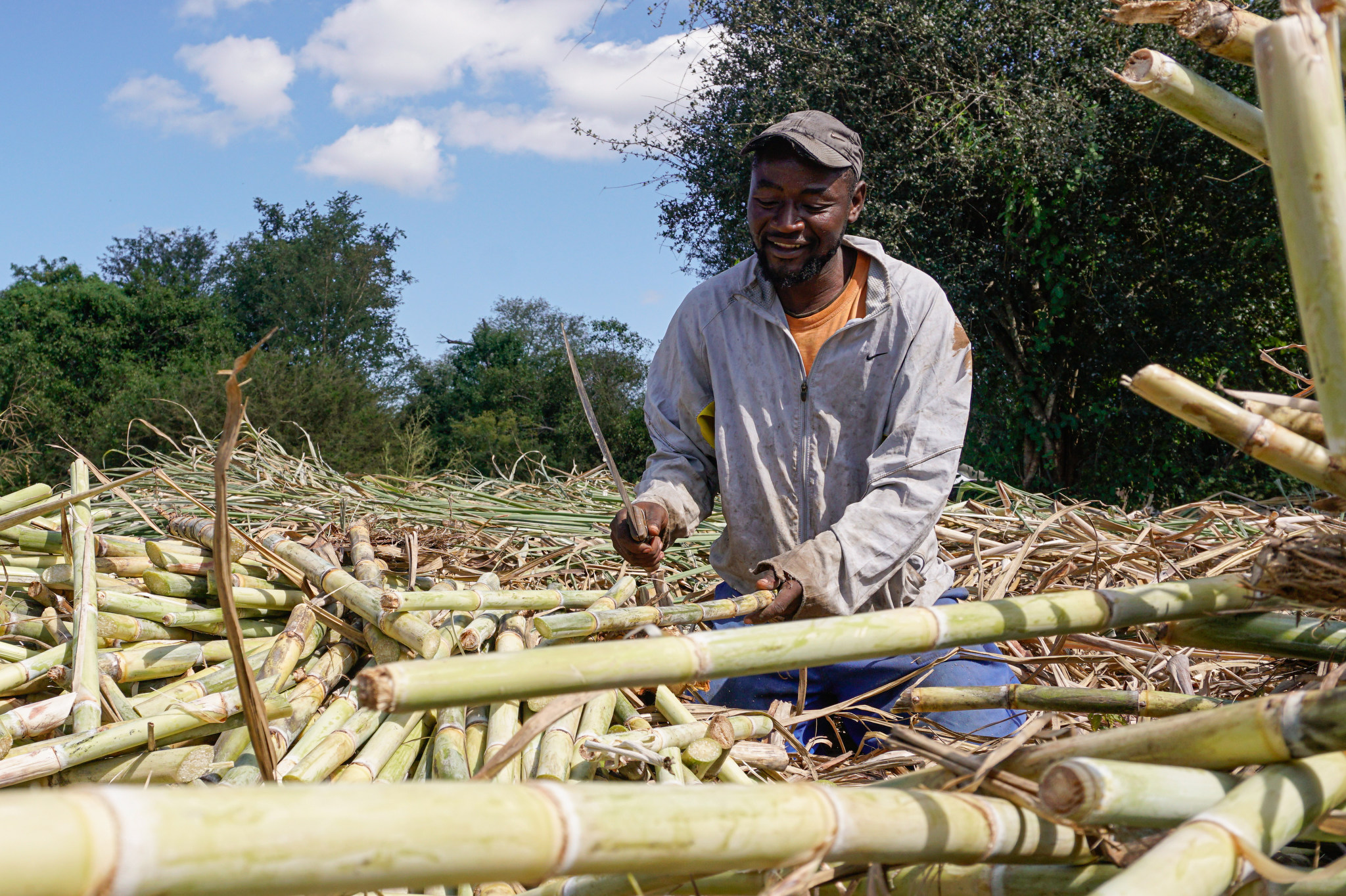
Farmers indicated that high borrowing costs have constrained their ability to reinvest in equipment, inputs and workforce welfare. Some admitted struggling to provide adequate protective clothing and other essential resources for employees.
The sector, they noted, has historically played a critical employment role in the Lowveld, offering opportunities even to those with limited formal education. However, new challenges are emerging.
According to farmers who spoke to this publication, many job seekers arriving at farms lack formal training, while others do not possess basic documentation such as birth certificates, factors that complicate formal employment processes.
Responding to these concerns in an earlier interview, NEC Agriculture Chief Executive Officer David Madyausiku said the council is actively pursuing partnerships aimed at strengthening both safety standards and financial resilience within the sector.
He confirmed that NEC Agriculture has partnered with the Traffic Safety Council of Zimbabwe to facilitate training for tractor operators, motorcycle riders and truck drivers in farming communities.
In addition, the council has entered into collaboration with the Agricultural Finance Corporation (AFC Bank) to improve farmers’ access to more affordable funding facilities.
The funding partnership, Madyausiku said, is designed to cushion growers from commercial lending rates that many now consider unsustainable.
The discussions in Chiredzi painted a picture of an industry at a crossroads, one with strong employment potential and economic significance, yet constrained by financial and operational pressures.
While farmers expressed appreciation for NEC Agriculture’s outreach and willingness to engage directly with stakeholders, more is expected, they were clear that dialogue alone will not resolve the structural challenges facing the sugarcane subsector.




More Stories
Retrenchment Axe Hangs Over TelOne
Zimbabwe’s Export Engine Fires Up
Zimbabwe Power Supply Improves as Energy Sector Turns Corner