



State Capture Reloaded?…
By Senior Reporter
What was initially presented as a routine engagement between two neighboring states has rapidly spiraled into a politically explosive controversy, after conflicting accounts emerged over the recent visit by South African President Cyril Ramaphosa to Zimbabwe.
While authorities in Harare described the engagement as a “private visit,” officials and political voices in South Africa characterized it as an official working engagement, exposing widening contradictions that have now ignited fierce debate across the region. The confusion surrounding the nature of the trip has opened what critics describe as a “can of worms,” raising uncomfortable questions about transparency, diplomacy, corruption, and the growing political crisis engulfing Zimbabwe.
The visit came at a particularly sensitive moment for both countries. In South Africa, tensions over illegal immigration have intensified, with sections of society openly protesting against undocumented foreigners, many of them Zimbabweans who crossed the Limpopo seeking economic survival and political refuge. Yet despite the worsening migration crisis and increasing xenophobic violence targeting foreign nationals, observers noted with concern that these issues reportedly did not dominate discussions during the high-profile meeting.
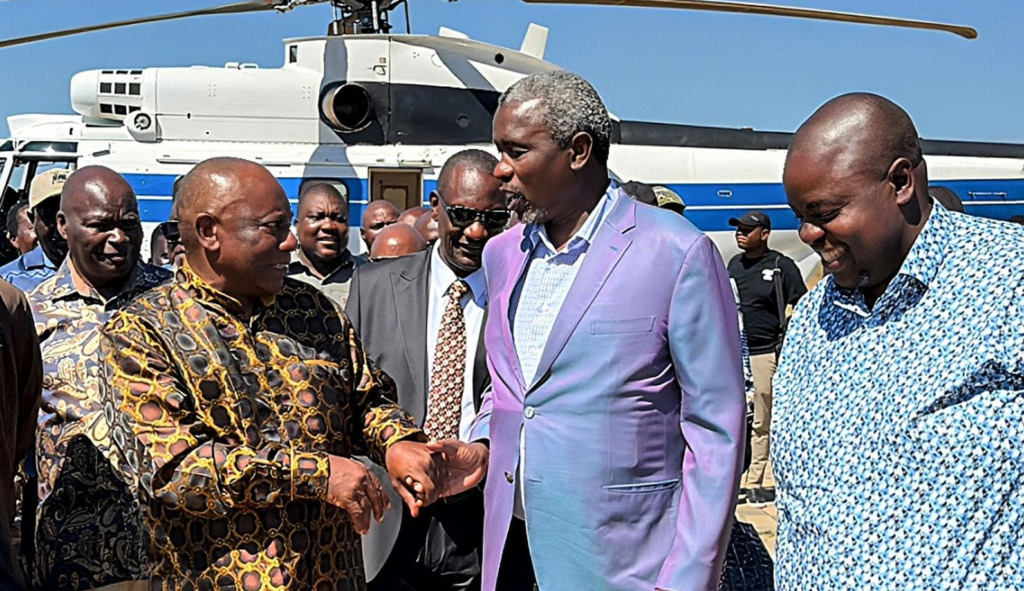
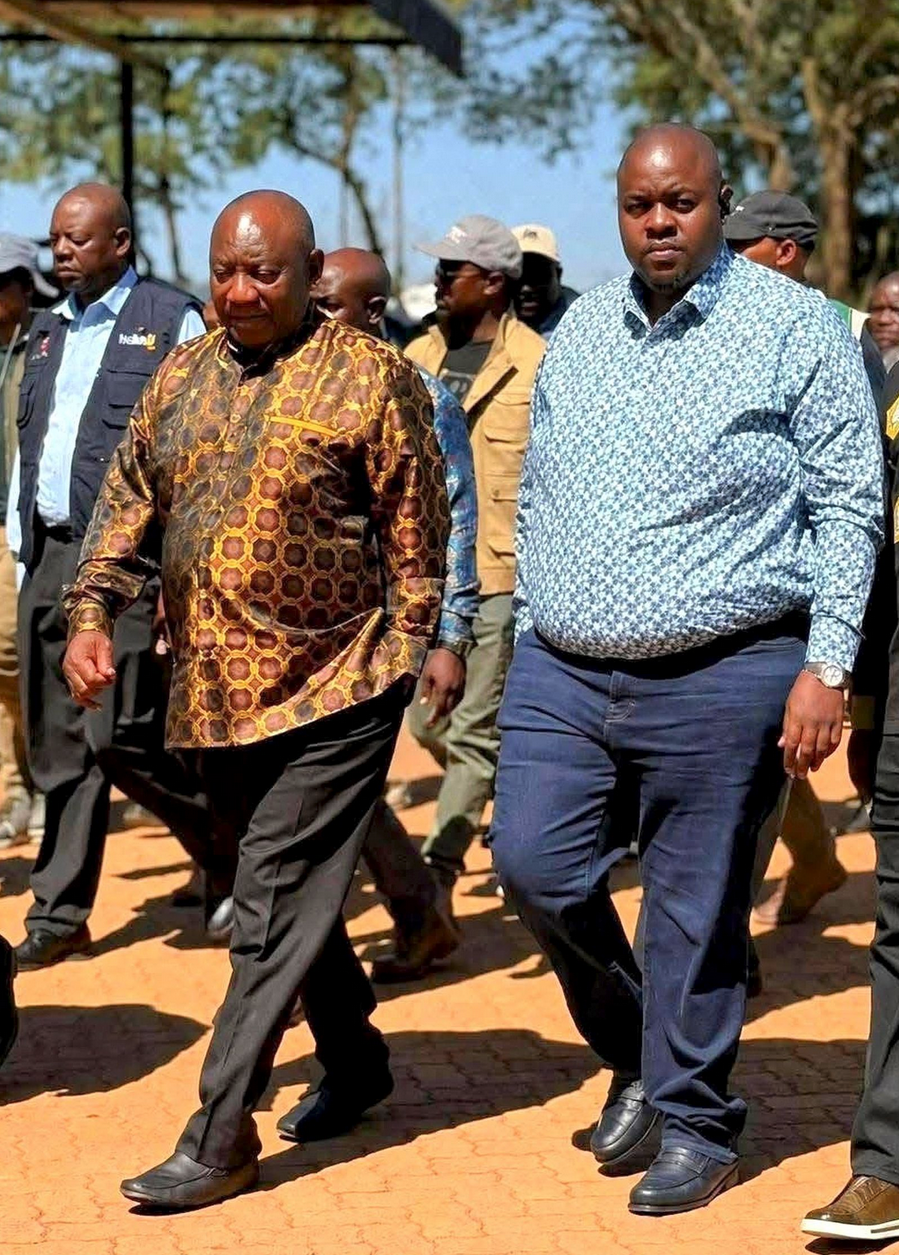
Instead, public attention shifted toward the presence of controversial businessmen Kudakwashe Tagwirei and Wicknell Chivayo at Precabe Farm, where President Ramaphosa reportedly met Zimbabwean President Emmerson Mnangagwa. The two businessmen, frequently referred to by critics as the “Zimbabwean Guptas,” have long been associated with allegations of political influence, controversial state contracts, and opaque business dealings.
Their appearance alongside the South African leader immediately triggered outrage from opposition parties in Pretoria, particularly the Democratic Alliance (DA), which accused Ramaphosa of fraternizing with individuals linked to state capture-style politics.
DA International Relations spokesperson Ryan Smith launched a scathing attack on the South African presidency, arguing that the visit was cloaked in secrecy and contradicted the democratic values that South Africa claims to champion.
According to Smith, the trip raised more questions than answers.
He questioned why the visit lacked the formal trappings of a state engagement, including official communication from the presidency, ministerial accompaniment, and public diplomatic briefings. The fact that the meeting reportedly took place at President Mnangagwa’s private farm only deepened suspicions.
Smith argued that the timing of the visit was equally troubling, coinciding with Zimbabwe’s controversial Constitutional Amendment Bill No. 3, which critics say seeks to extend presidential term limits and further consolidate executive authority under ZANU-PF rule.
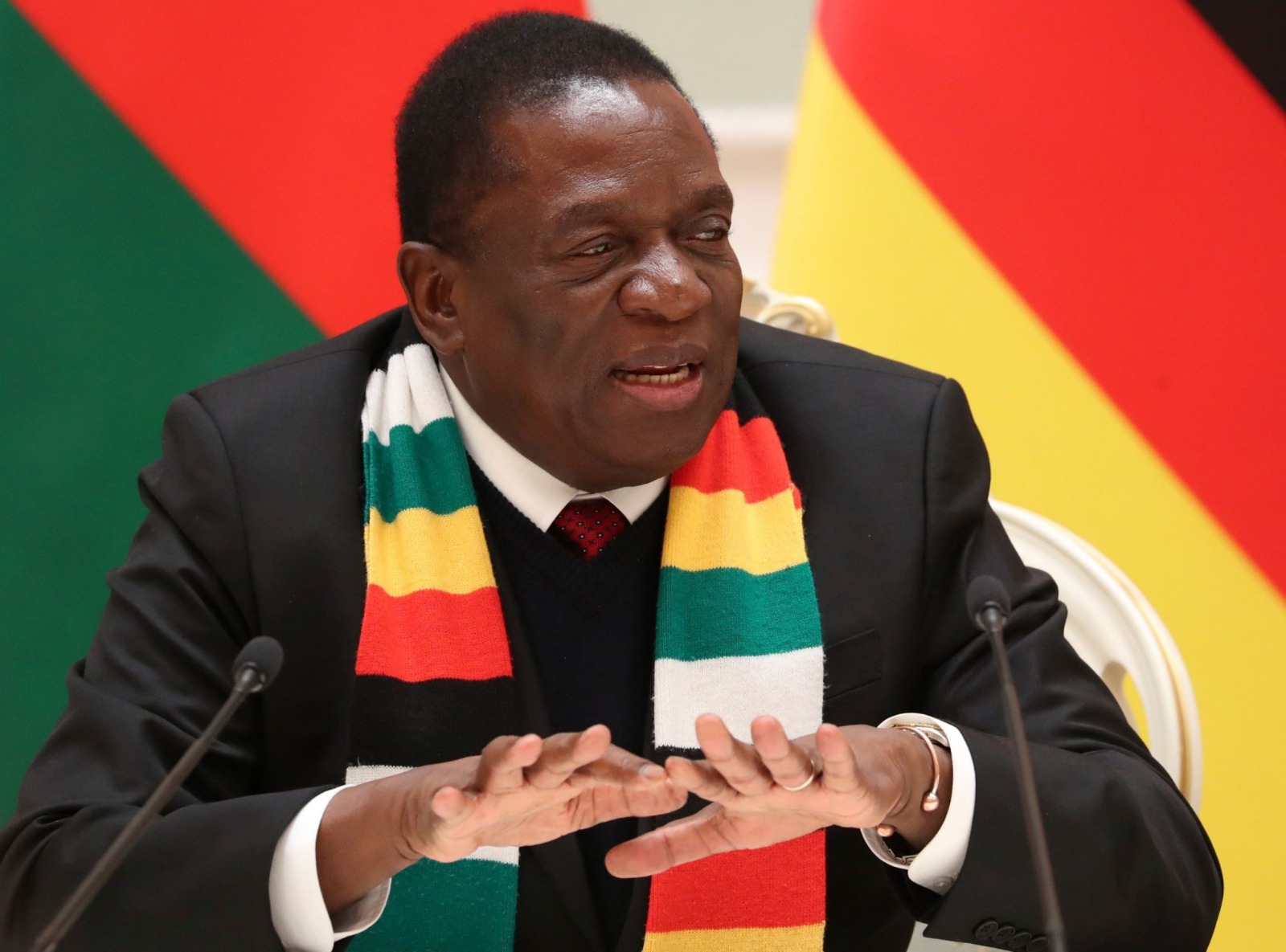
He accused the Zimbabwean government of suppressing opposition voices and stifling democratic engagement, citing reports that opposition politicians attempting to campaign against the constitutional changes were allegedly arrested and detained.
For South African opposition figures, Ramaphosa’s appearance alongside Zimbabwe’s elite business class symbolized a dangerous political alignment.
Smith compared the situation to South Africa’s painful experience with state capture during the Jacob Zuma era, warning that Pretoria appeared not to have learned from the billions spent investigating corruption through commissions such as the Zondo and Mahlangu inquiries.
“How much money has South Africans spent investigating corruption and state capture,” Smith questioned, “only for the president to now appear in the company of businessmen accused of similar influence in neighboring states?”
The DA argued that South Africa’s foreign policy commitments under the Government of National Unity framework are supposed to be rooted in democracy, constitutionalism, human rights, and accountability. According to Smith, Zimbabwe no longer represents those values.
He described Zimbabwe as a country gripped by political repression, economic instability, and governance failures that continue to force thousands of citizens into South Africa in search of jobs, safety, and opportunity.
Critics say this migration crisis lies at the heart of the current tensions in South Africa, where anti-immigrant sentiment has increasingly targeted Zimbabweans accused of straining public services and taking scarce employment opportunities.
Ironically, opposition voices argue, the very leaders responsible for the governance failures driving migration continue to enjoy diplomatic protection and political solidarity from Pretoria.
Political analysts say the optics of Ramaphosa sharing space with controversial businessmen while South Africans demand tougher immigration controls has further inflamed public anger.
Observers also argue that the controversy exposes broader regional contradictions within Southern African politics, where liberation-era alliances often appear to outweigh democratic accountability.
Despite growing evidence of economic collapse, corruption allegations, and political intolerance in Zimbabwe, the ruling African National Congress (ANC) has historically maintained close ties with ZANU-PF, relationships forged during the liberation struggle years.
For many critics, however, that solidarity now appears increasingly disconnected from the realities facing ordinary citizens across the region.
Zimbabwe continues to battle severe economic pressures, unemployment, currency instability, and accusations of institutionalized corruption. These challenges have fueled decades of migration into South Africa, Botswana, the United Kingdom, Australia, and beyond.
Yet during the controversial meeting, there was reportedly little public discussion around economic reform, governance concerns, migration management, or regional stability.
Instead, attention remained fixed on the secrecy surrounding the visit and the controversial personalities present.
The episode has now evolved into a diplomatic and political embarrassment for both governments, with social media platforms across Southern Africa flooded by criticism, speculation, and satire.
For Zimbabweans frustrated by economic hardship and political uncertainty, the controversy has reinforced long-standing concerns that elite political networks continue to prioritize power and business interests over the welfare of ordinary citizens.
South Africans already frustrated by corruption scandals and immigration pressures, the meeting has reopened painful national debates about state capture, accountability, and the true direction of the country’s foreign policy.
President Cyril Ramaphosa did not know that he would be meeting a businessman wanted by the law in South Africa when he visited Zimbabwean President Emmerson Mnangagwa on his private farm on Sunday, his spokesperson said.
Chivayo’s assets have been frozen in South Africa, and he is being investigated by the Hawks for money laundering.
Presidency spokesperson Vincent Magwenya said at a press conference in Cape Town that it was understandable there were concerns about Ramaphosa being seen in a foreign country with “persons of interest to our law enforcement”.
But he insisted that Ramaphosa had been invited to Zimbabwe by Mnangagwa and had no prior knowledge of who would be at the meeting, which was “arranged to be a very informal, relaxed sort of engagement, albeit over serious issues concerning the two countries”.
Magwenya said reports had surfaced after the visit, identifying an individual who is a person of interest to SA law enforcement, who was also present during the visit.
“President Ramaphosa had no prior knowledge of who would be present during the visit, nor was he familiar with the said individual. The president flew to Zimbabwe for a meeting with his counterpart and nothing else,” Magwenya said.
A helicopter flight to Kwekwe involving Cyril Ramaphosa and Emmerson Mnangagwa was accompanied by prominent businessmen closely linked to state contracts, including Wicknell Chivayo, Kudakwashe Tagwirei, and Paul Tungwarara.
The trio, who have reportedly benefited from hundreds of millions of dollars in government deals and have faced allegations of state capture raised by senior government officials including members of parliament from the ruling party. The trio attended a briefing for Ramaphosa before he held a private meeting with Mnangagwa.
The arrangement highlighted the close and controversial overlap between political authority and business interests in Zimbabwe’s governance landscape.

More Stories
AHF calls for African countries to unite against debt crisis
Pensioners Left Waiting As Billions Sit In Zimbabwe’s Pension Funds
Tax, Trust and Financial Literacy- Zimbabwe’s Long Struggle With the Obligations of a Modern Economy