


By Staff Reporter
Zimbabwe’s media landscape continues to draw scrutiny over recurring allegations of harassment, arrests, and intimidation of journalists, a pattern critics say has steadily eroded press freedom and pushed many practitioners into silence or alternative means of survival.
Over the years, several high-profile journalists have found themselves entangled with the law in circumstances linked to their reporting. Among them is investigative journalist Hopewell Chin’ono, who has previously been arrested and detained in connection with his reporting on governance and corruption issues. Another case involves journalist Blessed Mhlanga, who was also detained after publishing material relating to outspoken war veterans’ figures, including the late Blessed Runesu Geza.
The late journalist James Jemwa is also frequently cited in media freedom discussions, after he was arrested while covering an opposition MDC programme, during which his camera equipment was reportedly confiscated. These cases, among others, have contributed to what media analysts describe as a shrinking space for independent journalism.
Media commentator Alexander Rusero has previously warned of what he termed “vivid media capture,” arguing that both public and private media spaces are increasingly constrained. This sentiment was echoed in remarks attributed to government Permanent Secretary Nick Mangwana, who acknowledged concerns around media influence and control.
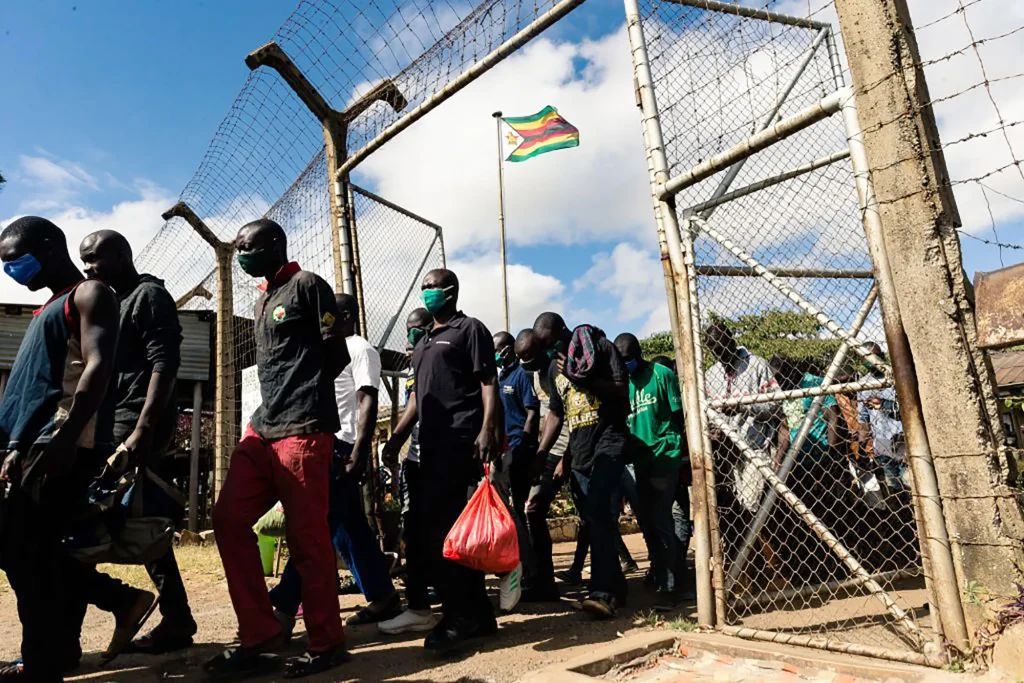
Against this backdrop, Zimbabwe marked World Press Freedom Day amid renewed concerns over the treatment of journalists in custody, particularly the case of Bulawayo24News reporter Gideon Madzikatidze, who has remained in detention for over 60 days without trial. His continued incarceration has intensified debate among legal and media rights observers about delays in justice delivery and the use of criminal law against journalism.

Madzikatidze was arrested on 18 February 2026 and later remanded in custody after appearing before Harare Magistrate Ruth Moyo. He is facing charges of alleged “cyberbullying” and providing a broadcasting service without a licence under provisions of the Broadcasting Services Act and the Criminal Law (Codification and Reform) Act. Prosecutors allege that between 15 and 16 December 2025, he published an article on Bulawayo24 accusing leadership linked to Geo-Pomona Waste Management of bribing journalists and editors to avoid scrutiny.
The State further argues that the publication was intended to intimidate and cause emotional distress to the company and its leadership. However, defence lawyers and press freedom advocates have questioned the applicability of the broadcasting charge, noting that the material was published online through a news website rather than traditional broadcasting platforms.
Legal proceedings have been marked by delays, with bail applications postponed due to procedural challenges, including court workload. Madzikatidze was later remanded until 23 February 2026, with further proceedings scheduled for March 17, effectively extending his time in custody.
The Committee to Protect Journalists (CPJ) has strongly condemned his detention. CPJ Africa Director Angela Quintal urged Zimbabwean authorities to refrain from criminalising journalism, stating that detention over reporting was “a totally disproportionate response” and calling for his immediate release and withdrawal of charges.
Similarly, Amnesty International has raised alarm over the prolonged pre-trial detention, noting that Madzikatidze had spent more than 70 days in custody, describing the situation as a violation of fair trial standards and press freedom protections.
The charges he faces carry significant penalties under Zimbabwean law, including potential imprisonment or fines if convicted. Critics argue that the use of cyber-related legislation against journalists signals a widening legal framework being applied to regulate online expression and investigative reporting.
Geo-Pomona Waste Management and police spokespersons have not publicly responded to inquiries regarding the allegations, leaving parts of the case unaddressed in the public domain.
As Zimbabwe reflects on press freedom commitments, the detention of journalists like Madzikatidze has reignited debate over the balance between regulation, accountability, and the constitutional protection of media freedom. Legal analysts and rights groups continue to argue that prolonged detentions without trial risk undermining confidence in the justice system and reinforcing perceptions of media suppression.


More Stories
Birthday, Power and Politics- Enter Munhumutapa Day
Chiweshe Case Raises Dust, Puts Judiciary Under Scrutiny
Zimbabwe’s Second Bid to Remove Vendors from Harare Streets Triggers Fresh Livelihoods, Law and Order Clash