



The Post On Sunday
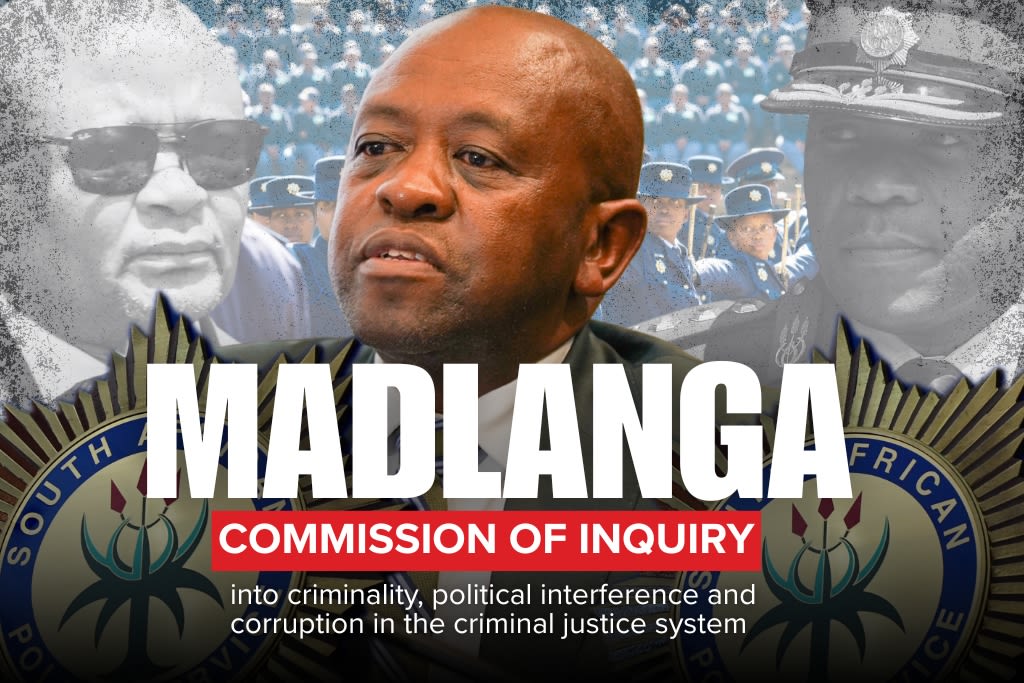
From Cape to Cairo, the rot of corruption and state capture has seeped into the very institutions meant to serve and protect the people. Africa’s citizens struggle to breathe under the weight of organized crime, money laundering, and entrenched corruption. South Africa’s Madlanga Commission has, in many ways, exposed this rot, revealing how deeply criminal networks have intertwined with the corridors of power. Yet the aftermath raises urgent questions about accountability, leadership, and the fate of those brave enough to speak out.
On December 5, 2025, Marius Van Der Merwe, a former EMPD officer turned private security and recovery specialist, was killed in Brakpan, Johannesburg. Known during the commission hearings as Witness D, Van Der Merwe had given testimony in camera, following strict protocols designed to protect whistleblowers. His assassination, shocking yet disturbingly predictable, underscores the perilous environment facing those who dare challenge South Africa’s shadow networks.
The Madlanga Commission, established ostensibly to investigate allegations of political-criminal collusion, has exposed links between sitting politicians and criminal syndicates. Lieutenant General Nhlanhla Mkhwanazi, in a press briefing on July 6, 2025, revealed the so-called “treasonous bromance” between officials and criminal elements, a network encompassing a drug cartel, high-ranking SAPS officers, metro police, corrections officials, prosecutors, and even members of the judiciary. South Africa, as Mkhwanazi warned, is teetering on the edge of institutional collapse.
The disbandment of the Political Killings Task Team (PKTT) on December 31, 2024, was the spark that illuminated the deeper decay. The PKTT had been investigating politically motivated killings, but its sudden dissolution allowed corrupt actors to consolidate power. Parliament, through its Portfolio Committee on Police, had a constitutional mandate to provide oversight and demand accountability from both the SAPS and the executive. Yet, by the admission of Ian Cameron, Chair of the committee, the matter reached lawmakers only through leaked notices. Despite invitations extended to Mkhwanazi in March and April 2025, critical evidence of collusion, including the compromise of classified intelligence by officials to civilians and politicians, went uninvestigated. The committee’s inaction amounted to negligence, leaving both the state and its whistleblowers vulnerable.
The assassination of Van Der Merwe highlights the consequences of this failure. The commission’s in-camera procedures, intended to protect witnesses, were poorly implemented: testimonies were not distorted or adequately shielded, putting witnesses at extreme risk. Three more witnesses, including Van Der Merwe, testified under these unsafe conditions, with tragic results. The media, only belatedly alert to the danger, had squandered opportunities to hold the commission accountable during earlier budget disclosures and in-camera proceedings. Commissioners themselves, complicit in procedural failures, later visited the deceased’s home to offer condolences, a hollow gesture that exposed a moral vacuum.
This is the recurring tragedy of South Africa’s commissions of inquiry. Commissions are designed to investigate systemic failings and recommend remedies, but post-apartheid South Africa offers a litany of examples where political expediency overrides justice. The Seriti Commission (2011) into the Strategic Defence Procurement Packages, the Marikana Commission (2012), and the Zondo Commission (2018) all cleared senior political figures while singling out a select few, notably Jacob Zuma. The Madlanga Commission risks repeating this pattern: procedural formalities mask the absence of true accountability. Lawyers maneuver to shield implicated individuals, evidence leaders observe without intervention, and the state maintains the illusion of inquiry. Meanwhile, those at the forefront of exposing corruption face lethal consequences.
As Frédéric Bastiat wrote in the 19th century, “When plunder becomes a way of life for a group of men in a society, over the course of time, they create for themselves a legal system that authorises it and a moral code that glorifies it.” In South Africa, the legal framework has become a vehicle to shield criminally liable insiders, while the moral compass of the institutions meant to protect citizens is entirely subverted.
The broader implications for the region are chilling. Some voices in neighboring Lesotho have suggested aligning more closely with South Africa’s political and security apparatus, an alarming notion given the country’s current descent into organized criminality. When a state allows the capture of its institutions by syndicates, the rule of law erodes, and citizens are left exposed to violence, intimidation, and systemic injustice.
The Madlanga Commission, therefore, stands as both a revelation and a cautionary tale. While it has unveiled a network of corruption that reaches into the highest offices, it also exposes the structural failures of oversight, enforcement, and moral accountability. For South Africa to restore faith in its institutions, decisive action must follow, not mere commissions, not perfunctory investigations, but arrests, prosecutions, and the unwavering enforcement of the law. Without such action, whistleblowers will continue to die in silence, and the machinery of state capture will churn on, unimpeded.


More Stories
Zimbabwe’s Export Engine Fires Up
Southern Africa Rethinks Energy Security as Zimbabwe Pushes Regional Power Integration
AHF calls for African countries to unite against debt crisis