


The Post On Sunday
What began as a purported measure to curb the spread of incendiary content has increasingly become a habitual tool for governments to silence dissent, controlling communication with the flip of a switch. Nowhere is this more evident than in Gabon, where widespread anti-government protests have been met with a dramatic clampdown on online platforms, leaving citizens cut off and the world largely blind to the unfolding unrest.
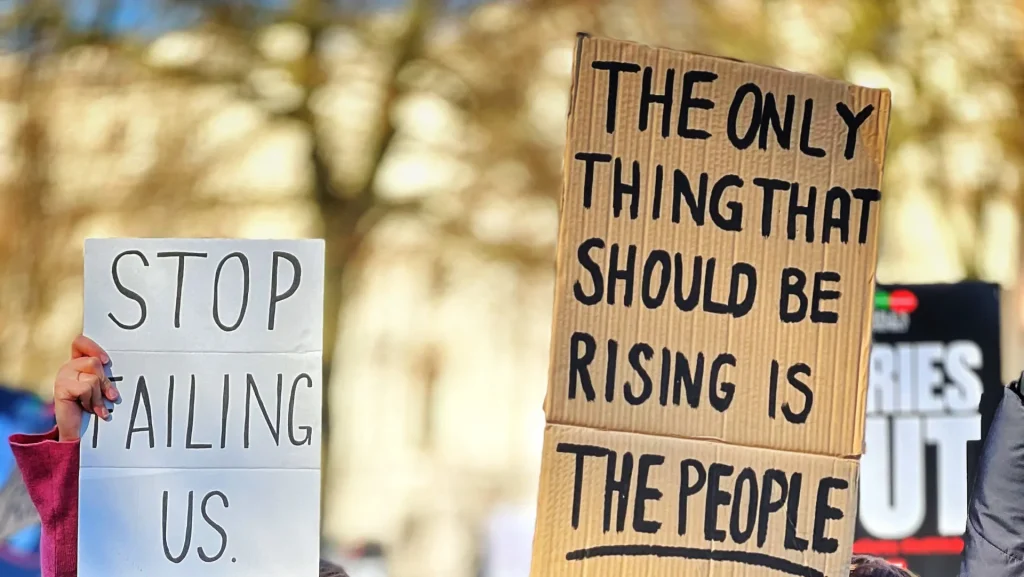
The protests erupted in response to the ever-increasing cost of living, a crisis felt not only in Gabon but across Africa. Young Gabonese flooded the streets of Libreville and other cities, demanding relief from soaring prices, inadequate wages, and a system they perceive as failing them. Yet, rather than engage with these legitimate grievances, authorities resorted to a familiar tactic: shutting down social media.
On Wednesday, Facebook and TikTok became inaccessible to Gabonese users, AFP journalists reported, following an announcement by the country’s media regulator, the High Authority for Communication. The regulator justified the suspension of social media “until further notice,” citing concerns over posts that allegedly threatened national security, spread false information, or undermined social cohesion. Jean-Claude Mendome, the regulator’s spokesman, said in a televised statement that “inappropriate, defamatory, hateful, and insulting content” risked destabilizing the country’s institutions and jeopardizing national unity.
While the ban ostensibly aims to protect “human dignity” and public morality, critics argue it is designed to shield the government from scrutiny. Opposition figures claim the blackout creates a climate of fear, discouraging citizens from expressing dissent or reporting abuses. Alain-Claude Billie-By-Nze, an opposition leader, condemned the move, describing it as a “liberty-destroying excess” and urging civil groups and citizens to mobilize in defense of freedom of expression.
The social media shutdown comes less than a year into the presidency of Brice Oligui Nguema, who assumed office following a military coup that ousted Ali Bongo, whose family had ruled Gabon for 55 years. Oligui’s administration initially garnered praise for addressing teachers’ concerns and calming unrest during the transitional period leading up to the April 2025 election, which he won with overwhelming support. Yet the persistence of wage freezes, rising living costs, and a series of strikes among public sector employees has revealed the fragility of this calm.
Teachers, the first group to strike, have been joined by workers in health, higher education, and broadcasting, demanding better pay and working conditions. The government’s response has been increasingly heavy-handed, with arrests of prominent protest leaders signaling a zero-tolerance approach to dissent. Citizens now face the dual reality of economic hardship and restricted avenues for communication, both online and offline.
What Gabon illustrates is a broader pattern across Africa: social media, once a tool for civic engagement and public accountability, is being recast as a lever of state control. With governments able to sever communication lines at will, citizens are left voiceless, protests invisible, and abuses hidden. The use of such measures, coupled with the threat of lethal force in some instances, raises pressing questions about governance, accountability, and the right to free expression in the digital age.


More Stories
Zimbabwe’s Export Engine Fires Up
Southern Africa Rethinks Energy Security as Zimbabwe Pushes Regional Power Integration
AHF calls for African countries to unite against debt crisis