





By Shingirai Vambe
Zimbabwe joined the international community in commemorating World Refugee Day on June 20, reaffirming its commitment to protecting and supporting thousands of people who have been forced to flee conflict, persecution, political instability and humanitarian crises in their countries of origin.
The commemorations, held at Tongogara Refugee Settlement in Chipinge District, Manicaland Province, brought together government officials, development partners, humanitarian organisations, refugees, asylum seekers and members of surrounding host communities in a celebration that highlighted both the challenges and achievements of displaced populations living in Zimbabwe.
Observed globally under the theme “Solidarity with Refugees,” this year’s commemorations focused on the collective responsibility of governments, communities and international partners to provide protection, dignity and opportunities for people forced to leave their homes.
For Zimbabwe, the day served not only as a moment of reflection but also as an opportunity to showcase the progress being made in transforming refugee assistance from a dependency model into a self-reliance and development-oriented approach.
Today, Zimbabwe hosts approximately 12,000 refugees and asylum seekers, the majority of whom reside at Tongogara Refugee Settlement. The population is largely made up of nationals from the Democratic Republic of Congo, Burundi and Rwanda, while only a small number of Mozambican refugees remain following a voluntary repatriation exercise that saw nearly 21,000 Mozambicans return home over the years as conditions improved in their country.
Despite the reduction in refugee numbers, Tongogara remains one of Southern Africa’s most important refugee settlements and continues to receive support from the Government of Zimbabwe, the United Nations High Commissioner for Refugees (UNHCR), development agencies and private sector partners.
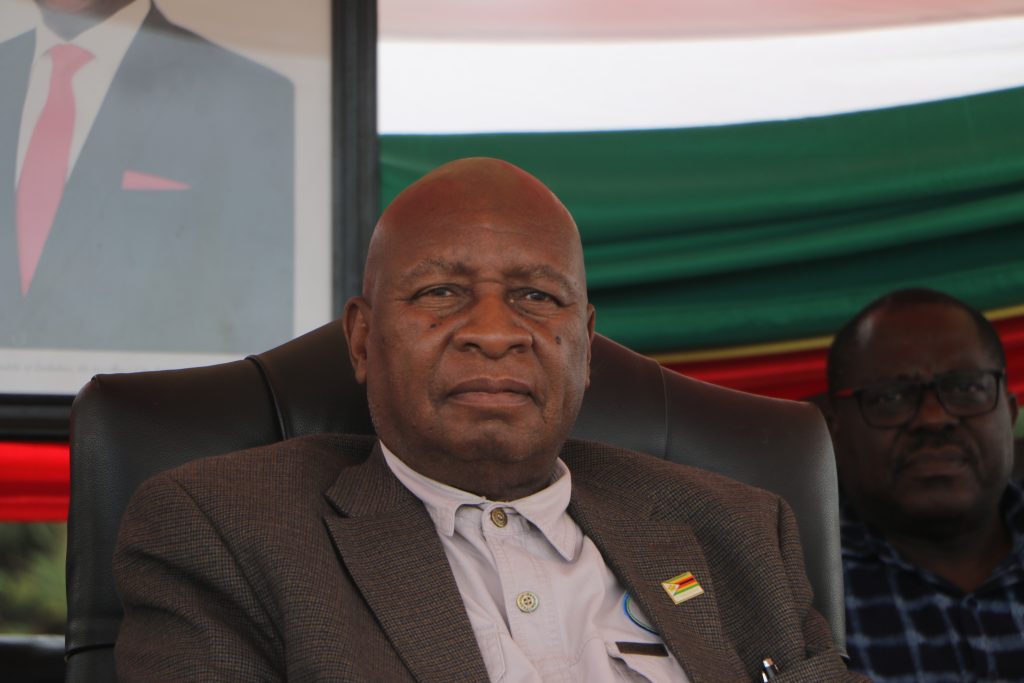
The commemorations were led by the Minister of Public Service, Labour and Social Welfare, Hon. Edgar Moyo, accompanied by Deputy Minister Mercy Dhina and Permanent Secretary Pfungwa Kunaka.
Addressing refugees, humanitarian agencies and government officials gathered at the settlement, Minister Moyo reaffirmed Zimbabwe’s unwavering commitment to protecting displaced persons and ensuring they enjoy their fundamental rights to safety, dignity and opportunity.
He said Zimbabwe remains guided by international refugee protection frameworks and continues to align its refugee response with the country’s National Development Strategy 2 (NDS2), which seeks to ensure inclusive development that leaves no one behind.
“The Government of Zimbabwe remains fully committed to upholding the rights and dignity of refugees and asylum seekers. We continue to work towards creating a secure, inclusive and supportive environment where refugees can rebuild their lives while contributing positively to the communities that host them,” said Minister Moyo.
He added that Government efforts are increasingly focused on expanding access to healthcare, education, livelihoods and economic opportunities that benefit both refugees and surrounding host communities.
The minister also paid tribute to humanitarian organisations, development agencies and private sector players that continue to support refugee programmes in Zimbabwe despite growing global funding challenges.
“We deeply appreciate the tireless efforts of our development partners who continue to stand with Zimbabwe in supporting refugees and asylum seekers. Their contributions have helped improve lives and restore hope to many vulnerable families,” he said.
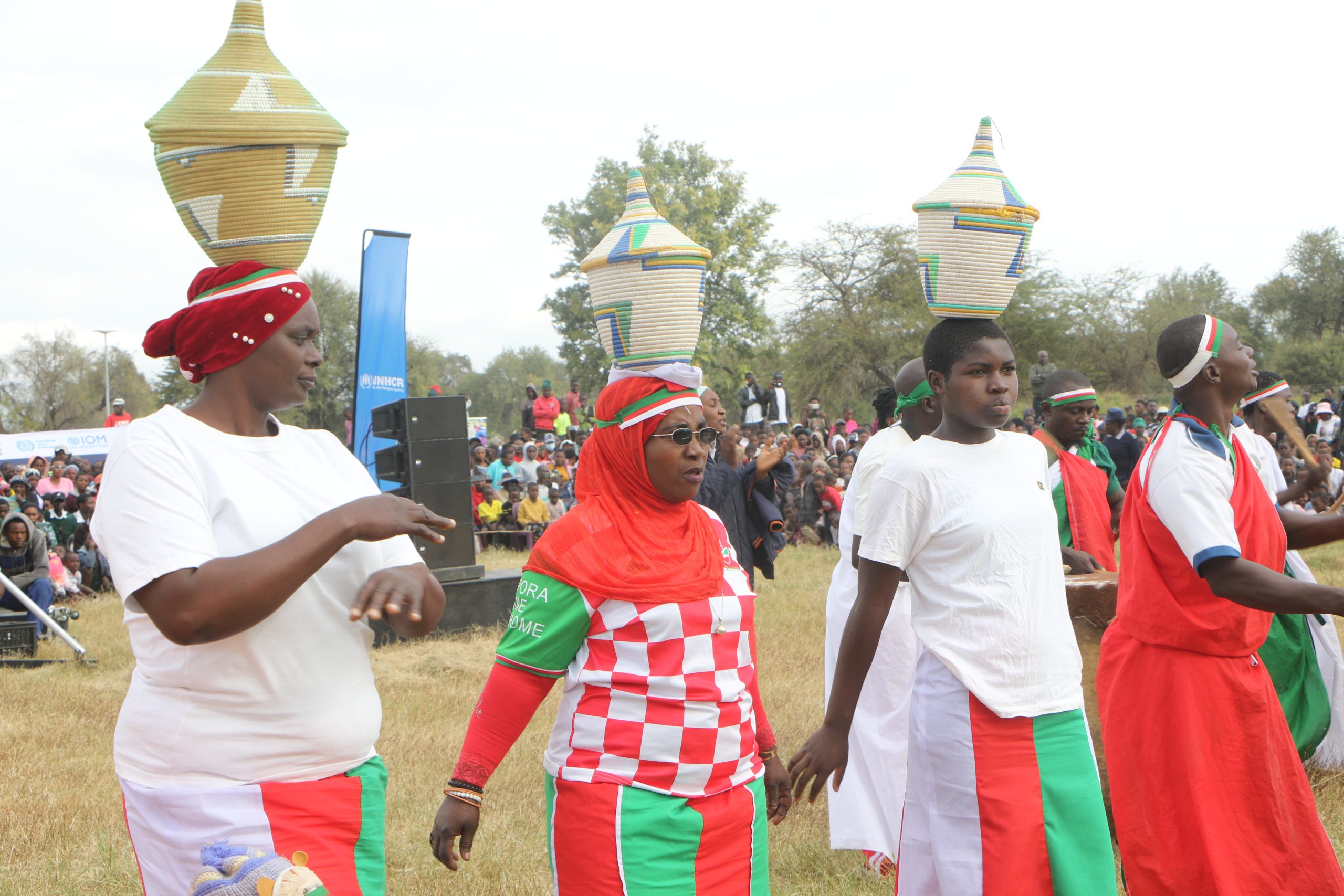
The commemorations featured colourful cultural performances by refugees representing various nationalities, traditional dances, poetry recitals by refugee children and exhibitions showcasing projects that are helping transform livelihoods within the settlement.
Guests toured several initiatives designed to promote self-reliance among refugees, including irrigation schemes, hydroponic farming projects, educational facilities and youth entrepreneurship programmes.
Among the projects drawing significant attention was a recently completed livelihoods initiative spearheaded by World Vision Zimbabwe.
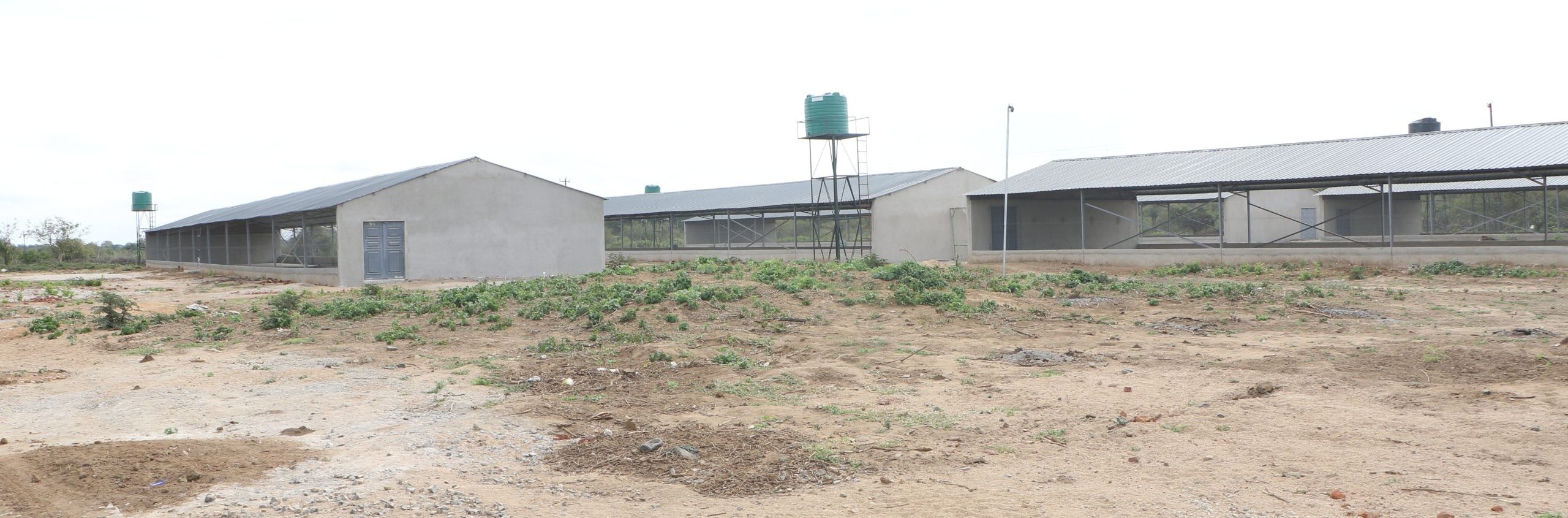
Speaking during the event, World Vision officials revealed that the organisation had successfully implemented a livestock project worth more than US$350,000, benefiting 102 refugee and host community farmers through the provision of pig and poultry production infrastructure and support systems.
The project was implemented in partnership with local suppliers, including Scorebrite Hardware, and is expected to significantly improve household incomes while strengthening food security within the settlement.
Development practitioners described the initiative as an example of how refugee assistance programmes are increasingly shifting from emergency relief to sustainable economic empowerment.
The project forms part of broader efforts by humanitarian agencies to equip refugees with practical skills and income-generating opportunities capable of reducing aid dependency while enhancing peaceful coexistence with surrounding communities.
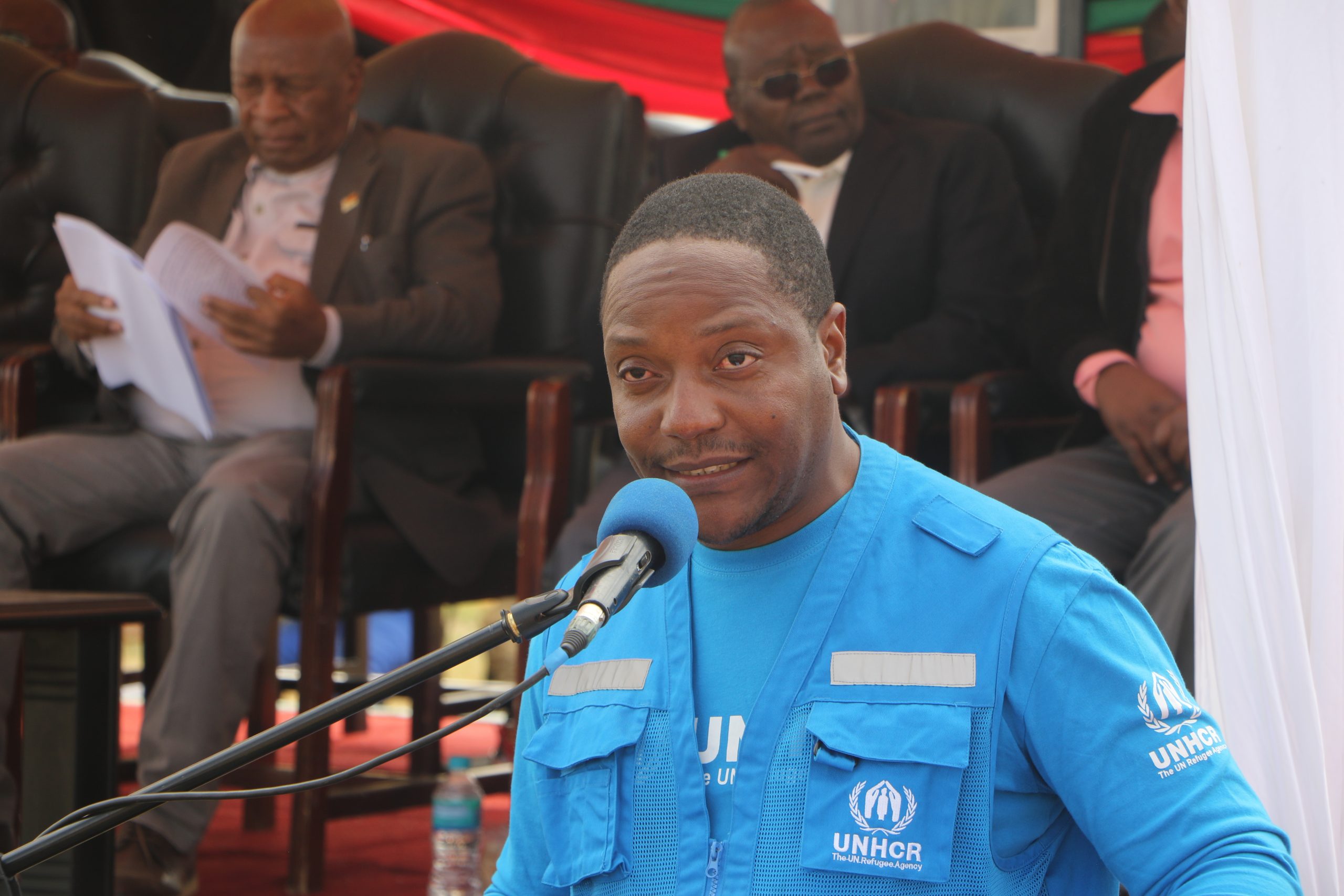
Representatives from UNHCR reiterated the importance of creating long-term opportunities for refugees rather than merely providing temporary protection.
Humanitarian agencies stressed that while ensuring safety remains a priority, refugee support must increasingly focus on rebuilding lives, restoring dignity and enabling displaced people to become economically productive.
The settlement has also become a showcase for renewable energy and environmental sustainability initiatives.
Officials highlighted investments in solar energy infrastructure designed to improve service delivery while reducing dependence on conventional energy sources.
Such interventions are helping improve operational efficiency while contributing to broader environmental sustainability goals.
Globally, refugee numbers continue to rise as conflicts, political instability, human rights violations and climate-related disasters force millions of people to flee their homes.
While international attention often focuses on major crises in Europe and the Middle East, African countries continue to shoulder a significant share of the global refugee burden.
Zimbabwe’s continued commitment to refugee protection has earned recognition from international agencies, particularly given the country’s own economic challenges.
Observers note that despite resource constraints, Zimbabwe has largely maintained an open-door policy and continues to work closely with humanitarian partners to provide shelter, protection and opportunities for displaced populations.
However, refugee dynamics within Tongogara continue to evolve.
Sources within the refugee community indicate that while some countries of origin have experienced improvements in political stability and economic development, many refugees remain reluctant to return.
Particularly notable are reports suggesting that a significant number of refugees from Rwanda have expressed little interest in repatriation despite substantial socio-economic progress reported in their home country over recent years.
Many have reportedly established new lives, businesses, social networks and support systems within Zimbabwe and now view Tongogara not merely as a temporary refuge but as a place where they have found stability and belonging.
For many families living within the settlement, the annual World Refugee Day commemoration serves as a reminder of painful journeys undertaken in search of safety, but also as a celebration of resilience, survival and the possibility of rebuilding lives far from home.
As Zimbabwe joined the rest of the world in observing the day, the message emerging from Tongogara was clear: refugee protection extends beyond providing shelter. It is about restoring dignity, creating opportunities, fostering inclusion and ensuring that every person, regardless of nationality or circumstance, has the chance to live in safety and hope.
In a world where displacement continues to rise, Tongogara Refugee Settlement stands as a testament to what can be achieved when governments, humanitarian agencies, development partners and local communities work together in solidarity with some of the world’s most vulnerable people.


More Stories
Marital Feud Escalates Into Gun Drama in Rusape
Zimbabwe’s Export Engine Fires Up
Southern Africa Rethinks Energy Security as Zimbabwe Pushes Regional Power Integration