




By Evans Jona
HARARE – HUMAN traffickers are increasingly exploiting vulnerable Zimbabweans through false promises of employment, romantic relationships, deception and coercion, with young people, women, children and migrants among those most at risk, an official from the Ministry of Home Affairs has warned.
Speaking during an interview with ZOU
FM Campus Radio at the Zimbabwe Agricultural Show 2026, Ministry of Home Affairs Secretariat of the Anti-Trafficking in Persons Inter-Ministerial Committee Gratitude Mpande said human trafficking remains a serious threat both within Zimbabwe and across international borders.
Mpande said the crime often begins with promises that appear genuine, including offers of employment, education, better wages or opportunities abroad, only for victims to later find themselves trapped in situations of exploitation.
“Traffickers use different methods to recruit and exploit people,” Mpande said, highlighting false job offers, romantic relationships, abduction and deception among some of the tactics used to target vulnerable individuals.
Human trafficking, also known as trafficking in persons, involves the recruitment, transportation, transfer, harbouring or receipt of people for the purpose of exploitation.
The crime can involve forced labour, sexual exploitation, domestic servitude and other forms of abuse, with traffickers often taking advantage of poverty, unemployment, lack of information and desperation.
Mpande warned against the misconception that human trafficking is a crime that only affects people who leave Zimbabwe.
He said trafficking also occurs within the country’s borders, with vulnerable people being moved or recruited from one community to another for the purpose of exploitation.
“Human trafficking happens both inside and outside Zimbabwe,” he said.
Young women and girls, unemployed young people, children from vulnerable families, migrants and people with limited access to information are among those who can be particularly vulnerable to traffickers.
The search for employment has emerged as one of the factors that can expose young people to exploitation.
With many Zimbabweans seeking economic opportunities locally and abroad, Mpande urged job seekers to carefully verify employment offers and avoid making decisions based solely on promises made through social media or unverified intermediaries.
Traffickers, he said, may use people known to potential victims, including acquaintances, family members or community members, to create a sense of trust.
This can make it more difficult for victims to recognise that they are being recruited into an exploitative situation.
Romantic relationships can also be used as a tool of manipulation.
A trafficker may develop a relationship with a potential victim, build trust and later use emotional dependence, threats or deception to exploit that person.
Mpande said members of the public should remain alert to warning signs that could indicate that a person is being trafficked or exploited.
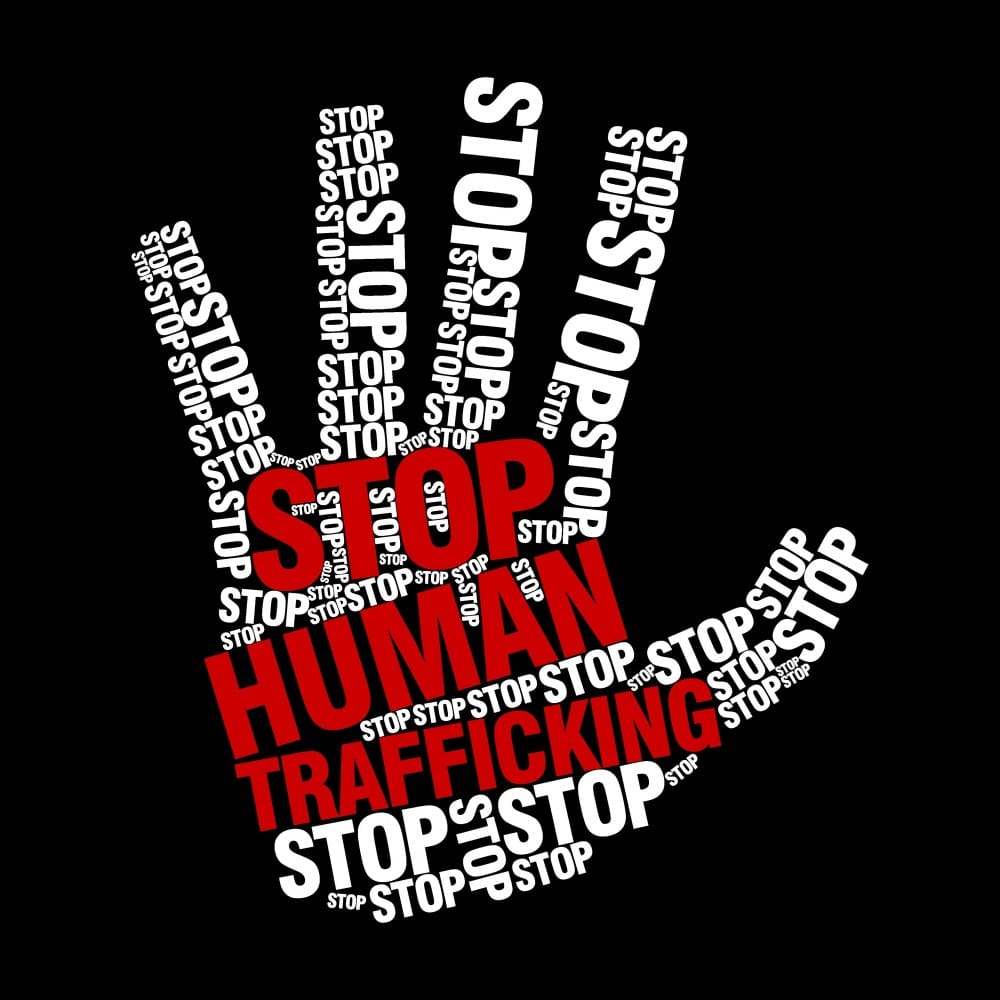
These include the confiscation of passports or identity documents, being forced to work without proper payment, receiving significantly less money than initially promised, threats and intimidation, isolation from family and friends and restrictions on a person’s freedom of movement.
Other warning signs include finding oneself working or living in conditions that are substantially different from those initially promised.
“A person may have been promised one type of employment or opportunity and then find themselves in an entirely different situation where they are being controlled and exploited,” he said.
Mpande said one of the most important indicators is whether a person is genuinely free to leave their place of work or living arrangement.
Victims of trafficking may be subjected to threats, violence, intimidation or psychological manipulation that makes escape difficult.
The effects of trafficking can continue long after a victim has escaped an exploitative situation.
Survivors may experience psychological trauma, physical injuries and long-term social and economic challenges.
Stigma and discrimination can further complicate the process of reintegration, particularly when victims return to their families and communities after experiencing exploitation.
Mpande said addressing human trafficking requires cooperation between Government, law-enforcement agencies, communities, civil society organisations and members of the public.
Zimbabwe has put in place a legal and institutional framework to combat trafficking in persons, including the Trafficking in Persons Act and the establishment of mechanisms that bring together different Government departments and stakeholders involved in prevention, protection and prosecution.
Awareness campaigns have also become an important part of efforts to prevent trafficking.
Mpande said public awareness was critical because potential victims are less likely to fall prey to traffickers when they understand the methods commonly used to recruit and control people.
Communities, he said, also have an important role to play in identifying suspicious activities and reporting cases to the relevant authorities.
He encouraged people who suspect that they or someone they know may be experiencing trafficking to seek help and report the matter.
Reports can be made to law-enforcement authorities and other institutions involved in victim protection and support.
Mpande stressed that combating trafficking is not only about prosecuting offenders but also about protecting survivors and helping them rebuild their lives.
Victims may require safe accommodation, medical attention, psychosocial support, legal assistance and reintegration support.
He said preventing human trafficking was also linked to broader national development goals.
Zimbabwe’s Vision 2030 seeks to build an upper-middle-income society, and protecting citizens from exploitation is an important part of ensuring that development leaves no one behind.
Human trafficking, Mpande said, undermines communities and deprives the country of human capital by exposing people, particularly young people, to exploitation instead of allowing them to contribute safely and productively to national development.
The fight against trafficking, therefore, requires continued investment in public awareness, safe migration, employment opportunities and the protection of vulnerable communities.
As Zimbabweans increasingly use digital platforms to search for jobs, scholarships and opportunities abroad, Mpande’s message was one of caution.
Not every opportunity advertised online is genuine, and people should take steps to verify the individuals, organisations and companies behind offers before committing themselves or travelling.
For young people in particular, the promise of a better life should not come at the cost of personal safety.
The official urged Zimbabweans to remain vigilant, ask questions and seek reliable information before accepting employment or travel opportunities.
The fight against human trafficking, he said, begins with awareness.
Recognising the warning signs, questioning suspicious offers and reporting suspected cases could mean the difference between preventing exploitation and allowing another victim to fall into the hands of traffickers.



More Stories
Zimbabwe’s Second Bid to Remove Vendors from Harare Streets Triggers Fresh Livelihoods, Law and Order Clash
AHF urges young people to priorities STI prevention and testing
Ramaphosa Plays Diplomat as Mzansi Plays Hardball