



By Shingirai Vambe
Zimbabwe’s energy sector has recorded a significant improvement in electricity supply over the past three years, with the country moving from prolonged power shortages towards a period of greater stability, Energy and Power Development Minister July Gabarari Moyo has said.
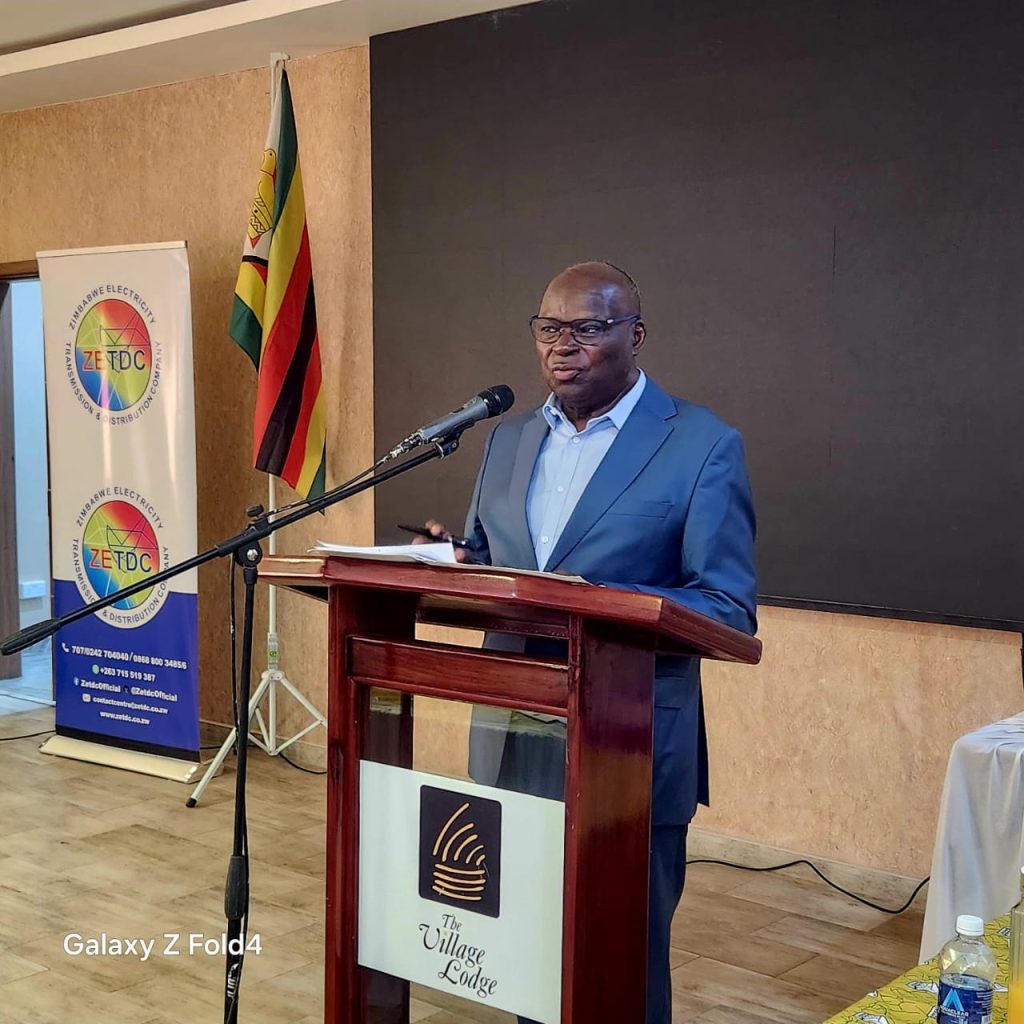
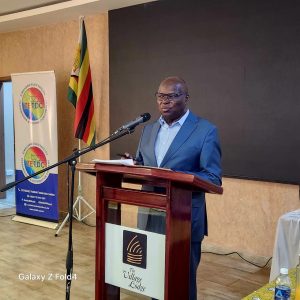
Addressing the Ministry of Energy and Power Development Strategic Planning Review Workshop held from October 1 to 2, 2026, Moyo said the gains made in the sector were beginning to change the country’s energy position, although more work was required to guarantee reliable and affordable power as demand increases.
According to Moyo, ZESA recorded more than 280 consecutive days of uninterrupted electricity supply during the year under review, a development that marks a major improvement in a sector that has previously been characterised by prolonged load-shedding and supply interruptions.
The Minister said conventional generation capacity had also increased from 2,905 megawatts to 3,025MW, while net metering had expanded beyond 110MW.
Captive power producers have added a further 162.47MW, increasing the contribution of private and independent generation to the national energy mix.
Moyo said rural electrification had also continued through both grid and off-grid systems, with more than 8,500 institutions now electrified.
In addition, more than 9,500 Solar Home Systems had been distributed under the Presidential Solar Scheme, widening access to electricity in communities beyond the reach of conventional grid infrastructure.
The Minister said petroleum supplies had also remained stable during the period under review, despite external geopolitical pressures, supported by the maintenance of inland fuel stocks.
The improvement comes as Zimbabwe seeks to use greater energy stability to support mining, manufacturing, agriculture, housing and the broader industrialisation agenda.
Moyo said energy could no longer be planned in isolation because every major economic activity required dependable power.
He said the Government was therefore shifting towards an integrated approach in which electricity generation, transmission, distribution, renewable energy, petroleum, rural electrification, energy efficiency and clean cooking were planned as parts of one national system.
The Minister said the expansion of generation capacity, particularly through the Hwange project, had materially strengthened national electricity supply.
However, he warned that increased generation alone would not guarantee energy security.
Zimbabwe must also strengthen transmission and distribution infrastructure, reduce technical and commercial losses, improve interconnections and modernise the national grid.
Moyo said the country also needed to diversify its energy sources to protect the economy against climate-related shocks, particularly changes in rainfall and hydrology that can affect hydropower generation.
The Government will therefore consider hydro, solar, coal, biomass, geothermal prospects, biofuels, waste-to-energy, coal-bed methane, natural gas and other emerging technologies.
For Moyo, the gains made over the past three years should not become a reason for complacency.
Instead, they should provide the foundation for the next phase of Zimbabwe’s energy development.
With demand expected to rise as mining expands, industries increase production and the digital economy grows, the challenge now is to ensure that the recent improvement in electricity availability is sustained.
“Energy does not announce its importance when it is available but when it is absent,” Moyo said, stressing that reliable energy must ultimately translate into improved livelihoods, increased production, job creation and economic growth.
Zimbabwe, he said, had now entered a new path in the energy sector, one requiring continued investment, diversification, modernisation and disciplined planning to ensure that improved electricity supply becomes a permanent foundation for national development.
More Stories
Southern Africa Rethinks Energy Security as Zimbabwe Pushes Regional Power Integration
AHF calls for African countries to unite against debt crisis
Tax, Trust and Financial Literacy- Zimbabwe’s Long Struggle With the Obligations of a Modern Economy