




The Post On Sunday
Zambia, once burdened by crippling debt and policy uncertainty, is steadily reclaiming its place on the global economic stage, and it is doing so on the back of its most valuable natural resource, copper.
Since President Hakainde Hichilema’s election victory in 2021, the country has embarked on an ambitious economic revival anchored in the mining sector. His administration’s commitment to investor-friendly reforms, transparency, and fiscal discipline has reawakened global confidence in Zambia’s resource-rich economy, once written off as another African cautionary tale.
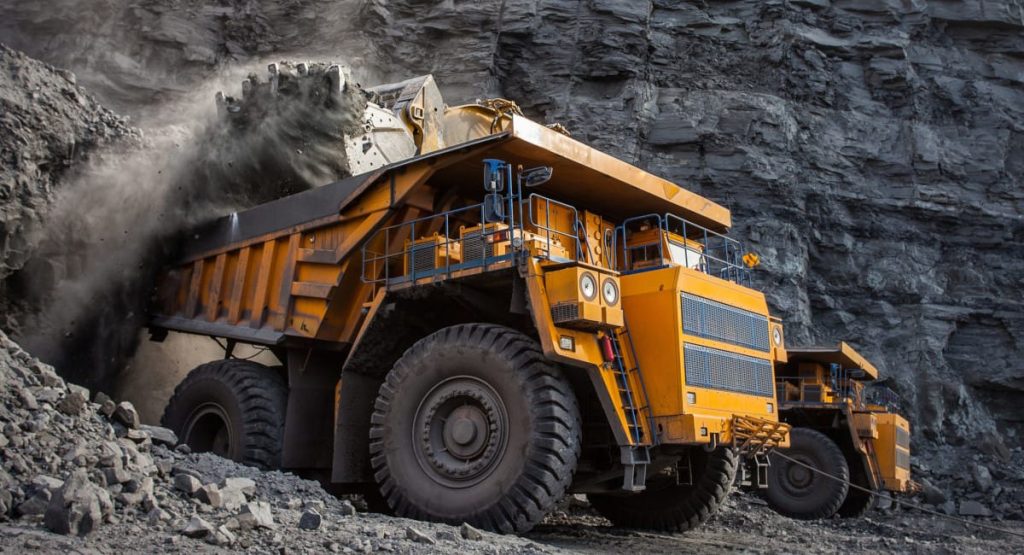
Over the past three years, Zambia has seen a remarkable resurgence in mining activity. International mining giants and new entrants alike have pledged nearly US$10 billion in new investments to expand existing operations and develop untapped copper reserves. The mining boom has placed Zambia on course for record copper production in 2025, coinciding with soaring global demand and rising prices.
Copper, the metal that powers everything from electric vehicles to renewable energy grids and AI data centers, is at the heart of a global energy transition. Analysts project that Zambia’s output could double in the next five years compared to pre-Hichilema levels, positioning the country as one of the world’s key suppliers of the “green economy metal.”
The turnaround is striking given Zambia’s recent past. Just a few years ago, the nation was drowning in debt after an unsustainable borrowing spree under previous administrations. Erratic mining tax policies and governance challenges drove away investors, forcing the country into a painful debt-restructuring program with the International Monetary Fund and other creditors.
Today, however, the tone has shifted. The Zambian kwacha is among the world’s top-performing currencies against the US dollar in 2025, inflation is stabilizing, and investor sentiment is improving. The government’s economic stewardship, though not without criticism, is being recognized as one of the continent’s more credible recovery efforts.
Despite the optimism in Lusaka’s corridors of power, millions of ordinary Zambians remain on the margins of this resurgence. More than 70% of the population still lives on less than US$3 a day, and the benefits of the copper boom have yet to filter down to the communities that need them most.
Last year’s historic drought devastated hydropower dams, plunging large parts of the country into prolonged electricity shortages. While mining companies have managed to secure expensive imported power to keep operations running, ordinary citizens endure rolling blackouts lasting up to 12 hours a day.
The challenge for Hichilema is clear, to ensure that Zambia’s new wealth from copper translates into real social and economic progress for its people. Infrastructure development, job creation, and social investment must keep pace with the growth of mining revenues.
Economists warn that Zambia’s heavy dependence on copper remains a double-edged sword. As global commodity markets fluctuate, the country risks repeating the boom-and-bust cycles that have defined much of its post-independence history.
Experts are urging the government to leverage the current mining windfall to develop other industries, agriculture, manufacturing, and energy, that can sustain the economy when copper prices eventually cool.
“Zambia’s comeback story is remarkable,” said a World Bank analyst based in Lusaka. “But to make it last, the government must focus on diversification and local beneficiation of minerals rather than exporting raw ore.”
As Zambia prepares for elections next year, President Hichilema faces the political test of converting macroeconomic gains into visible, everyday progress. While investors celebrate the government’s pro-market reforms, citizens are demanding lower food prices, better jobs, and improved access to energy and education.
Whether the copper boom can deliver those expectations may determine the political fate of Hichilema’s reform agenda. For now, the country’s mining corridors, from the Copperbelt to North-Western Province, hum with activity, optimism, and cautious hope.
Zambia’s comeback is real, but its endurance will depend on whether the glow of copper can illuminate a path toward inclusive, sustainable growth for all.


More Stories
AHF calls for African countries to unite against debt crisis
Zimbabwe’s Second Bid to Remove Vendors from Harare Streets Triggers Fresh Livelihoods, Law and Order Clash
Traffickers exploiting job seekers and vulnerable Zimbabweans, official warns