




By Shingirai Vambe
The growing prevalence of non-communicable diseases such as diabetes and high blood pressure has become an unexpected but serious threat to road safety, silently endangering not only the lives of drivers but also passengers and pedestrians who share the road with them.
Medical experts warn that the rise in lifestyle-related diseases, particularly diabetes mellitus and hypertension, is increasingly contributing to cases of drivers losing consciousness behind the wheel, leading to avoidable accidents, injuries, and fatalities.
Diabetes mellitus (DM), a metabolic disorder characterized by high blood sugar levels due to insufficient insulin production or poor insulin response, has become one of the most prevalent chronic diseases in the world. The number of people living with diabetes skyrocketed from 30 million in 1985 to over 285 million by 2010, and projections indicate that by 2030, nearly 78% of diabetic patients will come from developing countries, including Zimbabwe.
Among the most affected are long-distance and commercial drivers, whose sedentary work conditions, irregular eating habits, stress, and long hours behind the wheel create the perfect environment for diseases like diabetes and hypertension to flourish. These conditions not only compromise their health but also pose grave risks on the nation’s highways.
Medical professionals say one of the biggest dangers of diabetes is hypoglycemia, a sudden drop in blood sugar levels that can cause dizziness, blurred vision, delayed reaction times, and in severe cases, complete loss of consciousness. A driver who experiences such an episode while driving a public bus or heavy truck could easily lose control, leading to catastrophic accidents.
Similarly, high blood pressure, commonly known as BP, can trigger sudden blackouts or strokes. When left unmanaged, hypertension silently damages blood vessels, impairs cognitive response, and increases the likelihood of cardiac events behind the wheel.
In several reported cases, drivers who suffered from uncontrolled diabetes or hypertension have fainted while driving, leading to multiple-vehicle collisions. “The risks are very real,” says a Harare-based occupational health specialist. “When a driver’s blood sugar drops or their blood pressure spikes, their reflexes and judgment can fail in seconds.
A cross-sectional study involving nearly 2,000 professional drivers conducted in Iran, a scenario comparable to many African nations, revealed that over 52% of drivers showed signs of hyperglycemia (elevated blood sugar levels), with nearly 10% already diabetic. The majority of these drivers were above 40 years old, overweight, and working under stressful, irregular conditions.
High blood pressure was recorded in 16.4% of drivers, while nearly 66% were overweight or obese, a combination that drastically increases the risk of heart disease, diabetes, and sudden incapacitation.
In Zimbabwe, where similar occupational pressures prevail, the situation is no different. Drivers spend hours seated, often on long-distance routes, eating poorly balanced meals and sleeping irregularly. “Many drivers ignore symptoms like frequent urination, excessive thirst, or blurred vision until it’s too late,” says Prosper Mhlanga, health practitioner in Mutare.
The implications of this health crisis stretch beyond individual well-being. Every time a medically unfit driver gets behind the wheel of a bus, taxi, or truck, dozens of lives are potentially at risk. Yet in most developing countries, including Zimbabwe, periodic medical testing for drivers remains inadequate or inconsistently enforced.
In some nations, such as Iran and South Africa, drivers are required to undergo mandatory annual health examinations before renewing their licenses. These checks assess blood pressure, blood sugar, vision, and neurological fitness, measures that Zimbabwean transport authorities could consider adopting more strictly to prevent road tragedies.
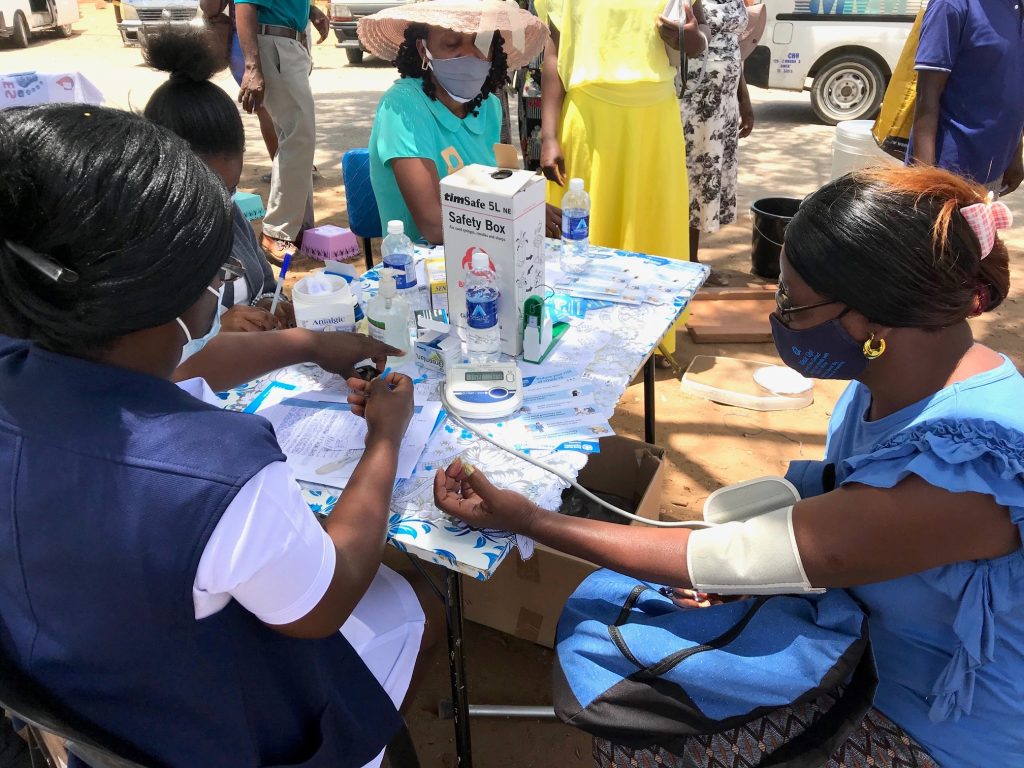
Experts suggest that prevention and early detection are key. Drivers should undergo regular medical check-ups, maintain healthy diets, exercise regularly, and ensure adequate rest. Transport companies, meanwhile, have a duty to prioritize employee wellness through scheduled medical screenings and awareness programs.
“Driving is not just a job, it’s a life-and-death responsibility,” warns Mhlanga.
In Zimbabwe most accidents if not all are due to human error and the medical element is always excluded as the cause of accidents. However, the Traffic Safety Council of Zimbabwe, has warned, that drivers must be carful and always go through medical and routine tests as they drive in the country’s roads.
“One moment of unconsciousness from an undiagnosed or unmanaged condition can wipe out an entire family on the road.”
As the number of lifestyle diseases continues to rise, the need for tighter health surveillance in the transport sector has never been greater. Diabetes and hypertension may be silent killers, but on the highway, their impact can be sudden, loud, and deadly.



More Stories
Retrenchment Axe Hangs Over TelOne
Printflow Showcases Total Printing And ICT Solutions At Sanganai/Hlanganani Expo
Youth Take Lead in Fight Against Gender-Based Violence