


By Staff Reporter
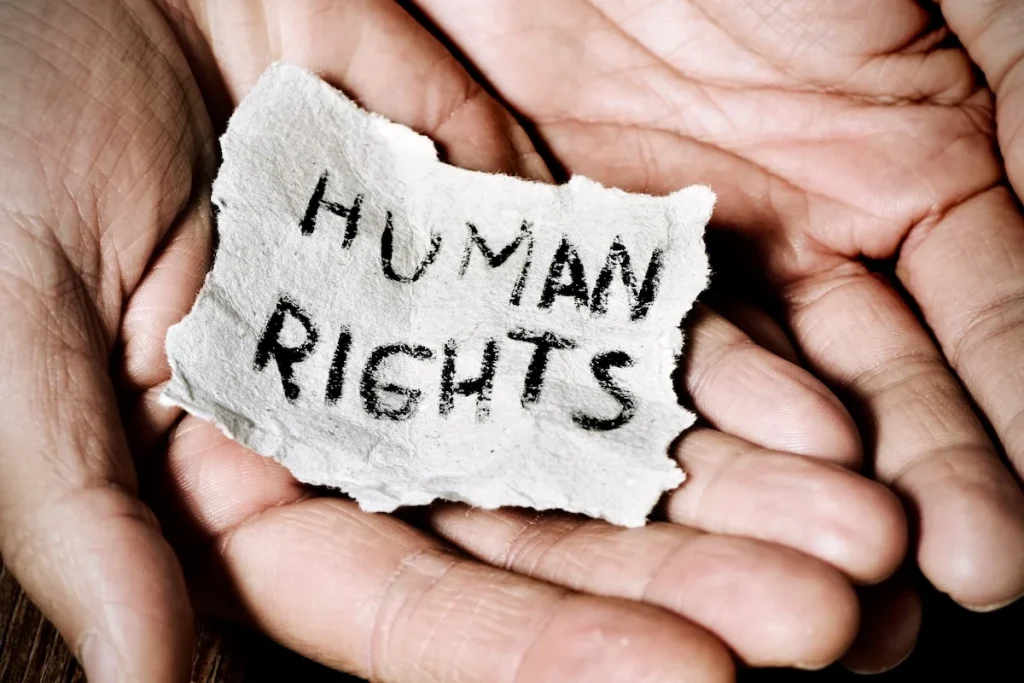
In the month of April, the Zimbabwe Peace Project (ZPP) documented a total of 145 human rights violations, a fresh report by the entity reveals.
The violations documented in the report exclude the human rights abuses recorded during the Constitutional Amendment Bill (3) public hearings, which concluded on 2 April 2026, as those cases were already captured in the March report by the organization.
“The violations documented in April affected 3675 victims, 1887 females which included 8 females with disabilities, 1788 males, where 6 of them were males with disabilities. The documented violations reflect a deteriorating human rights environment characterized by intimidation, violence, and the abuse of authority,” reads the ZPP report.
Monitoring by ZPP showed that citizens were subjected to threats of violence, assaults, abductions, unlawful detention, unjustified arrests, and other forms of inhuman treatment, undermining their rights to personal security and dignity.
“Cases of restricted freedoms of assembly, association, and expression were also recorded, alongside politically motivated discrimination in access to government support, social services, and administrative justice.
“Perpetrators affiliated with ZANU PF constituted the largest share of identified perpetrators of human rights violations in April, accounting for 53.72% of all recorded perpetrators. The Zimbabwe Republic Police (ZRP) represented 13.50% of perpetrators, followed by suspected state security agents at 6.89%.
“ Traditional leaders accounted for 6.61% of perpetrators, while members of the Zimbabwe National Army (ZNA) constituted
2.75%. Local councils made up 5.79% of identified perpetrators, with other governmentofficials accounting for 5.23%.
“School authorities represented 3.03%, while perpetrators without any affiliation accounted for 2.20%. Religious leaders constituted 0.28%,” reads the report.
Overall, the data indicates that political actors, state security institutions, and government-linked structures comprised the majority of perpetrators implicated in documented human rights violations during the reporting period.
“Towards Sustainable Peace in Zimbabwe” section, the Zimbabwe Peace Project commends the Working Group on Discrimination Against Women and Girls for its engagement with the Government of Zimbabwe on Constitution Amendment Bill No. 3 and the protection of the Zimbabwe Gender Commission.
However, under “Ten Steps Backward,” ZPP raises concern over the selective administration of justice, where cases involving politically aligned perpetrators are fast-tracked while opposition-linked activists face prolonged detention and delayed proceedings, undermining confidence in judicial impartiality and equal access to justice.
The Zimbabwe Peace Project, ZPP, is a peace-promoting organization that uses human rights lenses in peacebuilding, having established that the deprivation and abuse of human rights pose the greatest threat to peace in Zimbabwe. The organization was established in 2000 as a project of civil society and faith-based groups in response to the violence and human rights violations that characterized the political landscape of the time.
These organizations were the Catholic Commission for Justice and Peace (CCJP), the Evangelical Fellowship of Zimbabwe (EFZ), the Zimbabwe Council of Churches, Zimbabwe Human Rights Association (ZIMRIGHTS), Zimbabwe Election Support Network (ZESN), Civic Education Network Trust (CIVNET), Counselling Services Unit (CSU), Zimbabwe Liberators Platform (ZLP) and Non-Violent Action and Strategies for Social Change (NOVASC).
Over the years, the ZPP network of members has evolved as the network welcomed new member organizations while others have developed new thematic
interests or have ceased to exist. Current member organisations are the Catholic Commission of Justice and Peace (CCJPZ), Evangelical Fellowship of Zimbabwe (EFZ), Zimbabwe Council of Churches (ZCC), Zimbabwe Human Rights Association (ZIMRIGHTS), Counselling Services Unit (CSU),
Women and Law Southern Africa (WLSA), National Association for the Care of the Handicapped (NASCOH) and the Women’s Coalition of Zimbabwe (WCoZ).


More Stories
Retrenchment Axe Hangs Over TelOne
Printflow Showcases Total Printing And ICT Solutions At Sanganai/Hlanganani Expo
Youth Take Lead in Fight Against Gender-Based Violence