





By Evans Jona
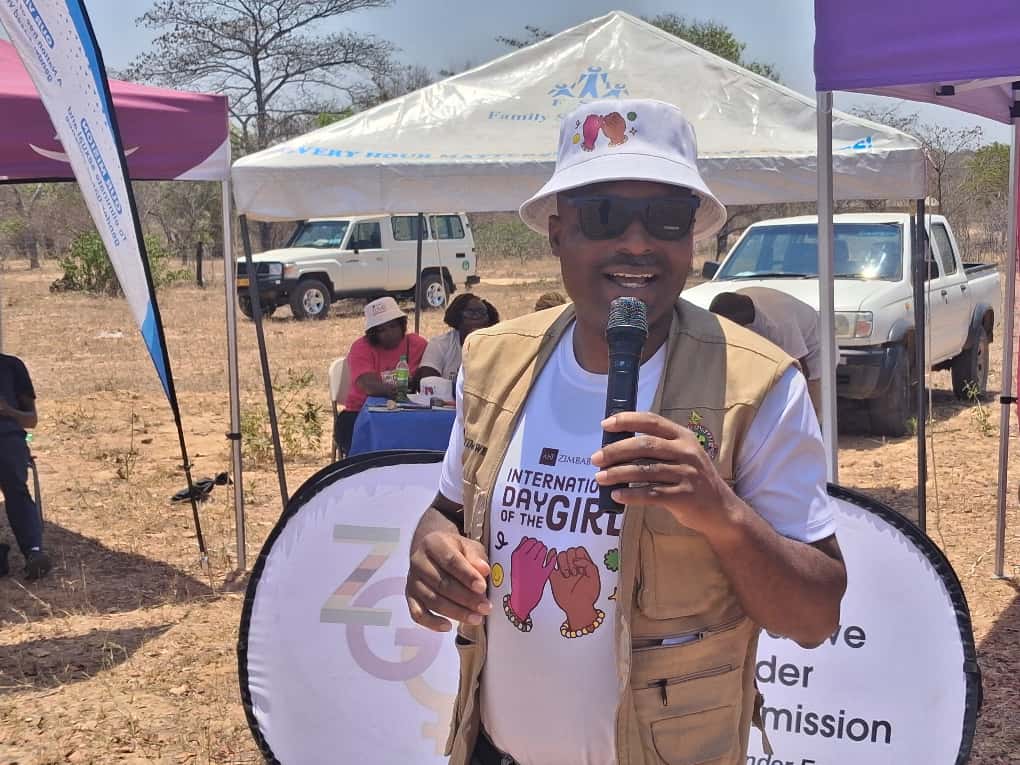
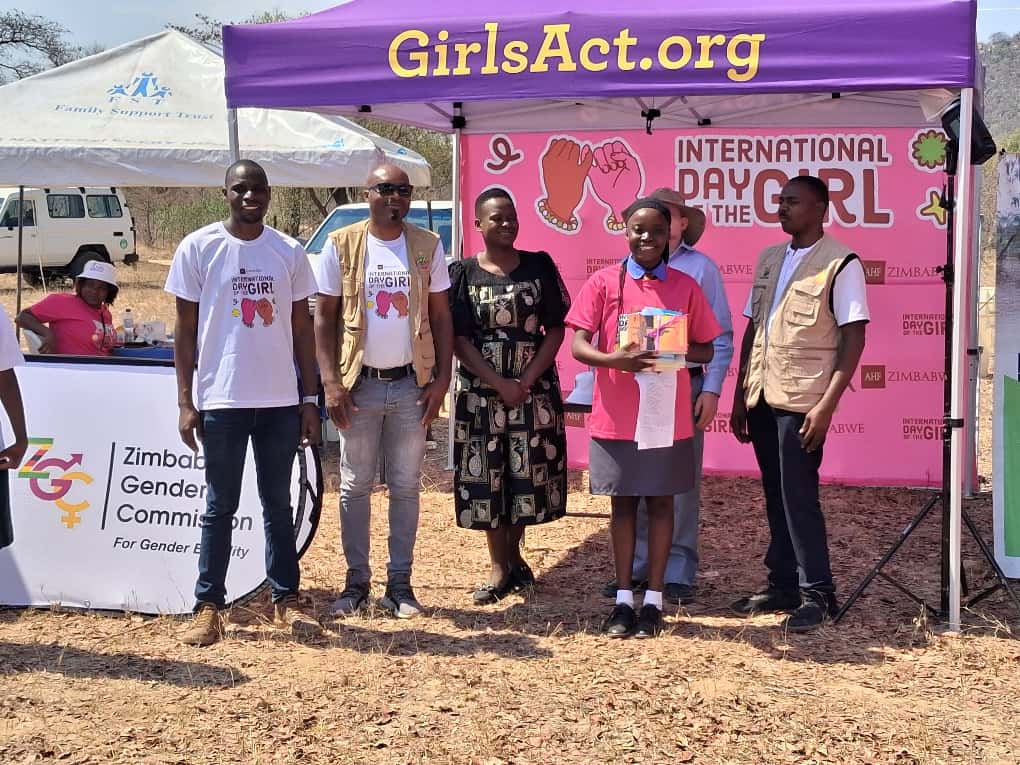
MAFARARIKWA — A renewed call to end early child marriages and promote girls’ empowerment echoed through Mafararikwa Village Bocha on Wednesday as government officials, community leaders, civil society organizations, and development partners gathered at the recently commissioned Mafararikwa Girls Hub to commemorate this year’s International Day of the Girl Child.
The event, coordinated by AIDS Healthcare Foundation (AHF) in partnership with the Ministry of Women Affairs, Community, Small and Medium Enterprise Development and various stakeholders, was held under the global theme “The Girl I Am, The Change I Lead: Girls on the Frontlines of Crisis.” It sought to highlight the critical role girls can play in shaping their communities when they are given opportunities to learn, lead, and thrive.
In his welcome remarks, AHF Programmes Manager Clever Taderera said empowering the girl child goes beyond protection, stressing the importance of equipping them with practical skills that can transform their futures.
“The girl child must not only be protected but also empowered to lead,” Taderera said, explaining how the Mafararikwa Girls Hub is already making an impact in the community.
“Spaces like this are nurturing girls with skills such as tailoring, detergent manufacturing, and baking. These are life-changing opportunities that build their confidence, self-reliance, and economic independence,” he said.
The Hub, established to offer a safe space for learning and mentorship, is also providing vocational training, and psychosocial support, all aimed at creating pathways for young girls to escape cycles of poverty and early marriages.
Guest of Honour the Ministry of Women Affairs, District Development Officer Mr. John Matandare, noted that the fight against early marriages cannot be won without addressing the economic realities that push many girls out of school. He said many families in rural communities face financial constraints that leave young girls vulnerable.
“A greater percentage of our girls are forced out of school not because they lack potential, but because their families cannot afford fees or basic needs,” Matandare said. “This vulnerability pushes them into early marriages, robbing them of their childhood and their dreams. We must work collectively to break this cycle and give every girl a fair chance to succeed.”
Matandare also spoke about the daily struggles rural girls face, balancing school with household responsibilities such as cooking, fetching water and firewood, and taking care of siblings.
“The rural girl child carries a heavy load,” he said. “She is expected to do chores at home and still excel in class. This is why community support systems are essential, so that girls can have the time and space to learn, grow, and lead.”
The event also featured an interactive dialogue session led by Matandare and Zimbabwe Gender Commission representative Tawanda Mufira. During the discussion, girls voiced the challenges they face — from limited resources to cultural expectations that encourage early marriage. They also proposed practical solutions, such as community mentorship programmes and greater support for girls’ education.
Importantly, boys were included in the dialogue to reflect on their role in supporting gender equality. This approach, organizers said, was crucial in building inclusive communities where both girls and boys can thrive.
The commemorations ended on a lively note with an art competition involving five schools from the area.
Mafararikwa High claimed first place, followed by Nharira High in second, Zvipiripiti High in third, Maponde Secondary in fourth, and St Noah High in fifth. All participating schools received set books as prizes to encourage reading and academic excellence.
Organizations that took part and were acknowledged for their continued support included, FACT Zimbabwe, Simukai Child Protection Program, Adult Rape Clinic, CARE, Population Service for Health, Zimbabwe Gender Commission, ZOE Empowers, Family Support Trust, Zimbabwe National Family Planning, Victim Friendly Unit, Musasa and Zimbabwe Health Interventions among others.
They pledged to continue investing in programmes that protect and empower the girl child in Mutare Rural District, with a focus on education, skills development, and dismantling harmful practices.
As the sun set on Mafararikwa, the message was clear: girls are not just beneficiaries of development — they are changemakers. In the words of one participant, “We are the generation that will lead change. We just need the right support to show what we can do.”



More Stories
Birthday, Power and Politics- Enter Munhumutapa Day
Chiweshe Case Raises Dust, Puts Judiciary Under Scrutiny
Zimbabwe’s Second Bid to Remove Vendors from Harare Streets Triggers Fresh Livelihoods, Law and Order Clash