





By Shingirai Vambe
As Zimbabwe marches toward its ambitious goal of attaining upper-middle-income status by the year 2030, several obstacles continue to impede meaningful progress. One such challenge is the persistent issue of land barons, poor urban planning, and the unregulated parceling out of large swathes of land that have remained unused or misused for decades.
Following a political and developmental shift in 2017, a new wave of optimism swept across the country. This change in leadership introduced a development-focused agenda that aimed to attract both local and international investors. The real estate sector, in particular, became a magnet for wealth as investors sought to channel their capital into land acquisition and property development. However, this influx of investment was met with a surge in unregulated land allocation by local authorities, many of whom, driven by self-interest and a short-term thirst for revenue, began to parcel out land indiscriminately and without any cohesive planning framework.
In contrast to this modern-day scramble, a retrospective glance at the Rhodesian era reveals a more structured and socially-conscious approach to urban development. During that time, the colonial government, despite its many injustices, did see the value in establishing social infrastructure that served the communities it governed.
Every town and province, from the high-density suburb of Mbare in Harare to the bustling centers of Mutare and Bulawayo, was equipped with communal sports and recreational facilities. Swimming baths, netball courts, football fields, tennis clubs, and golf courses were strategically positioned to serve as centers of youth development and social engagement.
These once-vibrant facilities were not mere amenities, they were the heartbeat of community life. Children learned teamwork on the pitch, youths honed their athletic skills, and families gathered to watch local games, fostering a spirit of unity. However, in recent years, the degradation of these facilities has been both alarming and disheartening. What used to be hubs for recreation and talent development have been converted into commercial enterprises, leased out as bars, nightclubs, food canteens, and other businesses. The original purpose of these venues has been lost, replaced by ventures that, ironically, contribute to the very social decay they were meant to prevent.
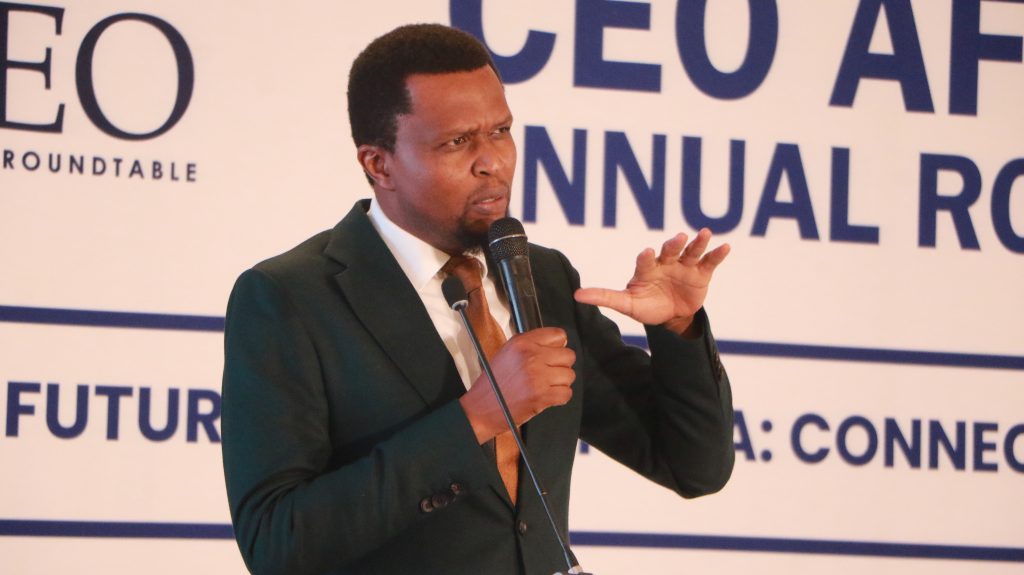
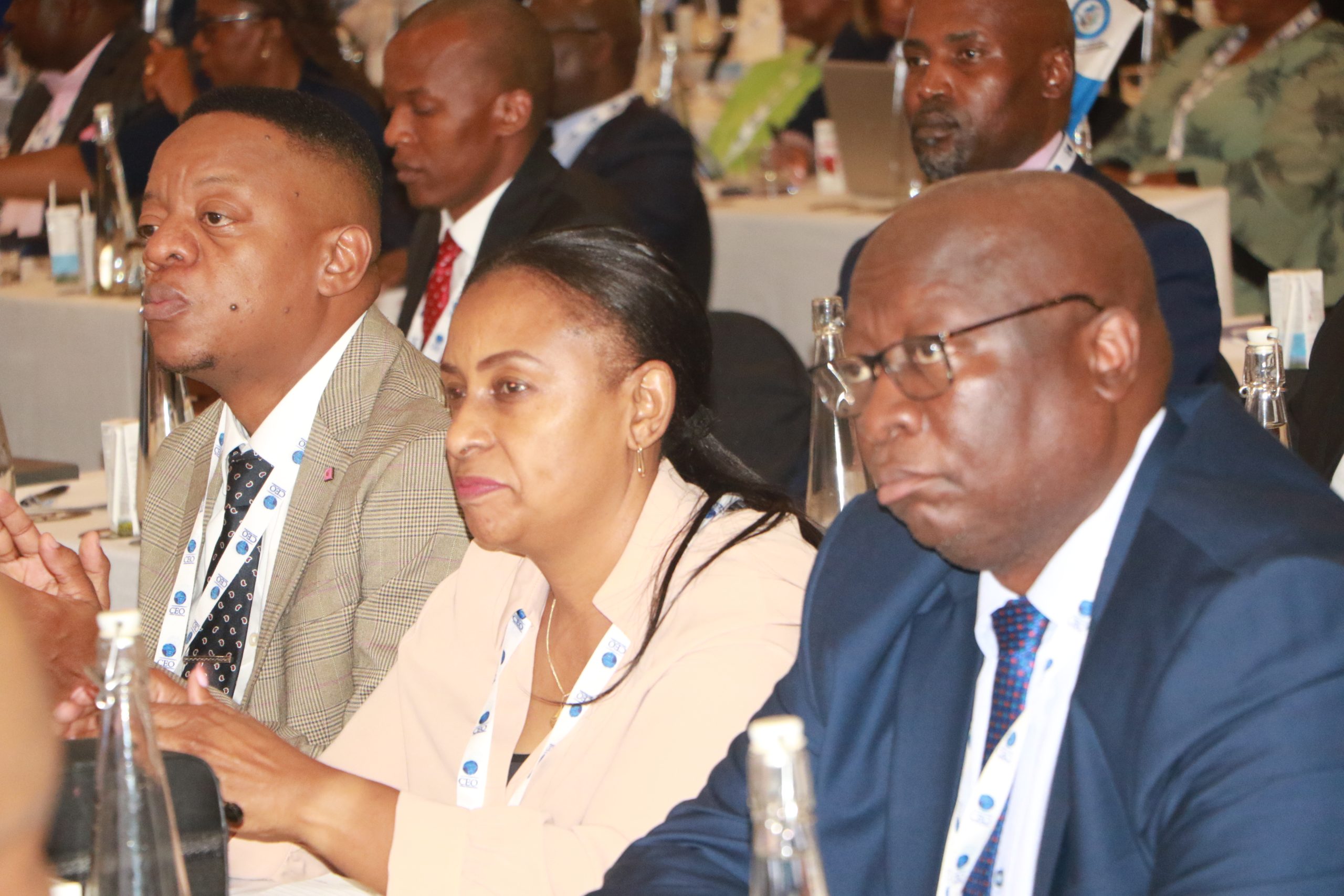
This issue took center stage at the 11th Edition of the CEO Africa RoundTable, where stakeholders from various sectors gathered to discuss the nation’s developmental challenges and opportunities. A particularly heated discussion unfolded when the topic of sports infrastructure and youth development arose, especially in the presence of Zimbabwe Football Association (ZIFA) President Nqobile Magwizi.
Magwizi found himself under intense scrutiny as the room turned its attention to the decline of football in Zimbabwe, a sport once brimming with local talent and fervent national pride. The ZIFA president faced a barrage of questions about his organization’s vision for the future of the sport. In his defense, Magwizi cited the near-total collapse of community facilities across the country. According to him, ZIFA has long recognized the detrimental impact this has had on identifying and nurturing young talent. Without access to fields, clubs, or training centers, grassroots football has withered. He went further to link the rise in youth drug abuse to this absence of structured extracurricular activity, suggesting that idle time and lack of mentorship were driving young people into dangerous habits.
One of the most passionate voices in the room belonged to Patience Munetsi-Patongamwoyo, Managing Director of Seeff Real Estate. Clearly frustrated, Munetsi challenged Magwizi directly, expressing disbelief over the leasing of iconic spaces such as Zimbabwe Grounds, once a sanctuary for aspiring athletes, now home to commercial enterprises.
“I can sponsor soccer. I am ready to invest in ensuring our youth are removed from the streets and from the bars,” she declared. “But tell me, is there any available facility where this can happen? Is there anywhere these young boys and girls can go to play football and be safe?”
Her pointed question underscored a larger issue, the disconnect between planning authorities, sports institutions, and community needs. In response, Magwizi admitted that ZIFA has repeatedly written to the Ministry of Local Government, urging them to intervene and restore these public spaces to their original purpose. However, he hinted of the thirst the local authorities have and corrupt tendencies as obstacles in their efforts to bring football back to life in Zimbabwe.
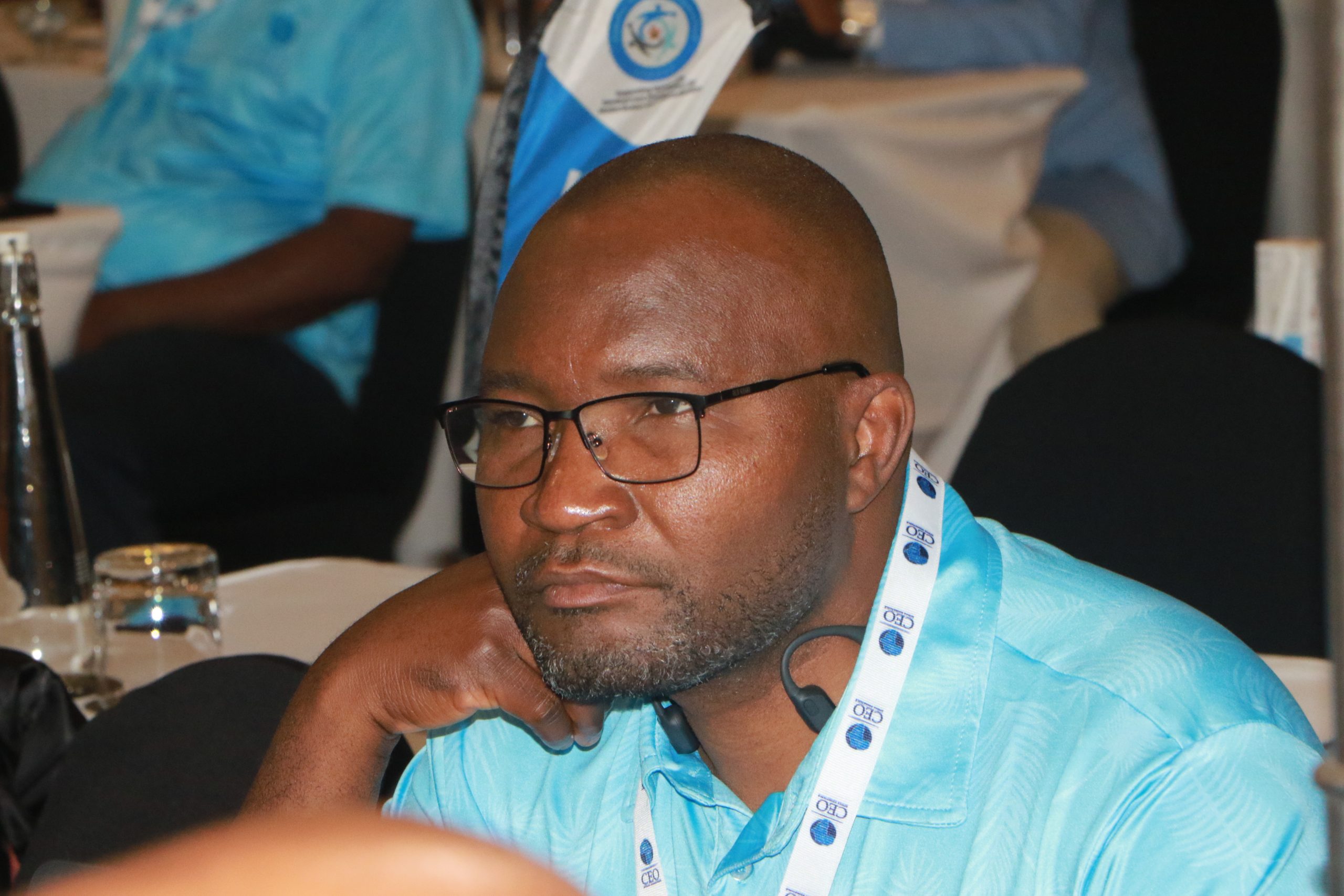
The discussion didn’t end there. David Madyausiku, CEO of NEC Agriculture and a prominent voice at the RoundTable, added another layer to the debate. Shifting the focus to the performance of the national team, Madyausiku questioned the wisdom of hiring foreign coaches to lead a team that continues to struggle on the international stage.
“Are foreign coaches really helping Zimbabwean soccer?” he asked, noting the consistent losses the national team suffers in nearly every match. His concern was not merely about performance but about communication and cultural dissonance. “Most of our players are not academically gifted, and language becomes a barrier. A coach who cannot communicate effectively with his team cannot lead them. Why aren’t we investing in developing local coaching talent who understand our players, their context, and their struggles?”
Madyausiku’s remarks received nods of agreement across the room, highlighting a growing sentiment that solutions to Zimbabwe’s sports decline must come from within. Talent exists, but it remains untapped due to systemic failure, of infrastructure, of leadership, and of vision.
In the broader context, these discussions reflect a deeper crisis facing Zimbabwe. The country’s dream of achieving Vision 2030 cannot be realized through economic policies and investment strategies alone. True development must be holistic. It must recognize that human capital, the youth in particular, is a nation’s most valuable resource. Without spaces to grow, play, train, and dream, this resource will continue to erode.



More Stories
Marital Feud Escalates Into Gun Drama in Rusape
AHF calls for African countries to unite against debt crisis
Pensioners Left Waiting As Billions Sit In Zimbabwe’s Pension Funds