




By Post Reporter
Bulawayo-The local authority is undertaking a feasibility study to assess the potential of using recycled water for industrial purposes.
This initiative draws direct inspiration from pioneering cities like Windhoek, Namibia, which has successfully and safely used purified recycled water for years through the implementation of advanced treatment technology.
City mayor David Coltart said this on Friday while addressing delegates attending the Matebeleland Water Indaba held in the second largest city.
The theme ran under the theme “Rethinking sustainable water strategies for Matabeleland”.
The indaba brought together a diverse group of participants, including representatives from academia, civic society, government, and the research community.
The platform sought to find solutions to the water challenges affecting not just the city of Bulawayo, but the region as a whole.
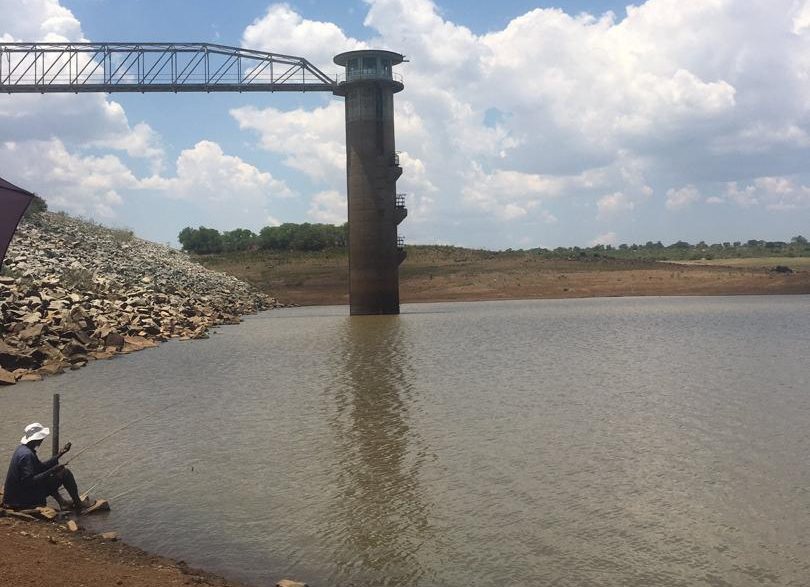
The city of Bulawayo and the wider region are grappling with a severe water crisis, driven by an El Niño-induced drought that has caused numerous water bodies to dry up.
“In rethinking sustainable water strategies, we must also consider water recycling. With the city increasingly affected by climate change, feasibility studies are underway to assess the potential use of recycled water for industrial purposes.
“We are drawing inspiration from cities such as Windhoek, Namibia, which have successfully used recycled water for years, and with advancements in technology, perhaps the time has come for Bulawayo to embrace the use of recycled water,” said Coltart.
The mayor said the city has faced persistent water shortages, adding that in reality without a tropical cyclone it is almost impossible for the city`s supply dams to fill up.
“The city has, for many years, faced persistent water shortages. It is our reality that without a Tropical cyclone, it is almost impossible for the city’s supply dams to fill up.
“As such, the city continues to pray for good rains that will replenish our dams in the 2026/2027 rainy season.
“The last time the city’s dams filled up was almost a decade ago, in 2017, when the country was hit by a cyclone,” said the mayor.
While the city continues to hope for improved inflows, Coltart said they require significant investment to overhaul its ageing water infrastructure and improve bulk water supply delivery.
“Much of our infrastructure has outlived its lifespan, resulting in frequent pipe bursts that cause the loss of the very water we are striving to preserve.
“Council has developed short, medium, and long-term strategies to address these challenges,” he said.
The mayor pointed out that in the short term, the city requires approximately US$14.5 million to tackle infrastructure-related problems which includes renewing water mains across the city.
“We also need to rehabilitate water pumps, replacing over 1,000 non-functional meters, and repairing existing infrastructure, all aimed at reducing non-revenue water, which currently stands at 46 percent.
“The city’s medium-term measures include the privately sector-led construction of the Glass block Bopoma dam, while the long-term and the most anticipated solution to Bulawayo’s water crisis remains the construction of the Gwayi – Shangani dam by the central government.
“The common thread among these initiatives is the need for substantial funding. This presents both a challenge and an opportunity as we rethink sustainable water strategies that will benefit Bulawayo,” said Coltart.
The mayor also implored delegates to examine the government`s directive encouraging local authorities to partner with the private sector in water provision, a model already in place in the city of Harare.
“As we reflect on sustainable water strategies for Bulawayo, it is also important to examine the government’s directive encouraging local authorities to partner with the private sector in water provision, a model already in place in the city Harare.
“However, the city of Bulawayo, rather than following this route, has proposed establishing a 100 percent council-owned water and sanitation utility.
“While it may be premature to share more details, the proposal seeks to unlock financial resources for infrastructure renewal, as the municipality is often viewed as a financial risk and struggles to attract the necessary funding for water and sanitation improvements,” said Coltart.


More Stories
Youth Take Lead in Fight Against Gender-Based Violence
Zimbabwe’s Second Bid to Remove Vendors from Harare Streets Triggers Fresh Livelihoods, Law and Order Clash
Zimbabwe’s Long Shadow of Political Fear