






Solar, hydro and thermal initiatives expected to ease electricity shortages and create jobs.
By Shingirai Vambe
Zimbabwe is positioning itself to significantly transform its energy sector with projects worth an estimated US$4 billion currently in the pipeline, a development expected to ease persistent electricity shortages and reduce pressure on the national grid.
For years, Zimbabwe has struggled with power deficits driven by ageing infrastructure, growing demand from industry and households, and limited investment in new generation capacity. The situation has frequently resulted in prolonged power outages that have affected industrial productivity, small businesses and ordinary households.
However, the country is now witnessing a surge in energy investments across various technologies, particularly in renewable energy, as government agencies and private investors increasingly move to close the power supply gap.
According to the Zimbabwe Energy Regulatory Authority (ZERA), dozens of projects have already been approved and are at different stages of development. These include 43 solar power projects, four mini-hydropower initiatives, six thermal projects based on coal-fired generation, and an innovative waste-to-energy initiative under the Geo-Pomona project which is projected to generate about 1,800 kilowatts of electricity from municipal waste.
The projects form part of a broader national strategy aimed at diversifying Zimbabwe’s energy mix while strengthening electricity generation capacity.
ZERA chief executive officer Eddington Mazambani, told the Post on Sunday that the growing pipeline of projects reflects increasing investor confidence in Zimbabwe’s energy sector, which has been supported by regulatory reforms designed to create an enabling environment for both local and international companies.
“The opportunities in Zimbabwe’s energy sector continue to grow, and we are seeing increased interest from both domestic and international investors,” Mazambani said.
He explained that government policy frameworks, implemented through ZERA, have been designed to attract private sector participation while ensuring that projects meet national energy priorities.
Mazambani noted that the expansion of the energy sector is also closely linked to Zimbabwe’s broader economic ambitions, particularly the government’s plans to introduce a national Artificial Intelligence (AI) strategy.
“As the Government of Zimbabwe moves towards launching its AI strategy, the need for sufficient and even excess energy cannot be overemphasised,” he said.
Artificial intelligence technologies, data centres and other digital infrastructure require significant and reliable electricity supply. As a result, strengthening power generation capacity has become a critical component of Zimbabwe’s long-term technological and industrial development plans.
Beyond addressing electricity shortages, the expansion of the energy sector is also expected to generate employment opportunities across the country.
Mazambani said new projects have already begun creating jobs in construction, engineering, installation and maintenance, while also opening doors for young professionals seeking careers in the rapidly growing renewable energy industry.
Recognising the need to develop local technical skills, ZERA has also initiated training programmes aimed at equipping individuals and companies with the expertise required to install and maintain solar power systems.
The training initiative has attracted significant interest, particularly from young people eager to participate in the renewable energy sector.
“More youths are now taking advantage of these training programmes, which will help build a local skills base that supports the continued growth of the industry,” Mazambani said.
The regulatory authority has so far licensed more than 90 energy projects with a combined investment value estimated at around US$11 billion, highlighting the scale of interest in Zimbabwe’s energy market.
These investments are expected to play a major role in helping the country achieve its long-term electricity generation targets.
Zimbabwe has set an ambitious goal of increasing its installed power generation capacity by approximately 1,400 megawatts by the year 2030. A significant portion of this expansion is expected to come from renewable energy sources, in line with global trends toward cleaner and more sustainable power generation.
Currently, renewable energy contributes about 7.9 percent of Zimbabwe’s electricity capacity. The government aims to increase this share to more than 20 percent by 2030, with solar energy expected to play a central role in achieving that target.
ZERA officials say regulatory reforms have also been introduced to make the sector more attractive to investors.
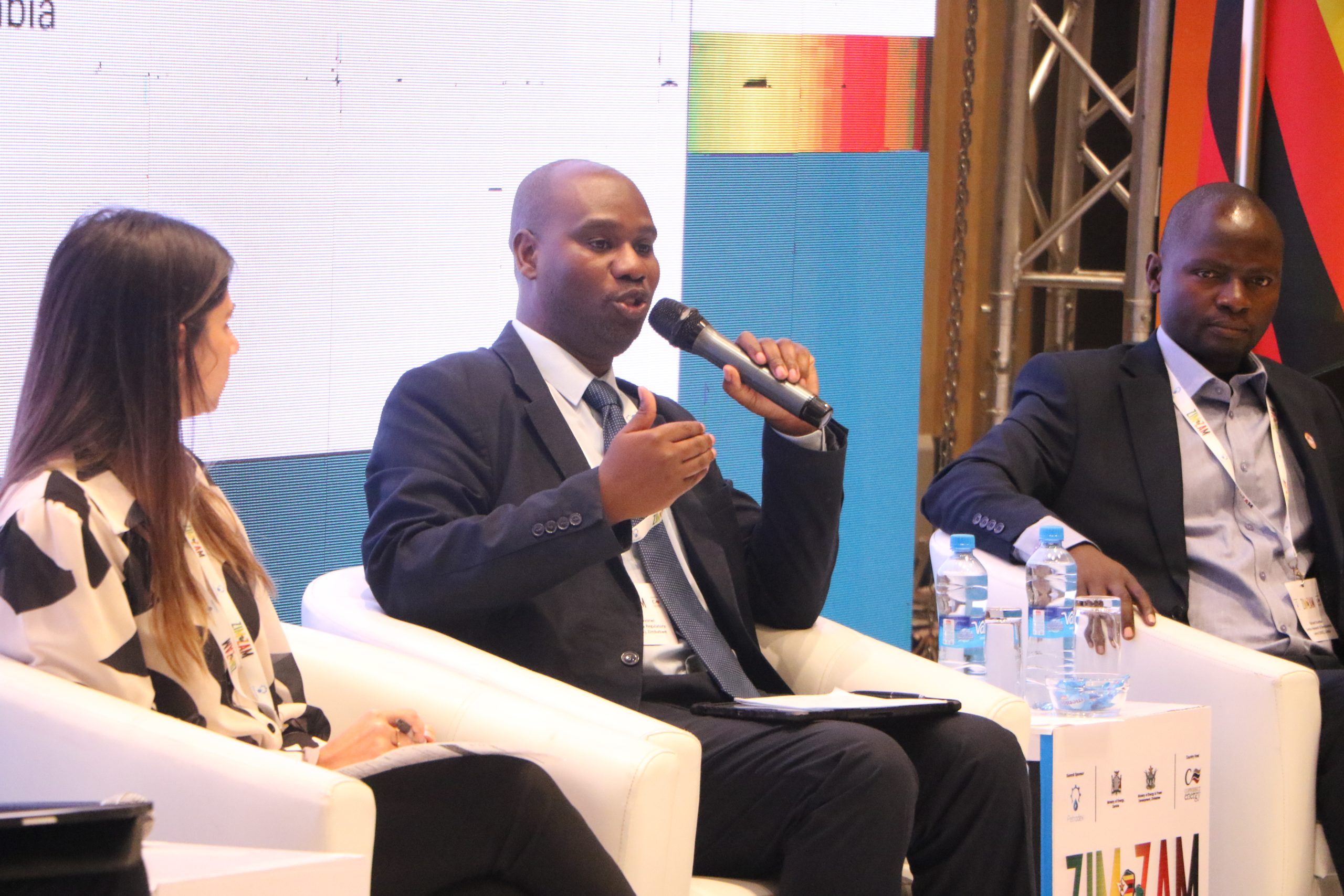
During the recent Zimbabwe-Zambia Energy Summit, ZERA Technical Services Director, Engineer Man’arai Ndovorwi, told delegates that the authority had reviewed and strengthened its regulatory frameworks to encourage greater investment in power generation projects.
He said the reforms were designed to streamline licensing procedures, improve investor confidence and accelerate the implementation of new projects.
The summit, which brought together policymakers, investors and energy sector experts from across the region, highlighted the importance of cross-border cooperation in addressing Southern Africa’s growing energy demand.
The momentum building around new energy investments signals a critical shift toward a more diversified and resilient power sector.




More Stories
Retrenchment Axe Hangs Over TelOne
Marital Feud Escalates Into Gun Drama in Rusape
Zimbabwe’s Export Engine Fires Up