



From electoral setbacks to constitutional disputes, pressure mounts for action…
By Staff Reporter
Zimbabwe’s political landscape has long been shaped not only by power struggles, but also by a deeply entrenched culture of loyalty, personality politics and, as some critics argue, a tendency toward hero worship. Over the years, citizens have often rallied behind charismatic figures, investing immense hope, faith and electoral support in individuals perceived as capable of dislodging the ruling establishment.
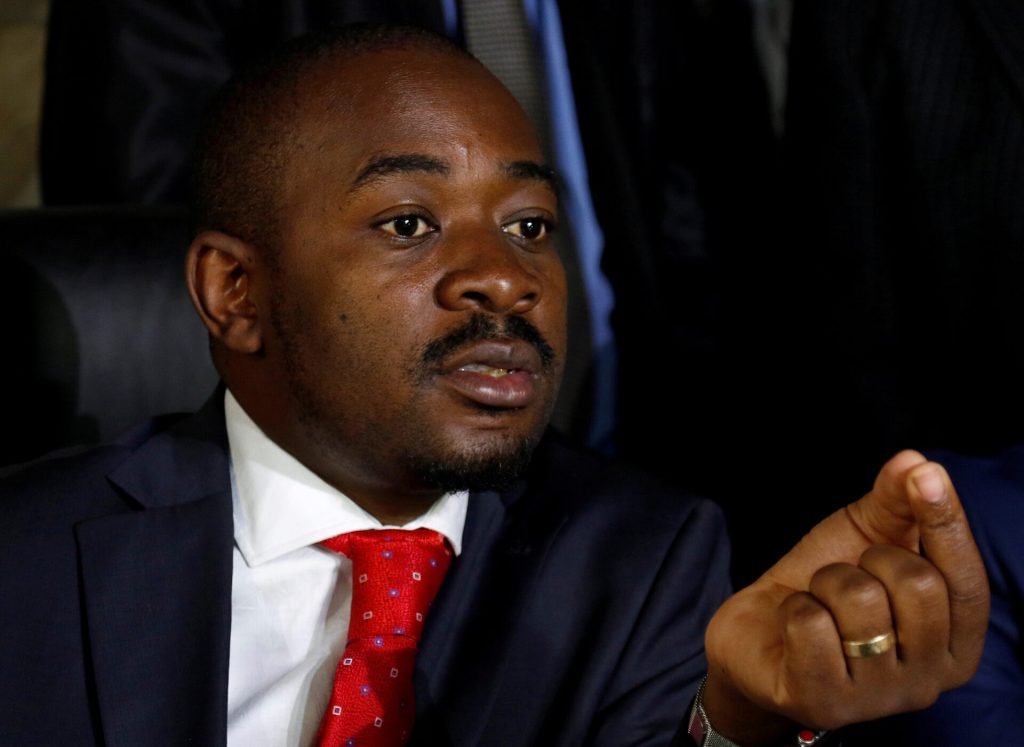
Few embody this phenomenon more than Nelson Chamisa, whose meteoric rise to prominence redefined opposition politics in the post-Morgan Tsvangirai era. Emerging as the face of a new generation, Chamisa captured the imagination of many Zimbabweans, particularly the youth, who viewed him as a credible alternative to ZANU-PF’s decades-long rule.
In both the 2018 and 2023 elections, millions of Zimbabweans placed their trust in Chamisa, believing he could usher in a new political dispensation. That trust, however, has increasingly come under strain. For some, faith remains intact, sustained by the enduring desire for change. For others, disillusionment has begun to set in, driven by what they perceive as missed opportunities for decisive leadership at critical moments.
The recent debates around Constitution Amendment Bill No. 3 have once again brought these tensions to the fore. As citizens grapple with the implications of proposed constitutional changes, expectations were high that Chamisa would take a leading role in mobilizing resistance and providing strategic direction. Yet, according to critics, that leadership signal has been absent, echoing similar sentiments that emerged in the aftermath of both the 2018 and 2023 electoral cycles.
This growing vacuum has reignited calls for new leadership within the opposition ranks. These calls are rooted in broader frustrations over alleged corruption, misgovernance and what some describe as an emerging political dynasty within the ruling establishment. The late Blessed Runesu Geza once articulated a vision of a “new Zimbabwe,” a vision that many feel remains unfulfilled.
Despite these concerns, voices within the opposition insist that the movement is far from fragmented. In an interview with The Post On Sunday, Jacob Ngarivhume offered a contrasting perspective, arguing that what appears as disunity is, in fact, a period of reorganization and renewal.
“The opposition is not destroyed,” Ngarivhume said. “It is not fragmented. It is regrouping around a shared objective, to end repression and restore democratic governance.”
He further argued that citizens are increasingly left with little choice but to explore alternative means of asserting their constitutional rights, particularly in the face of legislative changes perceived to undermine democratic principles.
Zimbabwe’s opposition history is marked by cycles of resilience and reinvention. From early post-independence movements to the rise of the Movement for Democratic Change (MDC), opposition leaders have consistently challenged the status quo, often at great personal and political cost. Yet, even within this history, Morgan Tsvangirai stands out as a figure of exceptional endurance and influence.
In 2008, Tsvangirai exposed deep fractures within the ruling system, confronting allegations of electoral manipulation and institutional capture. Despite widespread support, he was never officially declared the outright winner, a moment that remains etched in Zimbabwe’s political memory as a symbol of both hope and frustration.
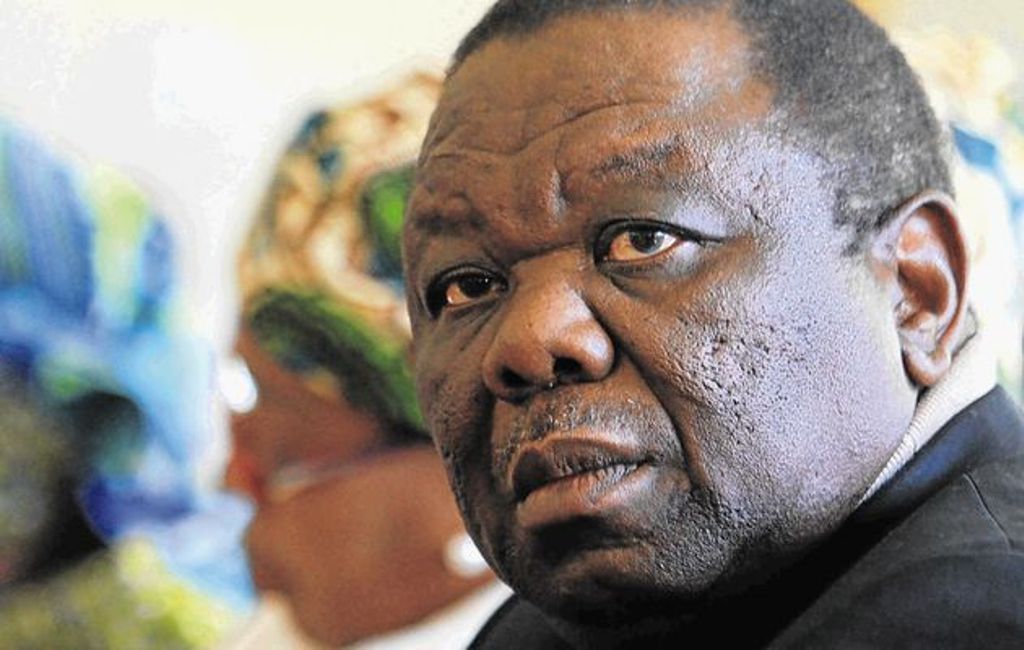
Today, the legacy of the MDC appears to be fading. The emergence of the Citizens Coalition for Change (CCC), once led by Nelson Chamisa, initially signalled a new chapter. However, internal disputes and allegations of infiltration have weakened the movement, with Chamisa eventually stepping down amid claims that the party had been compromised by external forces.
To some observers, the CCC now stands as a shadow of its former self, a “white elephant” in political terms, raising urgent questions about the future of opposition politics in Zimbabwe.
Yet, for Ngarivhume and others, this moment represents not an end, but a beginning.
“A new leader will emerge,” he asserted. “And when that happens, it will not be about individuals, but about a united force capable of bringing real change.”
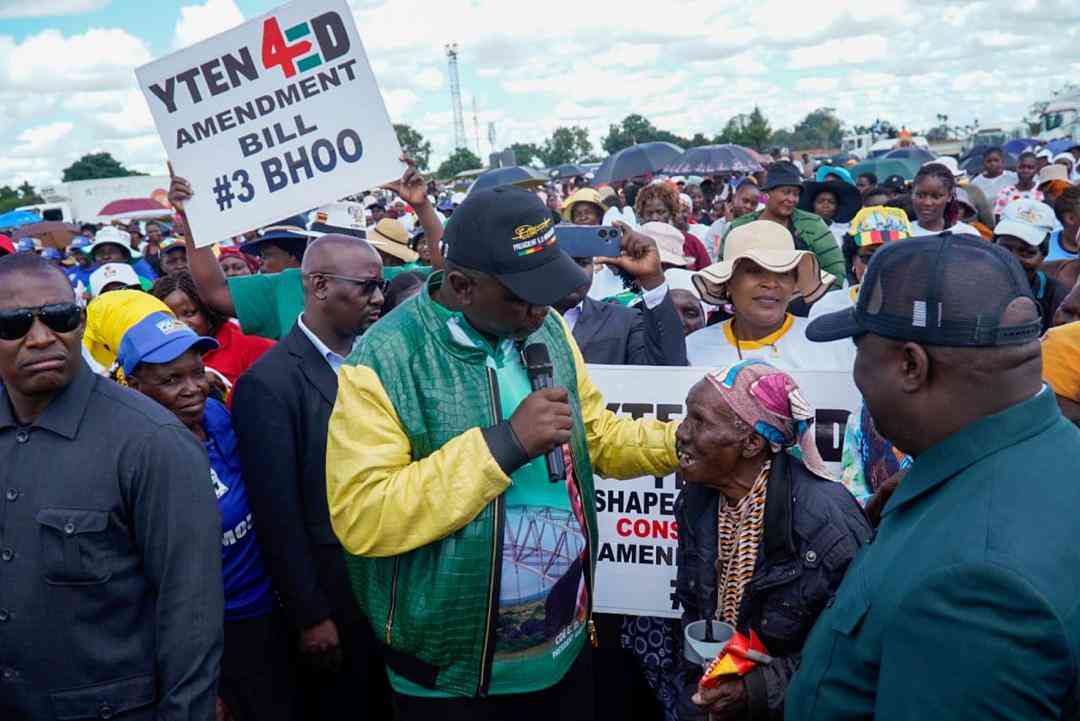
Meanwhile, tensions around Constitution Amendment Bill No. 3 continue to escalate. The Zimbabwe Solidarity Movement (ZSM) has strongly condemned the ongoing public consultations, describing them as a “choreographed sham” designed to legitimise what it terms a constitutional coup.
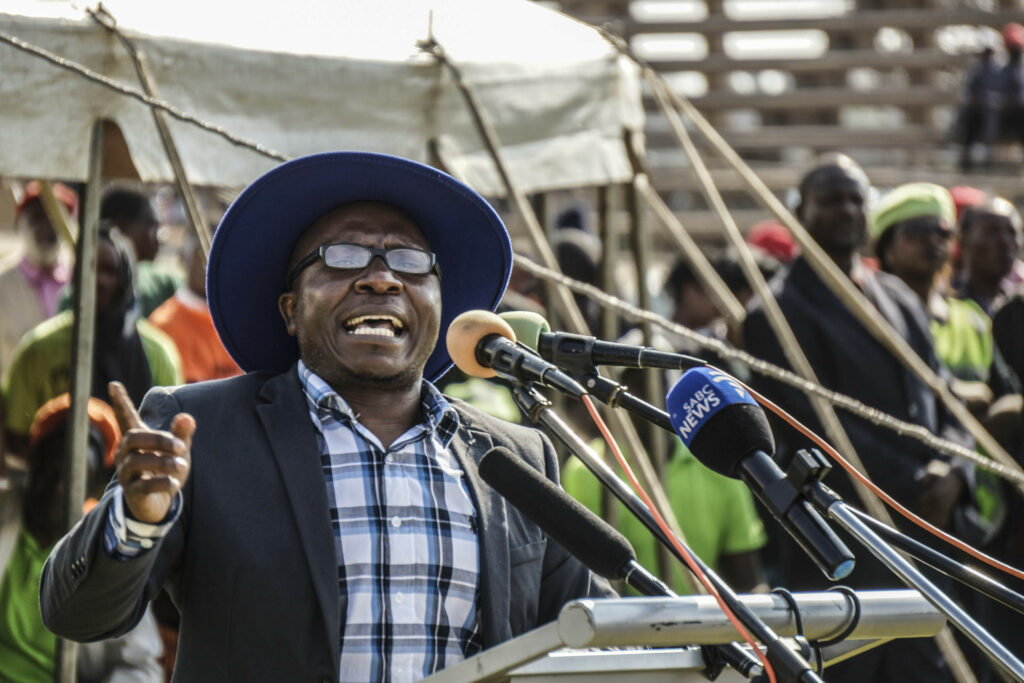
In a strongly worded statement, the organisation alleges that the consultation process has been marred by intimidation, violence and systematic exclusion of dissenting voices. According to ZSM, these actions undermine key constitutional provisions, including citizens’ rights to participate in governance, freedom of assembly and freedom of expression.
Reports from various parts of the country, including Bulawayo, Hwedza, Dema and Harare, suggest a deeply polarised environment, with accusations of state-sponsored interference, media restrictions and the bussing in of partisan crowds to influence proceedings.
ZSM further claims that its members and legal representatives were subjected to harassment and physical attacks during the consultations, raising serious concerns about the integrity and inclusiveness of the process.
At the heart of the dispute lies a fundamental question, who owns the Constitution?
For ZSM and other civic actors, the answer is clear, the Constitution belongs to the people, not to those in power. Any attempt to alter it without genuine public participation, they argue, represents a direct assault on democracy and the rule of law.
As Zimbabwe navigates this complex and uncertain political moment, the intersection of leadership, citizen agency and constitutional integrity remains critical. The search for credible opposition leadership continues, even as citizens weigh their options in a system many feel is increasingly constrained.
Whether this period will give rise to a renewed, unified opposition, or deepen existing fractures, remains to be seen. What is certain, however, is that the demand for accountability, representation and genuine democratic processes is far from extinguished.


More Stories
Birthday, Power and Politics- Enter Munhumutapa Day
Chiweshe Case Raises Dust, Puts Judiciary Under Scrutiny
Zimbabwe’s Second Bid to Remove Vendors from Harare Streets Triggers Fresh Livelihoods, Law and Order Clash