





By Shingirai Vambe
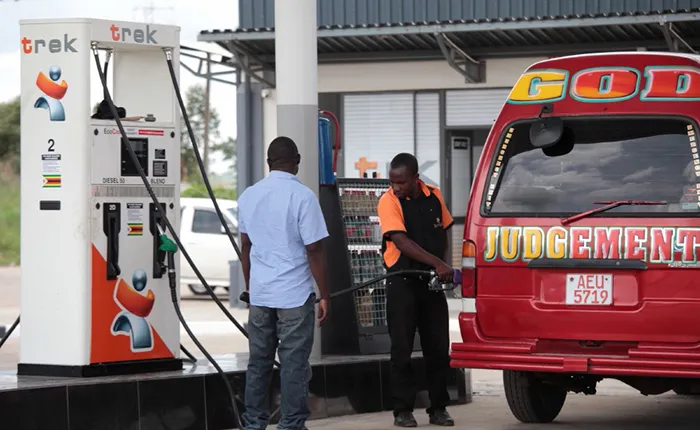
Zimbabwe has recorded a modest decline in fuel prices following weeks of upward pressure triggered by the Middle East crisis, offering temporary relief to consumers and businesses that had been grappling with rising transport and production costs.
The latest price review by the Zimbabwe Energy Regulatory Authority (ZERA), effective April 17, saw blended petrol (E20) drop to US$2.08 per litre from US$2.23, while diesel was reduced to US$2.09 per litre from US$2.11. In local currency terms, the adjustments translate to ZiG 52.37 per litre for petrol and ZiG 52.63 for diesel, reflecting a corresponding easing in domestic pricing structures.

The reduction comes after a period of volatility on the global energy market, where geopolitical tensions in the Middle East disrupted supply chains and drove up fuel prices internationally. Zimbabwe, heavily reliant on imported fuel, felt the immediate impact, with local prices rising sharply in recent weeks and cascading into higher costs of goods and services across the economy.
While the latest adjustments have been welcomed, they have also reignited debate among citizens over the structural drivers of fuel pricing in Zimbabwe. Many have pointed to the country’s high tax regime and associated levies as key factors that continue to push pump prices above regional averages, even when global prices begin to stabilise.
In its statement, ZERA indicated that government had, in recent months, prioritized the security of fuel supplies through market-sensitive pricing mechanisms, while also implementing tax reductions aimed at cushioning consumers and supporting economic stability. The regulator further noted that the shift from lower ethanol blending levels (E5) to E20 has played a role in bringing down the cost of blended petrol.
Authorities also sought to reassure the public on fuel availability, confirming that Zimbabwe currently holds adequate stocks. ZERA emphasized that supplies are sufficient to cover more than three months, urging citizens to avoid panic buying or hoarding, which can destabilize supply chains and create artificial shortages.
The regulator added that it will continue to monitor both global and domestic developments closely, with fuel prices subject to review within the standard two-week cycle.
Despite the current relief, analysts caution that the situation remains fragile. Zimbabwe’s exposure to global oil price movements, combined with domestic fiscal pressures, means that fuel costs are likely to remain a sensitive economic indicator, one that continues to influence inflation, transport costs, and the broader cost of living for ordinary citizens.



More Stories
Retrenchment Axe Hangs Over TelOne
Marital Feud Escalates Into Gun Drama in Rusape
Zimbabwe’s Export Engine Fires Up